Compare commits
184 Commits
91b868572e
...
v2.3.3
| Author | SHA1 | Date | |
|---|---|---|---|
| c25d4dc7e5 | |||
| 550a005ca6 | |||
| 8673736120 | |||
| 8f1aeadeee | |||
| 7e570e2814 | |||
| 1e73a3159f | |||
| cf19194e7a | |||
| 8a43e7cd65 | |||
| 370120345e | |||
| 134b679a75 | |||
| 788aec0dab | |||
| a08da3b983 | |||
| 62a61ecad4 | |||
| 2e6436cc4e | |||
| 7c50cc00fa | |||
| 8f5d56af7f | |||
| 424c243ffc | |||
| 78f858831f | |||
| d3e031e8b5 | |||
| 4792e4f91d | |||
| e1801a9255 | |||
| f0d9e39bb1 | |||
| eb94a17f26 | |||
| ea5c2c15d6 | |||
| ff7170934e | |||
| 1c1762f6b1 | |||
| ee8c075213 | |||
| 958e9f7f75 | |||
| 8fda06e232 | |||
| fb2ffd58ee | |||
| 3f183a5489 | |||
| b044fe1702 | |||
| 32f06ce754 | |||
| a59bfce0bf | |||
| 18c90a5f9c | |||
| b76e271fa7 | |||
| df987e33b2 | |||
| 00e25e1b51 | |||
| 5a03401424 | |||
| 3ac9157fbf | |||
| c1c88032de | |||
| bae3ce7028 | |||
| 744f5d5711 | |||
| 8fa40c802e | |||
| a6262bea4f | |||
| 8627c4c405 | |||
| e41aec37b0 | |||
| d7533c5504 | |||
| 45d02440f6 | |||
| 769e057a81 | |||
| 08f3e04600 | |||
| 3e7aeeedbf | |||
| 26f7cf2a37 | |||
| 58d3a75976 | |||
| 458be05547 | |||
| 6f1eee21b9 | |||
| 9513a6c57e | |||
| 337e6ed6cc | |||
| 2e5f52d836 | |||
| 3ece7f9ec5 | |||
| 9bb4696eb9 | |||
| b9b7aeb8f9 | |||
| 9f17ffdeb3 | |||
| 10e9abece9 | |||
| abe48d5995 | |||
| e7b1af237a | |||
| d58d990205 | |||
| 980f7c1e8e | |||
| 67b1c2cb4d | |||
| 69616fddb5 | |||
| 3fa7324569 | |||
| ec9572175f | |||
| 7dc8a88b8f | |||
| 8df2638905 | |||
| 3da900b102 | |||
| e11cabb9e2 | |||
| c4eaeefb13 | |||
| b8bb1b144f | |||
| 856415c8c4 | |||
| 64138c1017 | |||
| 50a2038ef9 | |||
| cbb5d54250 | |||
| ca99857b5b | |||
| dfed098ffb | |||
| d9b08cf13a | |||
| bbe82d329b | |||
| c87e1e68a9 | |||
| 7adb049b37 | |||
| 6aebb28f37 | |||
| cbdee55148 | |||
| 3cca4373d3 | |||
| 90785d2506 | |||
| fbeea9f424 | |||
| 5f263fa71d | |||
| a32582f1ec | |||
| 09a205a288 | |||
| cdb5040b9d | |||
| ded9b40922 | |||
| 1144fc3626 | |||
| ea994bcc2f | |||
| 74d5bbddaa | |||
| 8ec0914bb5 | |||
| 6d1bc066bd | |||
| 975078307f | |||
| 74d3066871 | |||
| 53c6da4a37 | |||
| 3e666689c5 | |||
| ef124cf309 | |||
| 09d2ef9891 | |||
| 8e609b2e3b | |||
| 09560a001c | |||
| 7b00dc0303 | |||
| 5380ea6bc5 | |||
| 1a20e85af4 | |||
| 94fdd77712 | |||
| 2d0b579425 | |||
| a0042b91cc | |||
| 3ac9c1afce | |||
| ce65a30699 | |||
| def2d16734 | |||
| 9708f4e7ff | |||
| 452ef4c91d | |||
| 860c35992b | |||
| b1c3e0d2af | |||
| 54cee20883 | |||
| 754671e695 | |||
| 7d62b3a339 | |||
| 845af2c93c | |||
| a2b04828f4 | |||
| 361b9250c8 | |||
| c5c1996865 | |||
| 26a696ff57 | |||
| 9321ab223a | |||
| 8c293a6b7f | |||
| a3599d2d3d | |||
| 7ab81eaf29 | |||
| 4f1a596e46 | |||
| b07baa4669 | |||
| cf357560b2 | |||
| 3d52c45f5c | |||
| 3276027044 | |||
| 8041595976 | |||
| fa53c1b01a | |||
| 20b362160e | |||
| 5cabbfc487 | |||
| 9f5e001c70 | |||
| 112c3afc76 | |||
| f4215384fe | |||
| 7796cee51a | |||
| f83154c062 | |||
| 9e73f7f97d | |||
| 742ca02573 | |||
| d77757853d | |||
| ca7ae7418e | |||
| f880bb7d74 | |||
| 9784b5517a | |||
| 88041eba23 | |||
| 698721ae03 | |||
| c7109a46cd | |||
| bb20522172 | |||
| bebc016f3c | |||
| 56c1a1d7f3 | |||
| 50d2a5d1c7 | |||
| 83103ddfea | |||
| f4f7bb52b3 | |||
| b861f33867 | |||
| 2576d62002 | |||
| 02312e1342 | |||
| 83a34d61bf | |||
| 8076d8a765 | |||
| 901757b9b2 | |||
| f5ba15a4af | |||
| 6eda55cdae | |||
| 18c36ad3fb | |||
| a5adf1ba01 | |||
| d5ab7cbe2a | |||
| adad58ccfa | |||
| 33b7c6082e | |||
| 5fd1ffa865 | |||
| 9f93de1d06 | |||
| c3fd348a61 | |||
| ddb70c8c85 | |||
| 95d6396dfa | |||
| 99b61c4b2d |

22
.clang-format
Normal file
@@ -0,0 +1,22 @@
|
||||
BasedOnStyle: Google
|
||||
IndentWidth: 4
|
||||
NamespaceIndentation: All
|
||||
IndentAccessModifiers: false
|
||||
ColumnLimit: 0 # Sin limite de longitud de linea
|
||||
BreakBeforeBraces: Attach # Llaves en la misma linea
|
||||
AllowShortIfStatementsOnASingleLine: true
|
||||
AllowShortBlocksOnASingleLine: true
|
||||
AllowShortFunctionsOnASingleLine: All
|
||||
AlignOperands: DontAlign
|
||||
AlignAfterOpenBracket: DontAlign
|
||||
BinPackArguments: false
|
||||
BinPackParameters: false
|
||||
ContinuationIndentWidth: 4
|
||||
ConstructorInitializerIndentWidth: 4
|
||||
IndentWrappedFunctionNames: false
|
||||
Cpp11BracedListStyle: true
|
||||
BreakConstructorInitializers: BeforeColon
|
||||
AllowAllConstructorInitializersOnNextLine: false
|
||||
PackConstructorInitializers: Never
|
||||
AllowAllArgumentsOnNextLine: false
|
||||
AllowAllParametersOfDeclarationOnNextLine: false
|
||||
84
.clang-tidy
Normal file
@@ -0,0 +1,84 @@
|
||||
Checks:
|
||||
- readability-*
|
||||
- modernize-*
|
||||
- performance-*
|
||||
- bugprone-unchecked-optional-access
|
||||
- bugprone-sizeof-expression
|
||||
- bugprone-suspicious-missing-comma
|
||||
- bugprone-suspicious-index
|
||||
- bugprone-undefined-memory-manipulation
|
||||
- bugprone-use-after-move
|
||||
- bugprone-out-of-bound-access
|
||||
- -readability-identifier-length
|
||||
- -readability-magic-numbers
|
||||
- -bugprone-narrowing-conversions
|
||||
- -performance-enum-size
|
||||
- -performance-inefficient-string-concatenation
|
||||
- -bugprone-integer-division
|
||||
- -bugprone-easily-swappable-parameters
|
||||
- -modernize-avoid-c-arrays,-warnings-as-errors
|
||||
|
||||
WarningsAsErrors: '*'
|
||||
# Excluye jail_audio.hpp, stb_image.h y stb_vorbis.c del analisis
|
||||
HeaderFilterRegex: 'source/(?!jail_audio\.hpp|stb_image\.h|stb_vorbis\.c).*'
|
||||
FormatStyle: file
|
||||
|
||||
CheckOptions:
|
||||
# Variables locales en snake_case
|
||||
- { key: readability-identifier-naming.VariableCase, value: lower_case }
|
||||
|
||||
# Miembros privados en snake_case con sufijo _
|
||||
- { key: readability-identifier-naming.PrivateMemberCase, value: lower_case }
|
||||
- { key: readability-identifier-naming.PrivateMemberSuffix, value: _ }
|
||||
|
||||
# Miembros protegidos en snake_case con sufijo _
|
||||
- { key: readability-identifier-naming.ProtectedMemberCase, value: lower_case }
|
||||
- { key: readability-identifier-naming.ProtectedMemberSuffix, value: _ }
|
||||
|
||||
# Miembros publicos en snake_case (sin sufijo)
|
||||
- { key: readability-identifier-naming.PublicMemberCase, value: lower_case }
|
||||
|
||||
# Namespaces en CamelCase
|
||||
- { key: readability-identifier-naming.NamespaceCase, value: CamelCase }
|
||||
|
||||
# Variables estaticas privadas como miembros privados
|
||||
- { key: readability-identifier-naming.StaticVariableCase, value: lower_case }
|
||||
- { key: readability-identifier-naming.StaticVariableSuffix, value: _ }
|
||||
|
||||
# Constantes estaticas sin sufijo
|
||||
- { key: readability-identifier-naming.StaticConstantCase, value: UPPER_CASE }
|
||||
|
||||
# Constantes globales en UPPER_CASE
|
||||
- { key: readability-identifier-naming.GlobalConstantCase, value: UPPER_CASE }
|
||||
|
||||
# Variables constexpr globales en UPPER_CASE
|
||||
- { key: readability-identifier-naming.ConstexprVariableCase, value: UPPER_CASE }
|
||||
|
||||
# Constantes locales en UPPER_CASE
|
||||
- { key: readability-identifier-naming.LocalConstantCase, value: UPPER_CASE }
|
||||
|
||||
# Constexpr miembros en UPPER_CASE (sin sufijo)
|
||||
- { key: readability-identifier-naming.ConstexprMemberCase, value: UPPER_CASE }
|
||||
|
||||
# Constexpr miembros privados/protegidos con sufijo _
|
||||
- { key: readability-identifier-naming.ConstexprMethodCase, value: UPPER_CASE }
|
||||
|
||||
# Clases, structs y enums en CamelCase
|
||||
- { key: readability-identifier-naming.ClassCase, value: CamelCase }
|
||||
- { key: readability-identifier-naming.StructCase, value: CamelCase }
|
||||
- { key: readability-identifier-naming.EnumCase, value: CamelCase }
|
||||
|
||||
# Valores de enums en UPPER_CASE
|
||||
- { key: readability-identifier-naming.EnumConstantCase, value: UPPER_CASE }
|
||||
|
||||
# Metodos en camelBack (sin sufijos)
|
||||
- { key: readability-identifier-naming.MethodCase, value: camelBack }
|
||||
- { key: readability-identifier-naming.PrivateMethodCase, value: camelBack }
|
||||
- { key: readability-identifier-naming.ProtectedMethodCase, value: camelBack }
|
||||
- { key: readability-identifier-naming.PublicMethodCase, value: camelBack }
|
||||
|
||||
# Funciones en camelBack
|
||||
- { key: readability-identifier-naming.FunctionCase, value: camelBack }
|
||||
|
||||
# Parametros en lower_case
|
||||
- { key: readability-identifier-naming.ParameterCase, value: lower_case }
|
||||
17
.gitignore
vendored
@@ -1,5 +1,16 @@
|
||||
.vscode
|
||||
build/
|
||||
dist/
|
||||
data/config/config.txt
|
||||
*.DS_Store
|
||||
bin
|
||||
data/config.bin
|
||||
data/score.bin
|
||||
thumbs.db
|
||||
*.exe
|
||||
*.dmg
|
||||
*.tar.gz
|
||||
*.zip
|
||||
*.app
|
||||
*config.bin
|
||||
*score.bin
|
||||
coffee_crisis
|
||||
coffee_crisis_debug
|
||||
release/windows/coffee.res
|
||||
|
||||
80
CLAUDE.md
Normal file
@@ -0,0 +1,80 @@
|
||||
# CLAUDE.md
|
||||
|
||||
This file provides guidance to Claude Code (claude.ai/code) when working with code in this repository.
|
||||
|
||||
## Project Overview
|
||||
|
||||
Coffee Crisis is a C++20 arcade game built with SDL2. The player controls a character defending the UPV (university) from bouncing coffee-ball enemies across 10 stages. Supports 1-2 players, keyboard and gamepad input, and multiple languages (Spanish, Basque, English).
|
||||
|
||||
## Build Commands
|
||||
|
||||
Dependencies: `libsdl2-dev` and `g++` (Linux) or `clang++` (macOS).
|
||||
|
||||
```bash
|
||||
# Linux
|
||||
make linux # Release build → ./coffee_crisis
|
||||
make linux_debug # Debug build (defines DEBUG and PAUSE) → ./coffee_crisis_debug
|
||||
|
||||
# macOS
|
||||
make macos # Release build with clang++
|
||||
make macos_debug # Debug build
|
||||
|
||||
# Windows (MinGW)
|
||||
make windows # Release build → coffee_crisis.exe
|
||||
make windows_debug # Debug build
|
||||
|
||||
# Release packaging
|
||||
make linux_release # Builds and creates .tar.gz
|
||||
make macos_release # Builds Intel + Apple Silicon .dmg files
|
||||
make windows_release # Builds and creates .zip
|
||||
```
|
||||
|
||||
There is also a CMakeLists.txt available as an alternative build system.
|
||||
|
||||
There are no tests or linter configured.
|
||||
|
||||
## Architecture
|
||||
|
||||
All source code is in `source/`. The game uses a section-based architecture controlled by the **Director** class:
|
||||
|
||||
- **Director** (`director.h/cpp`): Top-level controller. Initializes SDL, manages the window/renderer, and runs sections in sequence: Logo → Intro → Title → Game → Quit. Owns all shared objects (Screen, Input, Lang, Asset).
|
||||
- **Game** (`game.h/cpp`): Core gameplay logic. Manages players, balloons (enemies), bullets, items, stages, menace level, and collision detection. Contains its own update/render loop plus sub-loops for pause and game over screens.
|
||||
- **Screen** (`screen.h/cpp`): Rendering abstraction. Manages a virtual canvas (256×192) that gets scaled to the actual window. Handles fullscreen/windowed modes, border rendering, and fade effects.
|
||||
- **Input** (`input.h/cpp`): Abstracts keyboard and gamepad input.
|
||||
- **Asset** (`asset.h/cpp`): Resource file index. Files are registered with `add()` and retrieved by name with `get()`. All paths are relative to the executable.
|
||||
- **Lang** (`lang.h/cpp`): i18n system loading text strings from files in `data/lang/`.
|
||||
|
||||
### Sprite hierarchy
|
||||
|
||||
- **Sprite** → base class for drawing from a PNG spritesheet
|
||||
- **AnimatedSprite** → extends Sprite with frame-based animation (loaded from `.ani` files)
|
||||
- **MovingSprite** → sprite with movement
|
||||
- **SmartSprite** → sprite with autonomous behavior (score popups, thrown items)
|
||||
|
||||
### Game entities
|
||||
|
||||
- **Player** (`player.h/cpp`): Player character state and rendering
|
||||
- **Balloon** (`balloon.h/cpp`): Enemy entities with multiple types and split-on-pop behavior
|
||||
- **Bullet** (`bullet.h/cpp`): Projectiles fired by the player (left/center/right)
|
||||
- **Item** (`item.h/cpp`): Collectible items (points, clock, coffee, power-ups)
|
||||
|
||||
### Audio
|
||||
|
||||
**jail_audio** (`jail_audio.h/cpp`): Custom audio library wrapping SDL2 audio. Uses stb_vorbis for OGG decoding. Provides `JA_*` functions for music and sound effects with channel-based mixing.
|
||||
|
||||
### Key constants
|
||||
|
||||
Defined in `const.h`: block size (8px), virtual canvas (256×192), play area bounds, section/subsection IDs, and color definitions.
|
||||
|
||||
## Data Directory
|
||||
|
||||
- `data/gfx/` — PNG spritesheets and `.ani` animation definition files
|
||||
- `data/font/` — bitmap font files
|
||||
- `data/music/` and `data/sound/` — audio assets
|
||||
- `data/lang/` — language files (es_ES, ba_BA, en_UK)
|
||||
- `data/config/` — gamecontroller DB, demo recording data
|
||||
- `data/menu/` — menu definition files
|
||||
|
||||
## Language
|
||||
|
||||
Code comments and variable names are primarily in Spanish/Catalan-Valencian. README is in Catalan-Valencian.
|
||||
141
CMakeLists.txt
Normal file
@@ -0,0 +1,141 @@
|
||||
# CMakeLists.txt
|
||||
|
||||
cmake_minimum_required(VERSION 3.10)
|
||||
project(coffee_crisis VERSION 1.00)
|
||||
|
||||
# Configuración de compilador para MinGW en Windows
|
||||
if(WIN32 AND NOT CMAKE_CXX_COMPILER_ID MATCHES "MSVC")
|
||||
set(CMAKE_CXX_COMPILER "g++")
|
||||
set(CMAKE_C_COMPILER "gcc")
|
||||
endif()
|
||||
|
||||
# Establecer estándar de C++
|
||||
set(CMAKE_CXX_STANDARD 20)
|
||||
set(CMAKE_CXX_STANDARD_REQUIRED True)
|
||||
set(CMAKE_EXPORT_COMPILE_COMMANDS ON)
|
||||
|
||||
# Configuración global de flags de compilación
|
||||
set(CMAKE_CXX_FLAGS "${CMAKE_CXX_FLAGS} -Wall")
|
||||
set(CMAKE_CXX_FLAGS_RELEASE "${CMAKE_CXX_FLAGS_RELEASE} -Os -ffunction-sections -fdata-sections")
|
||||
|
||||
# Define el directorio de los archivos fuente
|
||||
set(DIR_SOURCES "${CMAKE_SOURCE_DIR}/source")
|
||||
|
||||
# Cargar todos los archivos fuente en DIR_SOURCES
|
||||
file(GLOB SOURCES "${DIR_SOURCES}/*.cpp")
|
||||
|
||||
# Verificar si se encontraron archivos fuente
|
||||
if(NOT SOURCES)
|
||||
message(FATAL_ERROR "No se encontraron archivos fuente en ${DIR_SOURCES}.")
|
||||
endif()
|
||||
|
||||
# Configuración de SDL3
|
||||
find_package(SDL3 REQUIRED CONFIG REQUIRED COMPONENTS SDL3)
|
||||
message(STATUS "SDL3 encontrado: ${SDL3_INCLUDE_DIRS}")
|
||||
|
||||
# Configuración común de salida de ejecutables en el directorio raíz
|
||||
set(CMAKE_RUNTIME_OUTPUT_DIRECTORY ${CMAKE_SOURCE_DIR})
|
||||
|
||||
# Añadir ejecutable principal
|
||||
add_executable(${PROJECT_NAME} ${SOURCES})
|
||||
|
||||
# Añadir definiciones de compilación dependiendo del tipo de build
|
||||
target_compile_definitions(${PROJECT_NAME} PRIVATE
|
||||
$<$<CONFIG:DEBUG>:DEBUG PAUSE>
|
||||
$<$<CONFIG:RELEASE>:RELEASE_BUILD>
|
||||
)
|
||||
|
||||
# Enlazar bibliotecas
|
||||
target_link_libraries(${PROJECT_NAME} PRIVATE SDL3::SDL3)
|
||||
|
||||
# Configuración específica para cada plataforma
|
||||
if(WIN32)
|
||||
target_compile_definitions(${PROJECT_NAME} PRIVATE WINDOWS_BUILD)
|
||||
target_link_libraries(${PROJECT_NAME} PRIVATE ws2_32 mingw32 gdi32 winmm imm32 ole32 version)
|
||||
elseif(APPLE)
|
||||
target_compile_definitions(${PROJECT_NAME} PRIVATE MACOS_BUILD)
|
||||
target_compile_options(${PROJECT_NAME} PRIVATE -Wno-deprecated)
|
||||
if(NOT CMAKE_OSX_ARCHITECTURES)
|
||||
set(CMAKE_OSX_ARCHITECTURES "arm64")
|
||||
endif()
|
||||
if(MACOS_BUNDLE)
|
||||
target_compile_definitions(${PROJECT_NAME} PRIVATE MACOS_BUNDLE)
|
||||
target_link_options(${PROJECT_NAME} PRIVATE
|
||||
-framework SDL3
|
||||
-F ${CMAKE_SOURCE_DIR}/release/macos/frameworks/SDL3.xcframework/macos-arm64_x86_64
|
||||
-rpath @executable_path/../Frameworks/
|
||||
)
|
||||
endif()
|
||||
elseif(UNIX AND NOT APPLE)
|
||||
target_compile_definitions(${PROJECT_NAME} PRIVATE LINUX_BUILD)
|
||||
target_link_options(${PROJECT_NAME} PRIVATE -Wl,--gc-sections)
|
||||
endif()
|
||||
|
||||
# ==============================================================================
|
||||
# STATIC ANALYSIS TARGETS
|
||||
# ==============================================================================
|
||||
|
||||
find_program(CLANG_TIDY_EXE NAMES clang-tidy)
|
||||
find_program(CLANG_FORMAT_EXE NAMES clang-format)
|
||||
|
||||
# Recopilar todos los archivos fuente para analisis
|
||||
file(GLOB_RECURSE ALL_SOURCE_FILES
|
||||
"${CMAKE_SOURCE_DIR}/source/*.cpp"
|
||||
"${CMAKE_SOURCE_DIR}/source/*.h"
|
||||
)
|
||||
|
||||
# Excluir stb_image.h y stb_vorbis.c del analisis
|
||||
set(CLANG_TIDY_SOURCES ${ALL_SOURCE_FILES})
|
||||
list(FILTER CLANG_TIDY_SOURCES EXCLUDE REGEX ".*stb_image\\.h$")
|
||||
list(FILTER CLANG_TIDY_SOURCES EXCLUDE REGEX ".*stb_vorbis\\.c$")
|
||||
list(FILTER CLANG_TIDY_SOURCES EXCLUDE REGEX ".*jail_audio\\.hpp$")
|
||||
|
||||
# Excluir stb y jail_audio del formateo tambien
|
||||
set(FORMAT_SOURCES ${ALL_SOURCE_FILES})
|
||||
list(FILTER FORMAT_SOURCES EXCLUDE REGEX ".*stb_image\\.h$")
|
||||
list(FILTER FORMAT_SOURCES EXCLUDE REGEX ".*stb_vorbis\\.c$")
|
||||
list(FILTER FORMAT_SOURCES EXCLUDE REGEX ".*jail_audio\\.hpp$")
|
||||
|
||||
# Targets de clang-tidy
|
||||
if(CLANG_TIDY_EXE)
|
||||
add_custom_target(tidy
|
||||
COMMAND ${CLANG_TIDY_EXE}
|
||||
-p ${CMAKE_BINARY_DIR}
|
||||
${CLANG_TIDY_SOURCES}
|
||||
WORKING_DIRECTORY ${CMAKE_SOURCE_DIR}
|
||||
COMMENT "Running clang-tidy..."
|
||||
)
|
||||
|
||||
add_custom_target(tidy-fix
|
||||
COMMAND ${CLANG_TIDY_EXE}
|
||||
-p ${CMAKE_BINARY_DIR}
|
||||
--fix
|
||||
${CLANG_TIDY_SOURCES}
|
||||
WORKING_DIRECTORY ${CMAKE_SOURCE_DIR}
|
||||
COMMENT "Running clang-tidy with fixes..."
|
||||
)
|
||||
else()
|
||||
message(STATUS "clang-tidy no encontrado - targets 'tidy' y 'tidy-fix' no disponibles")
|
||||
endif()
|
||||
|
||||
# Targets de clang-format
|
||||
if(CLANG_FORMAT_EXE)
|
||||
add_custom_target(format
|
||||
COMMAND ${CLANG_FORMAT_EXE}
|
||||
-i
|
||||
${FORMAT_SOURCES}
|
||||
WORKING_DIRECTORY ${CMAKE_SOURCE_DIR}
|
||||
COMMENT "Running clang-format..."
|
||||
)
|
||||
|
||||
add_custom_target(format-check
|
||||
COMMAND ${CLANG_FORMAT_EXE}
|
||||
--dry-run
|
||||
--Werror
|
||||
${FORMAT_SOURCES}
|
||||
WORKING_DIRECTORY ${CMAKE_SOURCE_DIR}
|
||||
COMMENT "Checking clang-format..."
|
||||
)
|
||||
else()
|
||||
message(STATUS "clang-format no encontrado - targets 'format' y 'format-check' no disponibles")
|
||||
endif()
|
||||
626
LICENSE
@@ -1,625 +1 @@
|
||||
GNU GENERAL PUBLIC LICENSE
|
||||
|
||||
Version 3, 29 June 2007
|
||||
|
||||
Copyright © 2007 Free Software Foundation, Inc. <https://fsf.org/>
|
||||
|
||||
Everyone is permitted to copy and distribute verbatim copies of this license
|
||||
document, but changing it is not allowed.
|
||||
|
||||
Preamble
|
||||
|
||||
The GNU General Public License is a free, copyleft license for software and
|
||||
other kinds of works.
|
||||
|
||||
The licenses for most software and other practical works are designed to take
|
||||
away your freedom to share and change the works. By contrast, the GNU General
|
||||
Public License is intended to guarantee your freedom to share and change all
|
||||
versions of a program--to make sure it remains free software for all its users.
|
||||
We, the Free Software Foundation, use the GNU General Public License for most
|
||||
of our software; it applies also to any other work released this way by its
|
||||
authors. You can apply it to your programs, too.
|
||||
|
||||
When we speak of free software, we are referring to freedom, not price. Our
|
||||
General Public Licenses are designed to make sure that you have the freedom
|
||||
to distribute copies of free software (and charge for them if you wish), that
|
||||
you receive source code or can get it if you want it, that you can change
|
||||
the software or use pieces of it in new free programs, and that you know you
|
||||
can do these things.
|
||||
|
||||
To protect your rights, we need to prevent others from denying you these rights
|
||||
or asking you to surrender the rights. Therefore, you have certain responsibilities
|
||||
if you distribute copies of the software, or if you modify it: responsibilities
|
||||
to respect the freedom of others.
|
||||
|
||||
For example, if you distribute copies of such a program, whether gratis or
|
||||
for a fee, you must pass on to the recipients the same freedoms that you received.
|
||||
You must make sure that they, too, receive or can get the source code. And
|
||||
you must show them these terms so they know their rights.
|
||||
|
||||
Developers that use the GNU GPL protect your rights with two steps: (1) assert
|
||||
copyright on the software, and (2) offer you this License giving you legal
|
||||
permission to copy, distribute and/or modify it.
|
||||
|
||||
For the developers' and authors' protection, the GPL clearly explains that
|
||||
there is no warranty for this free software. For both users' and authors'
|
||||
sake, the GPL requires that modified versions be marked as changed, so that
|
||||
their problems will not be attributed erroneously to authors of previous versions.
|
||||
|
||||
Some devices are designed to deny users access to install or run modified
|
||||
versions of the software inside them, although the manufacturer can do so.
|
||||
This is fundamentally incompatible with the aim of protecting users' freedom
|
||||
to change the software. The systematic pattern of such abuse occurs in the
|
||||
area of products for individuals to use, which is precisely where it is most
|
||||
unacceptable. Therefore, we have designed this version of the GPL to prohibit
|
||||
the practice for those products. If such problems arise substantially in other
|
||||
domains, we stand ready to extend this provision to those domains in future
|
||||
versions of the GPL, as needed to protect the freedom of users.
|
||||
|
||||
Finally, every program is threatened constantly by software patents. States
|
||||
should not allow patents to restrict development and use of software on general-purpose
|
||||
computers, but in those that do, we wish to avoid the special danger that
|
||||
patents applied to a free program could make it effectively proprietary. To
|
||||
prevent this, the GPL assures that patents cannot be used to render the program
|
||||
non-free.
|
||||
|
||||
The precise terms and conditions for copying, distribution and modification
|
||||
follow.
|
||||
|
||||
TERMS AND CONDITIONS
|
||||
|
||||
0. Definitions.
|
||||
|
||||
"This License" refers to version 3 of the GNU General Public License.
|
||||
|
||||
"Copyright" also means copyright-like laws that apply to other kinds of works,
|
||||
such as semiconductor masks.
|
||||
|
||||
"The Program" refers to any copyrightable work licensed under this License.
|
||||
Each licensee is addressed as "you". "Licensees" and "recipients" may be individuals
|
||||
or organizations.
|
||||
|
||||
To "modify" a work means to copy from or adapt all or part of the work in
|
||||
a fashion requiring copyright permission, other than the making of an exact
|
||||
copy. The resulting work is called a "modified version" of the earlier work
|
||||
or a work "based on" the earlier work.
|
||||
|
||||
A "covered work" means either the unmodified Program or a work based on the
|
||||
Program.
|
||||
|
||||
To "propagate" a work means to do anything with it that, without permission,
|
||||
would make you directly or secondarily liable for infringement under applicable
|
||||
copyright law, except executing it on a computer or modifying a private copy.
|
||||
Propagation includes copying, distribution (with or without modification),
|
||||
making available to the public, and in some countries other activities as
|
||||
well.
|
||||
|
||||
To "convey" a work means any kind of propagation that enables other parties
|
||||
to make or receive copies. Mere interaction with a user through a computer
|
||||
network, with no transfer of a copy, is not conveying.
|
||||
|
||||
An interactive user interface displays "Appropriate Legal Notices" to the
|
||||
extent that it includes a convenient and prominently visible feature that
|
||||
(1) displays an appropriate copyright notice, and (2) tells the user that
|
||||
there is no warranty for the work (except to the extent that warranties are
|
||||
provided), that licensees may convey the work under this License, and how
|
||||
to view a copy of this License. If the interface presents a list of user commands
|
||||
or options, such as a menu, a prominent item in the list meets this criterion.
|
||||
|
||||
1. Source Code.
|
||||
|
||||
The "source code" for a work means the preferred form of the work for making
|
||||
modifications to it. "Object code" means any non-source form of a work.
|
||||
|
||||
A "Standard Interface" means an interface that either is an official standard
|
||||
defined by a recognized standards body, or, in the case of interfaces specified
|
||||
for a particular programming language, one that is widely used among developers
|
||||
working in that language.
|
||||
|
||||
The "System Libraries" of an executable work include anything, other than
|
||||
the work as a whole, that (a) is included in the normal form of packaging
|
||||
a Major Component, but which is not part of that Major Component, and (b)
|
||||
serves only to enable use of the work with that Major Component, or to implement
|
||||
a Standard Interface for which an implementation is available to the public
|
||||
in source code form. A "Major Component", in this context, means a major essential
|
||||
component (kernel, window system, and so on) of the specific operating system
|
||||
(if any) on which the executable work runs, or a compiler used to produce
|
||||
the work, or an object code interpreter used to run it.
|
||||
|
||||
The "Corresponding Source" for a work in object code form means all the source
|
||||
code needed to generate, install, and (for an executable work) run the object
|
||||
code and to modify the work, including scripts to control those activities.
|
||||
However, it does not include the work's System Libraries, or general-purpose
|
||||
tools or generally available free programs which are used unmodified in performing
|
||||
those activities but which are not part of the work. For example, Corresponding
|
||||
Source includes interface definition files associated with source files for
|
||||
the work, and the source code for shared libraries and dynamically linked
|
||||
subprograms that the work is specifically designed to require, such as by
|
||||
intimate data communication or control flow between those subprograms and
|
||||
other parts of the work.
|
||||
|
||||
The Corresponding Source need not include anything that users can regenerate
|
||||
automatically from other parts of the Corresponding Source.
|
||||
|
||||
The Corresponding Source for a work in source code form is that same work.
|
||||
|
||||
2. Basic Permissions.
|
||||
|
||||
All rights granted under this License are granted for the term of copyright
|
||||
on the Program, and are irrevocable provided the stated conditions are met.
|
||||
This License explicitly affirms your unlimited permission to run the unmodified
|
||||
Program. The output from running a covered work is covered by this License
|
||||
only if the output, given its content, constitutes a covered work. This License
|
||||
acknowledges your rights of fair use or other equivalent, as provided by copyright
|
||||
law.
|
||||
|
||||
You may make, run and propagate covered works that you do not convey, without
|
||||
conditions so long as your license otherwise remains in force. You may convey
|
||||
covered works to others for the sole purpose of having them make modifications
|
||||
exclusively for you, or provide you with facilities for running those works,
|
||||
provided that you comply with the terms of this License in conveying all material
|
||||
for which you do not control copyright. Those thus making or running the covered
|
||||
works for you must do so exclusively on your behalf, under your direction
|
||||
and control, on terms that prohibit them from making any copies of your copyrighted
|
||||
material outside their relationship with you.
|
||||
|
||||
Conveying under any other circumstances is permitted solely under the conditions
|
||||
stated below. Sublicensing is not allowed; section 10 makes it unnecessary.
|
||||
|
||||
3. Protecting Users' Legal Rights From Anti-Circumvention Law.
|
||||
|
||||
No covered work shall be deemed part of an effective technological measure
|
||||
under any applicable law fulfilling obligations under article 11 of the WIPO
|
||||
copyright treaty adopted on 20 December 1996, or similar laws prohibiting
|
||||
or restricting circumvention of such measures.
|
||||
|
||||
When you convey a covered work, you waive any legal power to forbid circumvention
|
||||
of technological measures to the extent such circumvention is effected by
|
||||
exercising rights under this License with respect to the covered work, and
|
||||
you disclaim any intention to limit operation or modification of the work
|
||||
as a means of enforcing, against the work's users, your or third parties'
|
||||
legal rights to forbid circumvention of technological measures.
|
||||
|
||||
4. Conveying Verbatim Copies.
|
||||
|
||||
You may convey verbatim copies of the Program's source code as you receive
|
||||
it, in any medium, provided that you conspicuously and appropriately publish
|
||||
on each copy an appropriate copyright notice; keep intact all notices stating
|
||||
that this License and any non-permissive terms added in accord with section
|
||||
7 apply to the code; keep intact all notices of the absence of any warranty;
|
||||
and give all recipients a copy of this License along with the Program.
|
||||
|
||||
You may charge any price or no price for each copy that you convey, and you
|
||||
may offer support or warranty protection for a fee.
|
||||
|
||||
5. Conveying Modified Source Versions.
|
||||
|
||||
You may convey a work based on the Program, or the modifications to produce
|
||||
it from the Program, in the form of source code under the terms of section
|
||||
4, provided that you also meet all of these conditions:
|
||||
|
||||
a) The work must carry prominent notices stating that you modified it, and
|
||||
giving a relevant date.
|
||||
|
||||
b) The work must carry prominent notices stating that it is released under
|
||||
this License and any conditions added under section 7. This requirement modifies
|
||||
the requirement in section 4 to "keep intact all notices".
|
||||
|
||||
c) You must license the entire work, as a whole, under this License to anyone
|
||||
who comes into possession of a copy. This License will therefore apply, along
|
||||
with any applicable section 7 additional terms, to the whole of the work,
|
||||
and all its parts, regardless of how they are packaged. This License gives
|
||||
no permission to license the work in any other way, but it does not invalidate
|
||||
such permission if you have separately received it.
|
||||
|
||||
d) If the work has interactive user interfaces, each must display Appropriate
|
||||
Legal Notices; however, if the Program has interactive interfaces that do
|
||||
not display Appropriate Legal Notices, your work need not make them do so.
|
||||
|
||||
A compilation of a covered work with other separate and independent works,
|
||||
which are not by their nature extensions of the covered work, and which are
|
||||
not combined with it such as to form a larger program, in or on a volume of
|
||||
a storage or distribution medium, is called an "aggregate" if the compilation
|
||||
and its resulting copyright are not used to limit the access or legal rights
|
||||
of the compilation's users beyond what the individual works permit. Inclusion
|
||||
of a covered work in an aggregate does not cause this License to apply to
|
||||
the other parts of the aggregate.
|
||||
|
||||
6. Conveying Non-Source Forms.
|
||||
|
||||
You may convey a covered work in object code form under the terms of sections
|
||||
4 and 5, provided that you also convey the machine-readable Corresponding
|
||||
Source under the terms of this License, in one of these ways:
|
||||
|
||||
a) Convey the object code in, or embodied in, a physical product (including
|
||||
a physical distribution medium), accompanied by the Corresponding Source fixed
|
||||
on a durable physical medium customarily used for software interchange.
|
||||
|
||||
b) Convey the object code in, or embodied in, a physical product (including
|
||||
a physical distribution medium), accompanied by a written offer, valid for
|
||||
at least three years and valid for as long as you offer spare parts or customer
|
||||
support for that product model, to give anyone who possesses the object code
|
||||
either (1) a copy of the Corresponding Source for all the software in the
|
||||
product that is covered by this License, on a durable physical medium customarily
|
||||
used for software interchange, for a price no more than your reasonable cost
|
||||
of physically performing this conveying of source, or (2) access to copy the
|
||||
Corresponding Source from a network server at no charge.
|
||||
|
||||
c) Convey individual copies of the object code with a copy of the written
|
||||
offer to provide the Corresponding Source. This alternative is allowed only
|
||||
occasionally and noncommercially, and only if you received the object code
|
||||
with such an offer, in accord with subsection 6b.
|
||||
|
||||
d) Convey the object code by offering access from a designated place (gratis
|
||||
or for a charge), and offer equivalent access to the Corresponding Source
|
||||
in the same way through the same place at no further charge. You need not
|
||||
require recipients to copy the Corresponding Source along with the object
|
||||
code. If the place to copy the object code is a network server, the Corresponding
|
||||
Source may be on a different server (operated by you or a third party) that
|
||||
supports equivalent copying facilities, provided you maintain clear directions
|
||||
next to the object code saying where to find the Corresponding Source. Regardless
|
||||
of what server hosts the Corresponding Source, you remain obligated to ensure
|
||||
that it is available for as long as needed to satisfy these requirements.
|
||||
|
||||
e) Convey the object code using peer-to-peer transmission, provided you inform
|
||||
other peers where the object code and Corresponding Source of the work are
|
||||
being offered to the general public at no charge under subsection 6d.
|
||||
|
||||
A separable portion of the object code, whose source code is excluded from
|
||||
the Corresponding Source as a System Library, need not be included in conveying
|
||||
the object code work.
|
||||
|
||||
A "User Product" is either (1) a "consumer product", which means any tangible
|
||||
personal property which is normally used for personal, family, or household
|
||||
purposes, or (2) anything designed or sold for incorporation into a dwelling.
|
||||
In determining whether a product is a consumer product, doubtful cases shall
|
||||
be resolved in favor of coverage. For a particular product received by a particular
|
||||
user, "normally used" refers to a typical or common use of that class of product,
|
||||
regardless of the status of the particular user or of the way in which the
|
||||
particular user actually uses, or expects or is expected to use, the product.
|
||||
A product is a consumer product regardless of whether the product has substantial
|
||||
commercial, industrial or non-consumer uses, unless such uses represent the
|
||||
only significant mode of use of the product.
|
||||
|
||||
"Installation Information" for a User Product means any methods, procedures,
|
||||
authorization keys, or other information required to install and execute modified
|
||||
versions of a covered work in that User Product from a modified version of
|
||||
its Corresponding Source. The information must suffice to ensure that the
|
||||
continued functioning of the modified object code is in no case prevented
|
||||
or interfered with solely because modification has been made.
|
||||
|
||||
If you convey an object code work under this section in, or with, or specifically
|
||||
for use in, a User Product, and the conveying occurs as part of a transaction
|
||||
in which the right of possession and use of the User Product is transferred
|
||||
to the recipient in perpetuity or for a fixed term (regardless of how the
|
||||
transaction is characterized), the Corresponding Source conveyed under this
|
||||
section must be accompanied by the Installation Information. But this requirement
|
||||
does not apply if neither you nor any third party retains the ability to install
|
||||
modified object code on the User Product (for example, the work has been installed
|
||||
in ROM).
|
||||
|
||||
The requirement to provide Installation Information does not include a requirement
|
||||
to continue to provide support service, warranty, or updates for a work that
|
||||
has been modified or installed by the recipient, or for the User Product in
|
||||
which it has been modified or installed. Access to a network may be denied
|
||||
when the modification itself materially and adversely affects the operation
|
||||
of the network or violates the rules and protocols for communication across
|
||||
the network.
|
||||
|
||||
Corresponding Source conveyed, and Installation Information provided, in accord
|
||||
with this section must be in a format that is publicly documented (and with
|
||||
an implementation available to the public in source code form), and must require
|
||||
no special password or key for unpacking, reading or copying.
|
||||
|
||||
7. Additional Terms.
|
||||
|
||||
"Additional permissions" are terms that supplement the terms of this License
|
||||
by making exceptions from one or more of its conditions. Additional permissions
|
||||
that are applicable to the entire Program shall be treated as though they
|
||||
were included in this License, to the extent that they are valid under applicable
|
||||
law. If additional permissions apply only to part of the Program, that part
|
||||
may be used separately under those permissions, but the entire Program remains
|
||||
governed by this License without regard to the additional permissions.
|
||||
|
||||
When you convey a copy of a covered work, you may at your option remove any
|
||||
additional permissions from that copy, or from any part of it. (Additional
|
||||
permissions may be written to require their own removal in certain cases when
|
||||
you modify the work.) You may place additional permissions on material, added
|
||||
by you to a covered work, for which you have or can give appropriate copyright
|
||||
permission.
|
||||
|
||||
Notwithstanding any other provision of this License, for material you add
|
||||
to a covered work, you may (if authorized by the copyright holders of that
|
||||
material) supplement the terms of this License with terms:
|
||||
|
||||
a) Disclaiming warranty or limiting liability differently from the terms of
|
||||
sections 15 and 16 of this License; or
|
||||
|
||||
b) Requiring preservation of specified reasonable legal notices or author
|
||||
attributions in that material or in the Appropriate Legal Notices displayed
|
||||
by works containing it; or
|
||||
|
||||
c) Prohibiting misrepresentation of the origin of that material, or requiring
|
||||
that modified versions of such material be marked in reasonable ways as different
|
||||
from the original version; or
|
||||
|
||||
d) Limiting the use for publicity purposes of names of licensors or authors
|
||||
of the material; or
|
||||
|
||||
e) Declining to grant rights under trademark law for use of some trade names,
|
||||
trademarks, or service marks; or
|
||||
|
||||
f) Requiring indemnification of licensors and authors of that material by
|
||||
anyone who conveys the material (or modified versions of it) with contractual
|
||||
assumptions of liability to the recipient, for any liability that these contractual
|
||||
assumptions directly impose on those licensors and authors.
|
||||
|
||||
All other non-permissive additional terms are considered "further restrictions"
|
||||
within the meaning of section 10. If the Program as you received it, or any
|
||||
part of it, contains a notice stating that it is governed by this License
|
||||
along with a term that is a further restriction, you may remove that term.
|
||||
If a license document contains a further restriction but permits relicensing
|
||||
or conveying under this License, you may add to a covered work material governed
|
||||
by the terms of that license document, provided that the further restriction
|
||||
does not survive such relicensing or conveying.
|
||||
|
||||
If you add terms to a covered work in accord with this section, you must place,
|
||||
in the relevant source files, a statement of the additional terms that apply
|
||||
to those files, or a notice indicating where to find the applicable terms.
|
||||
|
||||
Additional terms, permissive or non-permissive, may be stated in the form
|
||||
of a separately written license, or stated as exceptions; the above requirements
|
||||
apply either way.
|
||||
|
||||
8. Termination.
|
||||
|
||||
You may not propagate or modify a covered work except as expressly provided
|
||||
under this License. Any attempt otherwise to propagate or modify it is void,
|
||||
and will automatically terminate your rights under this License (including
|
||||
any patent licenses granted under the third paragraph of section 11).
|
||||
|
||||
However, if you cease all violation of this License, then your license from
|
||||
a particular copyright holder is reinstated (a) provisionally, unless and
|
||||
until the copyright holder explicitly and finally terminates your license,
|
||||
and (b) permanently, if the copyright holder fails to notify you of the violation
|
||||
by some reasonable means prior to 60 days after the cessation.
|
||||
|
||||
Moreover, your license from a particular copyright holder is reinstated permanently
|
||||
if the copyright holder notifies you of the violation by some reasonable means,
|
||||
this is the first time you have received notice of violation of this License
|
||||
(for any work) from that copyright holder, and you cure the violation prior
|
||||
to 30 days after your receipt of the notice.
|
||||
|
||||
Termination of your rights under this section does not terminate the licenses
|
||||
of parties who have received copies or rights from you under this License.
|
||||
If your rights have been terminated and not permanently reinstated, you do
|
||||
not qualify to receive new licenses for the same material under section 10.
|
||||
|
||||
9. Acceptance Not Required for Having Copies.
|
||||
|
||||
You are not required to accept this License in order to receive or run a copy
|
||||
of the Program. Ancillary propagation of a covered work occurring solely as
|
||||
a consequence of using peer-to-peer transmission to receive a copy likewise
|
||||
does not require acceptance. However, nothing other than this License grants
|
||||
you permission to propagate or modify any covered work. These actions infringe
|
||||
copyright if you do not accept this License. Therefore, by modifying or propagating
|
||||
a covered work, you indicate your acceptance of this License to do so.
|
||||
|
||||
10. Automatic Licensing of Downstream Recipients.
|
||||
|
||||
Each time you convey a covered work, the recipient automatically receives
|
||||
a license from the original licensors, to run, modify and propagate that work,
|
||||
subject to this License. You are not responsible for enforcing compliance
|
||||
by third parties with this License.
|
||||
|
||||
An "entity transaction" is a transaction transferring control of an organization,
|
||||
or substantially all assets of one, or subdividing an organization, or merging
|
||||
organizations. If propagation of a covered work results from an entity transaction,
|
||||
each party to that transaction who receives a copy of the work also receives
|
||||
whatever licenses to the work the party's predecessor in interest had or could
|
||||
give under the previous paragraph, plus a right to possession of the Corresponding
|
||||
Source of the work from the predecessor in interest, if the predecessor has
|
||||
it or can get it with reasonable efforts.
|
||||
|
||||
You may not impose any further restrictions on the exercise of the rights
|
||||
granted or affirmed under this License. For example, you may not impose a
|
||||
license fee, royalty, or other charge for exercise of rights granted under
|
||||
this License, and you may not initiate litigation (including a cross-claim
|
||||
or counterclaim in a lawsuit) alleging that any patent claim is infringed
|
||||
by making, using, selling, offering for sale, or importing the Program or
|
||||
any portion of it.
|
||||
|
||||
11. Patents.
|
||||
|
||||
A "contributor" is a copyright holder who authorizes use under this License
|
||||
of the Program or a work on which the Program is based. The work thus licensed
|
||||
is called the contributor's "contributor version".
|
||||
|
||||
A contributor's "essential patent claims" are all patent claims owned or controlled
|
||||
by the contributor, whether already acquired or hereafter acquired, that would
|
||||
be infringed by some manner, permitted by this License, of making, using,
|
||||
or selling its contributor version, but do not include claims that would be
|
||||
infringed only as a consequence of further modification of the contributor
|
||||
version. For purposes of this definition, "control" includes the right to
|
||||
grant patent sublicenses in a manner consistent with the requirements of this
|
||||
License.
|
||||
|
||||
Each contributor grants you a non-exclusive, worldwide, royalty-free patent
|
||||
license under the contributor's essential patent claims, to make, use, sell,
|
||||
offer for sale, import and otherwise run, modify and propagate the contents
|
||||
of its contributor version.
|
||||
|
||||
In the following three paragraphs, a "patent license" is any express agreement
|
||||
or commitment, however denominated, not to enforce a patent (such as an express
|
||||
permission to practice a patent or covenant not to sue for patent infringement).
|
||||
To "grant" such a patent license to a party means to make such an agreement
|
||||
or commitment not to enforce a patent against the party.
|
||||
|
||||
If you convey a covered work, knowingly relying on a patent license, and the
|
||||
Corresponding Source of the work is not available for anyone to copy, free
|
||||
of charge and under the terms of this License, through a publicly available
|
||||
network server or other readily accessible means, then you must either (1)
|
||||
cause the Corresponding Source to be so available, or (2) arrange to deprive
|
||||
yourself of the benefit of the patent license for this particular work, or
|
||||
(3) arrange, in a manner consistent with the requirements of this License,
|
||||
to extend the patent license to downstream recipients. "Knowingly relying"
|
||||
means you have actual knowledge that, but for the patent license, your conveying
|
||||
the covered work in a country, or your recipient's use of the covered work
|
||||
in a country, would infringe one or more identifiable patents in that country
|
||||
that you have reason to believe are valid.
|
||||
|
||||
If, pursuant to or in connection with a single transaction or arrangement,
|
||||
you convey, or propagate by procuring conveyance of, a covered work, and grant
|
||||
a patent license to some of the parties receiving the covered work authorizing
|
||||
them to use, propagate, modify or convey a specific copy of the covered work,
|
||||
then the patent license you grant is automatically extended to all recipients
|
||||
of the covered work and works based on it.
|
||||
|
||||
A patent license is "discriminatory" if it does not include within the scope
|
||||
of its coverage, prohibits the exercise of, or is conditioned on the non-exercise
|
||||
of one or more of the rights that are specifically granted under this License.
|
||||
You may not convey a covered work if you are a party to an arrangement with
|
||||
a third party that is in the business of distributing software, under which
|
||||
you make payment to the third party based on the extent of your activity of
|
||||
conveying the work, and under which the third party grants, to any of the
|
||||
parties who would receive the covered work from you, a discriminatory patent
|
||||
license (a) in connection with copies of the covered work conveyed by you
|
||||
(or copies made from those copies), or (b) primarily for and in connection
|
||||
with specific products or compilations that contain the covered work, unless
|
||||
you entered into that arrangement, or that patent license was granted, prior
|
||||
to 28 March 2007.
|
||||
|
||||
Nothing in this License shall be construed as excluding or limiting any implied
|
||||
license or other defenses to infringement that may otherwise be available
|
||||
to you under applicable patent law.
|
||||
|
||||
12. No Surrender of Others' Freedom.
|
||||
|
||||
If conditions are imposed on you (whether by court order, agreement or otherwise)
|
||||
that contradict the conditions of this License, they do not excuse you from
|
||||
the conditions of this License. If you cannot convey a covered work so as
|
||||
to satisfy simultaneously your obligations under this License and any other
|
||||
pertinent obligations, then as a consequence you may not convey it at all.
|
||||
For example, if you agree to terms that obligate you to collect a royalty
|
||||
for further conveying from those to whom you convey the Program, the only
|
||||
way you could satisfy both those terms and this License would be to refrain
|
||||
entirely from conveying the Program.
|
||||
|
||||
13. Use with the GNU Affero General Public License.
|
||||
|
||||
Notwithstanding any other provision of this License, you have permission to
|
||||
link or combine any covered work with a work licensed under version 3 of the
|
||||
GNU Affero General Public License into a single combined work, and to convey
|
||||
the resulting work. The terms of this License will continue to apply to the
|
||||
part which is the covered work, but the special requirements of the GNU Affero
|
||||
General Public License, section 13, concerning interaction through a network
|
||||
will apply to the combination as such.
|
||||
|
||||
14. Revised Versions of this License.
|
||||
|
||||
The Free Software Foundation may publish revised and/or new versions of the
|
||||
GNU General Public License from time to time. Such new versions will be similar
|
||||
in spirit to the present version, but may differ in detail to address new
|
||||
problems or concerns.
|
||||
|
||||
Each version is given a distinguishing version number. If the Program specifies
|
||||
that a certain numbered version of the GNU General Public License "or any
|
||||
later version" applies to it, you have the option of following the terms and
|
||||
conditions either of that numbered version or of any later version published
|
||||
by the Free Software Foundation. If the Program does not specify a version
|
||||
number of the GNU General Public License, you may choose any version ever
|
||||
published by the Free Software Foundation.
|
||||
|
||||
If the Program specifies that a proxy can decide which future versions of
|
||||
the GNU General Public License can be used, that proxy's public statement
|
||||
of acceptance of a version permanently authorizes you to choose that version
|
||||
for the Program.
|
||||
|
||||
Later license versions may give you additional or different permissions. However,
|
||||
no additional obligations are imposed on any author or copyright holder as
|
||||
a result of your choosing to follow a later version.
|
||||
|
||||
15. Disclaimer of Warranty.
|
||||
|
||||
THERE IS NO WARRANTY FOR THE PROGRAM, TO THE EXTENT PERMITTED BY APPLICABLE
|
||||
LAW. EXCEPT WHEN OTHERWISE STATED IN WRITING THE COPYRIGHT HOLDERS AND/OR
|
||||
OTHER PARTIES PROVIDE THE PROGRAM "AS IS" WITHOUT WARRANTY OF ANY KIND, EITHER
|
||||
EXPRESSED OR IMPLIED, INCLUDING, BUT NOT LIMITED TO, THE IMPLIED WARRANTIES
|
||||
OF MERCHANTABILITY AND FITNESS FOR A PARTICULAR PURPOSE. THE ENTIRE RISK AS
|
||||
TO THE QUALITY AND PERFORMANCE OF THE PROGRAM IS WITH YOU. SHOULD THE PROGRAM
|
||||
PROVE DEFECTIVE, YOU ASSUME THE COST OF ALL NECESSARY SERVICING, REPAIR OR
|
||||
CORRECTION.
|
||||
|
||||
16. Limitation of Liability.
|
||||
|
||||
IN NO EVENT UNLESS REQUIRED BY APPLICABLE LAW OR AGREED TO IN WRITING WILL
|
||||
ANY COPYRIGHT HOLDER, OR ANY OTHER PARTY WHO MODIFIES AND/OR CONVEYS THE PROGRAM
|
||||
AS PERMITTED ABOVE, BE LIABLE TO YOU FOR DAMAGES, INCLUDING ANY GENERAL, SPECIAL,
|
||||
INCIDENTAL OR CONSEQUENTIAL DAMAGES ARISING OUT OF THE USE OR INABILITY TO
|
||||
USE THE PROGRAM (INCLUDING BUT NOT LIMITED TO LOSS OF DATA OR DATA BEING RENDERED
|
||||
INACCURATE OR LOSSES SUSTAINED BY YOU OR THIRD PARTIES OR A FAILURE OF THE
|
||||
PROGRAM TO OPERATE WITH ANY OTHER PROGRAMS), EVEN IF SUCH HOLDER OR OTHER
|
||||
PARTY HAS BEEN ADVISED OF THE POSSIBILITY OF SUCH DAMAGES.
|
||||
|
||||
17. Interpretation of Sections 15 and 16.
|
||||
|
||||
If the disclaimer of warranty and limitation of liability provided above cannot
|
||||
be given local legal effect according to their terms, reviewing courts shall
|
||||
apply local law that most closely approximates an absolute waiver of all civil
|
||||
liability in connection with the Program, unless a warranty or assumption
|
||||
of liability accompanies a copy of the Program in return for a fee. END OF
|
||||
TERMS AND CONDITIONS
|
||||
|
||||
How to Apply These Terms to Your New Programs
|
||||
|
||||
If you develop a new program, and you want it to be of the greatest possible
|
||||
use to the public, the best way to achieve this is to make it free software
|
||||
which everyone can redistribute and change under these terms.
|
||||
|
||||
To do so, attach the following notices to the program. It is safest to attach
|
||||
them to the start of each source file to most effectively state the exclusion
|
||||
of warranty; and each file should have at least the "copyright" line and a
|
||||
pointer to where the full notice is found.
|
||||
|
||||
<one line to give the program's name and a brief idea of what it does.>
|
||||
|
||||
Copyright (C) <year> <name of author>
|
||||
|
||||
This program is free software: you can redistribute it and/or modify it under
|
||||
the terms of the GNU General Public License as published by the Free Software
|
||||
Foundation, either version 3 of the License, or (at your option) any later
|
||||
version.
|
||||
|
||||
This program is distributed in the hope that it will be useful, but WITHOUT
|
||||
ANY WARRANTY; without even the implied warranty of MERCHANTABILITY or FITNESS
|
||||
FOR A PARTICULAR PURPOSE. See the GNU General Public License for more details.
|
||||
|
||||
You should have received a copy of the GNU General Public License along with
|
||||
this program. If not, see <https://www.gnu.org/licenses/>.
|
||||
|
||||
Also add information on how to contact you by electronic and paper mail.
|
||||
|
||||
If the program does terminal interaction, make it output a short notice like
|
||||
this when it starts in an interactive mode:
|
||||
|
||||
<program> Copyright (C) <year> <name of author>
|
||||
|
||||
This program comes with ABSOLUTELY NO WARRANTY; for details type `show w'.
|
||||
|
||||
This is free software, and you are welcome to redistribute it under certain
|
||||
conditions; type `show c' for details.
|
||||
|
||||
The hypothetical commands `show w' and `show c' should show the appropriate
|
||||
parts of the General Public License. Of course, your program's commands might
|
||||
be different; for a GUI interface, you would use an "about box".
|
||||
|
||||
You should also get your employer (if you work as a programmer) or school,
|
||||
if any, to sign a "copyright disclaimer" for the program, if necessary. For
|
||||
more information on this, and how to apply and follow the GNU GPL, see <https://www.gnu.org/licenses/>.
|
||||
|
||||
The GNU General Public License does not permit incorporating your program
|
||||
into proprietary programs. If your program is a subroutine library, you may
|
||||
consider it more useful to permit linking proprietary applications with the
|
||||
library. If this is what you want to do, use the GNU Lesser General Public
|
||||
License instead of this License. But first, please read <https://www.gnu.org/
|
||||
licenses /why-not-lgpl.html>.
|
||||
GNU General Public License v3.0 only
|
||||
274
Makefile
@@ -1,13 +1,263 @@
|
||||
executable = coffee_crisis
|
||||
# ==============================================================================
|
||||
# DIRECTORIES
|
||||
# ==============================================================================
|
||||
DIR_ROOT := $(dir $(abspath $(MAKEFILE_LIST)))
|
||||
DIR_BIN := $(addsuffix /, $(DIR_ROOT))
|
||||
|
||||
macos:
|
||||
mkdir -p bin
|
||||
g++ -std=c++11 -Wall -O2 source/*.cpp -o bin/$(executable)_macos -lSDL2
|
||||
linux:
|
||||
mkdir -p bin
|
||||
g++ source/*.cpp -std=c++11 -Os -lSDL2 -ffunction-sections -fdata-sections -Wl,--gc-sections -o bin/$(executable)_linux
|
||||
strip -s -R .comment -R .gnu.version bin/$(executable)_linux --strip-unneeded
|
||||
opendingux:
|
||||
mkdir -p bin
|
||||
/opt/gcw0-toolchain/usr/bin/mipsel-linux-gcc -D GCWZERO -O2 -std=c++11 -I/opt/gcw0-toolchain/usr/mipsel-gcw0-linux-uclibc/sysroot/usr/include/SDL2 -D_GNU_SOURCE=1 -D_REENTRANT -lSDL2 -lSDL2_mixer -lstdc++ source/*.cpp -o bin/$(executable)_opendingux
|
||||
/opt/gcw0-toolchain/usr/bin/mksquashfs ./default.gcw0.desktop ./icon.png ./bin ./data ./media coffee_crisis.opk -all-root -noappend -no-exports -no-xattrs
|
||||
# ==============================================================================
|
||||
# TARGET NAMES
|
||||
# ==============================================================================
|
||||
TARGET_NAME := coffee_crisis
|
||||
TARGET_FILE := $(DIR_BIN)$(TARGET_NAME)
|
||||
APP_NAME := Coffee Crisis
|
||||
VERSION := v2.3.3
|
||||
DIST_DIR := dist
|
||||
RELEASE_FOLDER := dist/_tmp
|
||||
RELEASE_FILE := $(RELEASE_FOLDER)/$(TARGET_NAME)
|
||||
RESOURCE_FILE := release/windows/coffee.res
|
||||
|
||||
# ==============================================================================
|
||||
# RELEASE NAMES
|
||||
# ==============================================================================
|
||||
WINDOWS_RELEASE := $(DIST_DIR)/$(TARGET_NAME)-$(VERSION)-win32-x64.zip
|
||||
MACOS_INTEL_RELEASE := $(DIST_DIR)/$(TARGET_NAME)-$(VERSION)-macos-intel.dmg
|
||||
MACOS_APPLE_SILICON_RELEASE := $(DIST_DIR)/$(TARGET_NAME)-$(VERSION)-macos-apple-silicon.dmg
|
||||
LINUX_RELEASE := $(DIST_DIR)/$(TARGET_NAME)-$(VERSION)-linux.tar.gz
|
||||
|
||||
# ==============================================================================
|
||||
# PLATAFORMA
|
||||
# ==============================================================================
|
||||
ifeq ($(OS),Windows_NT)
|
||||
FixPath = $(subst /,\\,$1)
|
||||
RM := del /Q
|
||||
MKDIR := mkdir
|
||||
else
|
||||
FixPath = $1
|
||||
RMFILE := rm -f
|
||||
RMDIR := rm -rdf
|
||||
MKDIR := mkdir -p
|
||||
UNAME_S := $(shell uname -s)
|
||||
endif
|
||||
|
||||
# ==============================================================================
|
||||
# SHELL (Windows usa cmd.exe)
|
||||
# ==============================================================================
|
||||
ifeq ($(OS),Windows_NT)
|
||||
SHELL := cmd.exe
|
||||
endif
|
||||
|
||||
# ==============================================================================
|
||||
# WINDOWS-SPECIFIC VARIABLES
|
||||
# ==============================================================================
|
||||
ifeq ($(OS),Windows_NT)
|
||||
WIN_TARGET_FILE := $(DIR_BIN)$(APP_NAME)
|
||||
WIN_RELEASE_FILE := $(RELEASE_FOLDER)/$(APP_NAME)
|
||||
else
|
||||
WIN_TARGET_FILE := $(TARGET_FILE)
|
||||
WIN_RELEASE_FILE := $(RELEASE_FILE)
|
||||
endif
|
||||
|
||||
# ==============================================================================
|
||||
# COMPILACIÓN CON CMAKE
|
||||
# ==============================================================================
|
||||
all:
|
||||
@cmake -S . -B build -DCMAKE_BUILD_TYPE=Release
|
||||
@cmake --build build
|
||||
|
||||
debug:
|
||||
@cmake -S . -B build -DCMAKE_BUILD_TYPE=Debug
|
||||
@cmake --build build
|
||||
|
||||
# ==============================================================================
|
||||
# RELEASE AUTOMÁTICO (detecta SO)
|
||||
# ==============================================================================
|
||||
release:
|
||||
ifeq ($(OS),Windows_NT)
|
||||
@"$(MAKE)" windows_release
|
||||
else
|
||||
ifeq ($(UNAME_S),Darwin)
|
||||
@$(MAKE) macos_release
|
||||
else
|
||||
@$(MAKE) linux_release
|
||||
endif
|
||||
endif
|
||||
|
||||
# ==============================================================================
|
||||
# COMPILACIÓN PARA WINDOWS (RELEASE)
|
||||
# ==============================================================================
|
||||
windows_release:
|
||||
@echo off
|
||||
@echo Creando release para Windows - Version: $(VERSION)
|
||||
|
||||
# Compila con cmake
|
||||
@cmake -S . -B build -DCMAKE_BUILD_TYPE=Release
|
||||
@cmake --build build
|
||||
|
||||
# Crea carpeta de distribución y carpeta temporal
|
||||
@powershell -Command "if (-not (Test-Path '$(DIST_DIR)')) {New-Item '$(DIST_DIR)' -ItemType Directory}"
|
||||
@powershell -Command "if (Test-Path '$(RELEASE_FOLDER)') {Remove-Item '$(RELEASE_FOLDER)' -Recurse -Force}"
|
||||
@powershell -Command "if (-not (Test-Path '$(RELEASE_FOLDER)')) {New-Item '$(RELEASE_FOLDER)' -ItemType Directory}"
|
||||
|
||||
# Copia ficheros
|
||||
@powershell -Command "Copy-Item -Path 'data' -Destination '$(RELEASE_FOLDER)' -Recurse -Force"
|
||||
@powershell -Command "Copy-Item 'LICENSE' -Destination '$(RELEASE_FOLDER)'"
|
||||
@powershell -Command "Copy-Item 'README.md' -Destination '$(RELEASE_FOLDER)'"
|
||||
@powershell -Command "Copy-Item 'release\windows\dll\*.dll' -Destination '$(RELEASE_FOLDER)'"
|
||||
@powershell -Command "Copy-Item -Path '$(TARGET_FILE)' -Destination '\"$(WIN_RELEASE_FILE).exe\"'"
|
||||
strip -s -R .comment -R .gnu.version "$(WIN_RELEASE_FILE).exe" --strip-unneeded
|
||||
|
||||
# Crea el fichero .zip
|
||||
@powershell -Command "if (Test-Path '$(WINDOWS_RELEASE)') {Remove-Item '$(WINDOWS_RELEASE)'}"
|
||||
@powershell -Command "Compress-Archive -Path '$(RELEASE_FOLDER)/*' -DestinationPath '$(WINDOWS_RELEASE)'"
|
||||
@echo Release creado: $(WINDOWS_RELEASE)
|
||||
|
||||
# Elimina la carpeta temporal
|
||||
@powershell -Command "if (Test-Path '$(RELEASE_FOLDER)') {Remove-Item '$(RELEASE_FOLDER)' -Recurse -Force}"
|
||||
|
||||
# ==============================================================================
|
||||
# COMPILACIÓN PARA MACOS (RELEASE)
|
||||
# ==============================================================================
|
||||
macos_release:
|
||||
@echo "Creando release para macOS - Version: $(VERSION)"
|
||||
|
||||
# Verificar e instalar create-dmg si es necesario
|
||||
@which create-dmg > /dev/null || (echo "Instalando create-dmg..." && brew install create-dmg)
|
||||
|
||||
# Compila la versión para procesadores Intel con cmake
|
||||
@cmake -S . -B build/intel -DCMAKE_BUILD_TYPE=Release -DCMAKE_OSX_ARCHITECTURES=x86_64 -DCMAKE_OSX_DEPLOYMENT_TARGET=10.15 -DMACOS_BUNDLE=ON
|
||||
@cmake --build build/intel
|
||||
|
||||
# Elimina datos de compilaciones anteriores
|
||||
$(RMDIR) "$(RELEASE_FOLDER)"
|
||||
$(RMFILE) tmp.dmg
|
||||
$(RMFILE) "$(DIST_DIR)"/rw.*
|
||||
$(RMFILE) "$(MACOS_INTEL_RELEASE)"
|
||||
$(RMFILE) "$(MACOS_APPLE_SILICON_RELEASE)"
|
||||
|
||||
# Crea la carpeta temporal y las carpetas del app bundle
|
||||
$(MKDIR) "$(RELEASE_FOLDER)/$(APP_NAME).app/Contents/Frameworks"
|
||||
$(MKDIR) "$(RELEASE_FOLDER)/$(APP_NAME).app/Contents/MacOS"
|
||||
$(MKDIR) "$(RELEASE_FOLDER)/$(APP_NAME).app/Contents/Resources"
|
||||
|
||||
# Copia carpetas y ficheros
|
||||
cp -R data "$(RELEASE_FOLDER)/$(APP_NAME).app/Contents/Resources"
|
||||
cp -R release/macos/frameworks/SDL3.xcframework/macos-arm64_x86_64/SDL3.framework "$(RELEASE_FOLDER)/$(APP_NAME).app/Contents/Frameworks"
|
||||
cp release/icons/*.icns "$(RELEASE_FOLDER)/$(APP_NAME).app/Contents/Resources"
|
||||
cp release/macos/Info.plist "$(RELEASE_FOLDER)/$(APP_NAME).app/Contents"
|
||||
cp LICENSE "$(RELEASE_FOLDER)"
|
||||
cp README.md "$(RELEASE_FOLDER)"
|
||||
|
||||
# Actualiza versión en Info.plist
|
||||
@echo "Actualizando Info.plist con versión $(VERSION)..."
|
||||
@RAW_VERSION=$$(echo "$(VERSION)" | sed 's/^v//'); \
|
||||
sed -i '' '/<key>CFBundleShortVersionString<\/key>/{n;s|<string>.*</string>|<string>'"$$RAW_VERSION"'</string>|;}' "$(RELEASE_FOLDER)/$(APP_NAME).app/Contents/Info.plist"; \
|
||||
sed -i '' '/<key>CFBundleVersion<\/key>/{n;s|<string>.*</string>|<string>'"$$RAW_VERSION"'</string>|;}' "$(RELEASE_FOLDER)/$(APP_NAME).app/Contents/Info.plist"
|
||||
|
||||
# Copia el ejecutable Intel al bundle
|
||||
cp "$(TARGET_FILE)" "$(RELEASE_FOLDER)/$(APP_NAME).app/Contents/MacOS/$(TARGET_NAME)"
|
||||
|
||||
# Firma la aplicación
|
||||
codesign --deep --force --sign - --timestamp=none "$(RELEASE_FOLDER)/$(APP_NAME).app"
|
||||
|
||||
# Empaqueta el .dmg de la versión Intel con create-dmg
|
||||
@echo "Creando DMG Intel..."
|
||||
create-dmg \
|
||||
--volname "$(APP_NAME)" \
|
||||
--window-pos 200 120 \
|
||||
--window-size 720 300 \
|
||||
--icon-size 96 \
|
||||
--text-size 12 \
|
||||
--icon "$(APP_NAME).app" 278 102 \
|
||||
--icon "LICENSE" 441 102 \
|
||||
--icon "README.md" 604 102 \
|
||||
--app-drop-link 115 102 \
|
||||
--hide-extension "$(APP_NAME).app" \
|
||||
"$(MACOS_INTEL_RELEASE)" \
|
||||
"$(RELEASE_FOLDER)" || true
|
||||
@echo "Release Intel creado: $(MACOS_INTEL_RELEASE)"
|
||||
|
||||
# Compila la versión para procesadores Apple Silicon con cmake
|
||||
@cmake -S . -B build/arm -DCMAKE_BUILD_TYPE=Release -DCMAKE_OSX_ARCHITECTURES=arm64 -DCMAKE_OSX_DEPLOYMENT_TARGET=11.0 -DMACOS_BUNDLE=ON
|
||||
@cmake --build build/arm
|
||||
cp "$(TARGET_FILE)" "$(RELEASE_FOLDER)/$(APP_NAME).app/Contents/MacOS/$(TARGET_NAME)"
|
||||
|
||||
# Firma la aplicación
|
||||
codesign --deep --force --sign - --timestamp=none "$(RELEASE_FOLDER)/$(APP_NAME).app"
|
||||
|
||||
# Empaqueta el .dmg de la versión Apple Silicon con create-dmg
|
||||
@echo "Creando DMG Apple Silicon..."
|
||||
create-dmg \
|
||||
--volname "$(APP_NAME)" \
|
||||
--window-pos 200 120 \
|
||||
--window-size 720 300 \
|
||||
--icon-size 96 \
|
||||
--text-size 12 \
|
||||
--icon "$(APP_NAME).app" 278 102 \
|
||||
--icon "LICENSE" 441 102 \
|
||||
--icon "README.md" 604 102 \
|
||||
--app-drop-link 115 102 \
|
||||
--hide-extension "$(APP_NAME).app" \
|
||||
"$(MACOS_APPLE_SILICON_RELEASE)" \
|
||||
"$(RELEASE_FOLDER)" || true
|
||||
@echo "Release Apple Silicon creado: $(MACOS_APPLE_SILICON_RELEASE)"
|
||||
|
||||
# Elimina las carpetas temporales
|
||||
$(RMDIR) "$(RELEASE_FOLDER)"
|
||||
$(RMDIR) build/intel
|
||||
$(RMDIR) build/arm
|
||||
$(RMFILE) "$(DIST_DIR)"/rw.*
|
||||
|
||||
# ==============================================================================
|
||||
# COMPILACIÓN PARA LINUX (RELEASE)
|
||||
# ==============================================================================
|
||||
linux_release:
|
||||
@echo "Creando release para Linux - Version: $(VERSION)"
|
||||
|
||||
# Compila con cmake
|
||||
@cmake -S . -B build -DCMAKE_BUILD_TYPE=Release
|
||||
@cmake --build build
|
||||
|
||||
# Elimina carpeta temporal previa y la recrea
|
||||
$(RMDIR) "$(RELEASE_FOLDER)"
|
||||
$(MKDIR) "$(RELEASE_FOLDER)"
|
||||
|
||||
# Copia ficheros
|
||||
cp -R data "$(RELEASE_FOLDER)"
|
||||
cp LICENSE "$(RELEASE_FOLDER)"
|
||||
cp README.md "$(RELEASE_FOLDER)"
|
||||
cp "$(TARGET_FILE)" "$(RELEASE_FILE)"
|
||||
strip -s -R .comment -R .gnu.version "$(RELEASE_FILE)" --strip-unneeded
|
||||
|
||||
# Empaqueta ficheros
|
||||
$(RMFILE) "$(LINUX_RELEASE)"
|
||||
tar -czvf "$(LINUX_RELEASE)" -C "$(RELEASE_FOLDER)" .
|
||||
@echo "Release creado: $(LINUX_RELEASE)"
|
||||
|
||||
# Elimina la carpeta temporal
|
||||
$(RMDIR) "$(RELEASE_FOLDER)"
|
||||
|
||||
# ==============================================================================
|
||||
# REGLAS ESPECIALES
|
||||
# ==============================================================================
|
||||
show_version:
|
||||
@echo "Version actual: $(VERSION)"
|
||||
|
||||
help:
|
||||
@echo "Makefile para Coffee Crisis"
|
||||
@echo "Comandos disponibles:"
|
||||
@echo ""
|
||||
@echo " Compilacion:"
|
||||
@echo " make - Compilar con cmake (Release)"
|
||||
@echo " make debug - Compilar con cmake (Debug)"
|
||||
@echo ""
|
||||
@echo " Release:"
|
||||
@echo " make release - Crear release (detecta SO automaticamente)"
|
||||
@echo " make windows_release - Crear release para Windows"
|
||||
@echo " make linux_release - Crear release para Linux"
|
||||
@echo " make macos_release - Crear release para macOS"
|
||||
@echo ""
|
||||
@echo " Otros:"
|
||||
@echo " make show_version - Mostrar version actual ($(VERSION))"
|
||||
@echo " make help - Mostrar esta ayuda"
|
||||
|
||||
.PHONY: all debug release windows_release macos_release linux_release show_version help
|
||||
|
||||
43
README.md
@@ -1,22 +1,34 @@
|
||||
# Coffee Crisis
|
||||
|
||||
Coffee Crisis es un juego arcade que pondrá a prueba tus reflejos. Empezado durante el verano de 2020 y terminado un año despues, en el verano de 2021. Intenta conseguir todos los puntos que puedas con una sola vida a traves de los 10 niveles de juego y ayuda a Bal1 a defender la UPV de la invasión de la cafeína esférica y saltarina.
|
||||
Coffee Crisis és un joc arcade que posarà a prova els teus reflexos. Començat durant l'estiu de 2020 i acabat un any després a l'estiu de 2021. Intenta aconseguir tots els punts que pugues amb una sola vida a través dels 10 nivells de joc i ajuda a Bal1 a defensar la UPV de la invasió de la cafeïna esfèrica i saltarina.
|
||||
|
||||
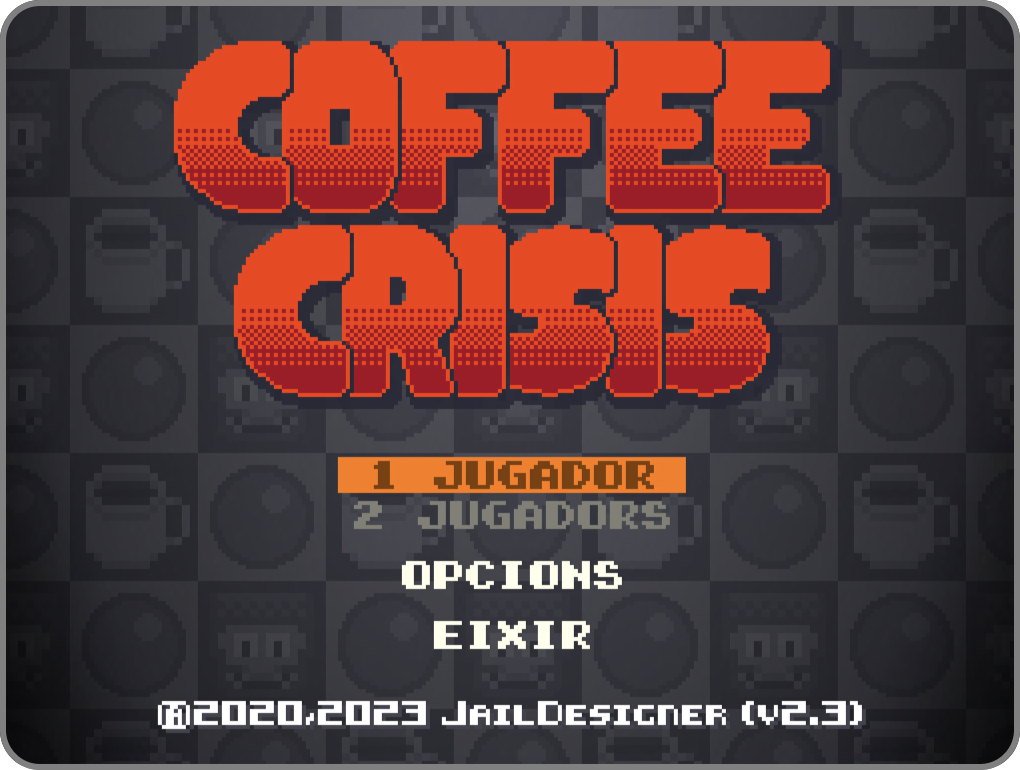
|
||||
|
||||
## Teclat
|
||||
|
||||
El joc es maneja amb teclat, encara que també es pot connectar un comandament de control.
|
||||
Les tecles són les següents:
|
||||
* **Fletxes**: Moure el personatge, moure's pels menús
|
||||
* **Q, W, E**: Disparar a l'esquerra, al centre i a la dreta respectivament
|
||||
* **ESCAPE**: Posa en pausa el joc durant la partida. Surt dels menús. Tanca el joc
|
||||
* **ENTER**: Accepta les opcions en els menús
|
||||
|
||||
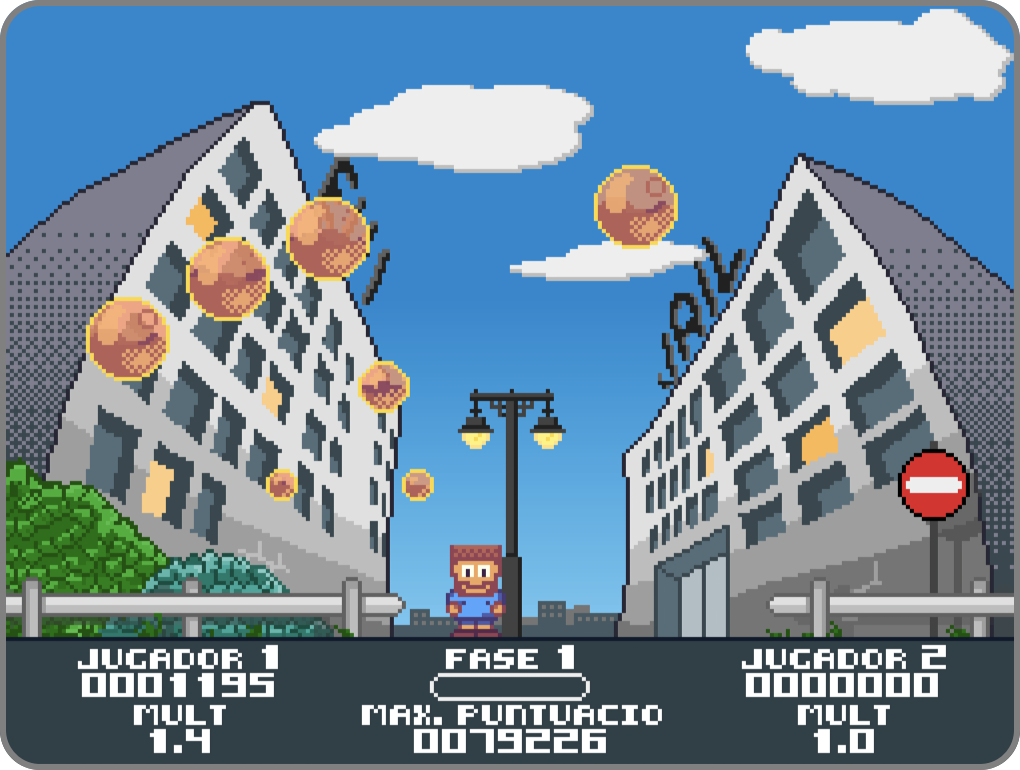
|
||||
|
||||
## Compilar
|
||||
|
||||
Para compilar el código se necesitan tener las librerías SDL instaladas en el sistema y el compilador g++.
|
||||
|
||||
Per compilar el codi cal tindre les biblioteques SDL instal·lades al sistema i el compilador g++.
|
||||
En Linux:
|
||||
```bash
|
||||
sudo apt install libsdl2-dev g++
|
||||
```
|
||||
|
||||
En macOS se pueden instalar fácilmente con [brew](https://brew.sh):
|
||||
En macOS es poden instal·lar fàcilment amb [brew](https://brew.sh):
|
||||
```bash
|
||||
brew install sdl2 g++
|
||||
```
|
||||
|
||||
Una vez instaladas las librerías SDL, se puede compilar utilizando el fichero Makefile suministrado.
|
||||
Un cop instal·lades les biblioteques SDL, es pot compilar utilitzant el fitxer Makefile subministrat.
|
||||
|
||||
En Linux:
|
||||
```bash
|
||||
@@ -27,27 +39,28 @@ En macOS:
|
||||
```bash
|
||||
make macos
|
||||
```
|
||||

|
||||
|
||||
## Como ejecutar
|
||||
## Com executar
|
||||
|
||||
Para ejecutar el juego hay que escribir en la terminal la orden que se muestra a continuación.
|
||||
Per executar el joc cal escriure a la terminal l'ordre que es mostra a continuació.
|
||||
|
||||
En Linux:
|
||||
```bash
|
||||
bin/coffee_crisis_linux
|
||||
./coffee_crisis_linux
|
||||
```
|
||||
|
||||
En macOS:
|
||||
```bash
|
||||
bin/coffee_crisis_macos
|
||||
./coffee_crisis_macos
|
||||
```
|
||||
|
||||
En macOS tambien puedes hacer doble click sobre el archivo coffee_crisis_macos que hay en la carpeta bin
|
||||
En macOS també pots fer doble clic sobre l'arxiu coffee_crisis_macos
|
||||
|
||||
## Agradecimientos
|
||||
A los jailers y a la jail. Y entre ellos, a JailDoctor por estar siempre ahí apoyándonos/obligándonos a sacar un Jailgame más.
|
||||
## Agraïments
|
||||
Als jailers i a la jail. I entre ells, a JailDoctor per estar sempre donant-nos suport/obligant-nos a traure un Jailgame més.
|
||||
|
||||
Y por supuesto a ti por estar aquí.
|
||||
I per descomptat a tu per estar aquí.
|
||||
|
||||
## Licencia
|
||||
Usa el código para lo que quieras: aprender, reirte, curiosear... excepto para sacar beneficio económico. Si lo consigues, por favor avísame y vamos a medias.
|
||||
## Llicència
|
||||
Utilitza el codi per a el que vulgues: aprendre, riure't, tafanejar... excepte per treure'n benefici econòmic. Si ho aconsegueixes, si us plau avisa'm i anem a mitges.
|
||||
@@ -33,5 +33,5 @@ frames=36,37,38,39,40,41,42,43,44,45
|
||||
name=pop
|
||||
speed=5
|
||||
loop=-1
|
||||
frames=60,61,62,63,64,65,66,67,68,69,70,71
|
||||
frames=48,49,50,51,52,53,54,55,56,57,58,59
|
||||
[/animation]
|
||||

|
Before Width: | Height: | Size: 1.9 KiB After Width: | Height: | Size: 1.8 KiB |
@@ -33,5 +33,5 @@ frames=36,37,38,39,40,41,42,43,44,45
|
||||
name=pop
|
||||
speed=5
|
||||
loop=-1
|
||||
frames=60,61,62,63,64,65,66,67,68,69,70,71
|
||||
frames=48,49,50,51,52,53,54,55,56,57,58,59
|
||||
[/animation]
|
||||

|
Before Width: | Height: | Size: 4.7 KiB After Width: | Height: | Size: 4.5 KiB |
@@ -33,5 +33,5 @@ frames=36,37,38,39,40,41,42,43,44,45
|
||||
name=pop
|
||||
speed=5
|
||||
loop=-1
|
||||
frames=60,61,62,63,64,65,66,67,68,69,70,71
|
||||
frames=48,49,50,51,52,53,54,55,56,57,58,59
|
||||
[/animation]
|
||||

|
Before Width: | Height: | Size: 6.5 KiB After Width: | Height: | Size: 6.1 KiB |
@@ -31,14 +31,14 @@ frames=36,37,38,39,40,41,42,43,44,45
|
||||
|
||||
[animation]
|
||||
name=powerball
|
||||
speed=20
|
||||
speed=10
|
||||
loop=0
|
||||
frames=48
|
||||
frames=10
|
||||
[/animation]
|
||||
|
||||
[animation]
|
||||
name=pop
|
||||
speed=5
|
||||
loop=-1
|
||||
frames=60,61,62,63,64,65,66,67,68,69,70,71
|
||||
frames=48,49,50,51,52,53,54,55,56,57,58,59
|
||||
[/animation]
|
||||

|
Before Width: | Height: | Size: 13 KiB After Width: | Height: | Size: 13 KiB |

|
Before Width: | Height: | Size: 14 KiB |
BIN
data/gfx/game_buildings.png
Normal file

|
After Width: | Height: | Size: 8.9 KiB |
BIN
data/gfx/game_clouds.png
Normal file

|
After Width: | Height: | Size: 901 B |
BIN
data/gfx/game_grass.png
Normal file

|
After Width: | Height: | Size: 468 B |
BIN
data/gfx/game_power_meter.png
Normal file

|
After Width: | Height: | Size: 270 B |
BIN
data/gfx/game_sky_colors.png
Normal file

|
After Width: | Height: | Size: 2.5 KiB |

|
Before Width: | Height: | Size: 795 B After Width: | Height: | Size: 438 B |

|
Before Width: | Height: | Size: 2.3 KiB |

|
Before Width: | Height: | Size: 3.0 KiB After Width: | Height: | Size: 2.5 KiB |
BIN
data/gfx/menu_game_over.png
Normal file

|
After Width: | Height: | Size: 3.6 KiB |
BIN
data/gfx/menu_game_over_end.png
Normal file

|
After Width: | Height: | Size: 3.8 KiB |
@@ -1,86 +0,0 @@
|
||||
frameWidth=24
|
||||
frameHeight=24
|
||||
|
||||
[animation]
|
||||
name=walk
|
||||
speed=5
|
||||
loop=0
|
||||
frames=0,1,2,3
|
||||
[/animation]
|
||||
|
||||
[animation]
|
||||
name=stand
|
||||
speed=10
|
||||
loop=0
|
||||
frames=4,5,6,7
|
||||
[/animation]
|
||||
|
||||
[animation]
|
||||
name=walk_1C
|
||||
speed=5
|
||||
loop=0
|
||||
frames=8,9,10,11
|
||||
[/animation]
|
||||
|
||||
[animation]
|
||||
name=stand_1C
|
||||
speed=10
|
||||
loop=0
|
||||
frames=12,13,14,15
|
||||
[/animation]
|
||||
|
||||
[animation]
|
||||
name=walk_2C
|
||||
speed=5
|
||||
loop=0
|
||||
frames=16,17,18,19
|
||||
[/animation]
|
||||
|
||||
[animation]
|
||||
name=stand_2C
|
||||
speed=10
|
||||
loop=0
|
||||
frames=20,21,22,23
|
||||
[/animation]
|
||||
|
||||
[animation]
|
||||
name=sideshoot
|
||||
speed=5
|
||||
loop=0
|
||||
frames=24,25,26,27
|
||||
[/animation]
|
||||
|
||||
[animation]
|
||||
name=centershoot
|
||||
speed=10
|
||||
loop=0
|
||||
frames=28,29,30,31
|
||||
[/animation]
|
||||
|
||||
[animation]
|
||||
name=sideshoot_1C
|
||||
speed=5
|
||||
loop=0
|
||||
frames=32,33,34,35
|
||||
[/animation]
|
||||
|
||||
[animation]
|
||||
name=centershoot_1C
|
||||
speed=10
|
||||
loop=0
|
||||
frames=36,37,38,39
|
||||
[/animation]
|
||||
|
||||
[animation]
|
||||
name=sideshoot_2C
|
||||
speed=5
|
||||
loop=0
|
||||
frames=40,41,42,43
|
||||
[/animation]
|
||||
|
||||
[animation]
|
||||
name=centershoot_2C
|
||||
speed=10
|
||||
loop=0
|
||||
frames=44,45,46,47
|
||||
[/animation]
|
||||

|
Before Width: | Height: | Size: 1.8 KiB |

|
Before Width: | Height: | Size: 2.7 KiB |

|
Before Width: | Height: | Size: 6.5 KiB |

|
Before Width: | Height: | Size: 1.7 KiB |

|
Before Width: | Height: | Size: 6.6 KiB |

|
Before Width: | Height: | Size: 654 B |
BIN
data/gfx/player_arounder_body.png
Normal file

|
After Width: | Height: | Size: 4.7 KiB |
BIN
data/gfx/player_arounder_death.png
Normal file

|
After Width: | Height: | Size: 1.4 KiB |
BIN
data/gfx/player_arounder_fire.png
Normal file

|
After Width: | Height: | Size: 887 B |
BIN
data/gfx/player_arounder_head.png
Normal file

|
After Width: | Height: | Size: 1.6 KiB |
BIN
data/gfx/player_arounder_legs.png
Normal file

|
After Width: | Height: | Size: 443 B |

|
Before Width: | Height: | Size: 4.6 KiB After Width: | Height: | Size: 4.6 KiB |
BIN
data/gfx/player_bal1_death.png
Normal file

|
After Width: | Height: | Size: 1.3 KiB |
BIN
data/gfx/player_bal1_fire.png
Normal file

|
After Width: | Height: | Size: 835 B |
BIN
data/gfx/player_bal1_head.png
Normal file

|
After Width: | Height: | Size: 1.6 KiB |

|
Before Width: | Height: | Size: 529 B After Width: | Height: | Size: 529 B |
176
data/gfx/player_body.ani
Normal file
@@ -0,0 +1,176 @@
|
||||
frameWidth=24
|
||||
frameHeight=24
|
||||
|
||||
[animation]
|
||||
name=walk
|
||||
speed=5
|
||||
loop=0
|
||||
frames=0,1,2,3
|
||||
[/animation]
|
||||
|
||||
[animation]
|
||||
name=stand
|
||||
speed=10
|
||||
loop=0
|
||||
frames=4,5,6,7
|
||||
[/animation]
|
||||
|
||||
[animation]
|
||||
name=walk_1C
|
||||
speed=5
|
||||
loop=0
|
||||
frames=8,9,10,11
|
||||
[/animation]
|
||||
|
||||
[animation]
|
||||
name=stand_1C
|
||||
speed=10
|
||||
loop=0
|
||||
frames=12,13,14,15
|
||||
[/animation]
|
||||
|
||||
[animation]
|
||||
name=walk_2C
|
||||
speed=5
|
||||
loop=0
|
||||
frames=16,17,18,19
|
||||
[/animation]
|
||||
|
||||
[animation]
|
||||
name=stand_2C
|
||||
speed=10
|
||||
loop=0
|
||||
frames=20,21,22,23
|
||||
[/animation]
|
||||
|
||||
|
||||
|
||||
[animation]
|
||||
name=sideshoot
|
||||
speed=5
|
||||
loop=0
|
||||
frames=24,25,26,27
|
||||
[/animation]
|
||||
|
||||
[animation]
|
||||
name=centershoot
|
||||
speed=5
|
||||
loop=0
|
||||
frames=28,29,30,31
|
||||
[/animation]
|
||||
|
||||
[animation]
|
||||
name=sideshoot_1C
|
||||
speed=5
|
||||
loop=0
|
||||
frames=32,33,34,35
|
||||
[/animation]
|
||||
|
||||
[animation]
|
||||
name=centershoot_1C
|
||||
speed=5
|
||||
loop=0
|
||||
frames=36,37,38,39
|
||||
[/animation]
|
||||
|
||||
[animation]
|
||||
name=sideshoot_2C
|
||||
speed=5
|
||||
loop=0
|
||||
frames=40,41,42,43
|
||||
[/animation]
|
||||
|
||||
[animation]
|
||||
name=centershoot_2C
|
||||
speed=5
|
||||
loop=0
|
||||
frames=44,45,46,47
|
||||
[/animation]
|
||||
|
||||
|
||||
|
||||
[animation]
|
||||
name=walk_pwr
|
||||
speed=3
|
||||
loop=0
|
||||
frames=0,1,2,3
|
||||
[/animation]
|
||||
|
||||
[animation]
|
||||
name=stand_pwr
|
||||
speed=5
|
||||
loop=0
|
||||
frames=4,5,6,7
|
||||
[/animation]
|
||||
|
||||
[animation]
|
||||
name=walk_1C_pwr
|
||||
speed=3
|
||||
loop=0
|
||||
frames=8,9,10,11
|
||||
[/animation]
|
||||
|
||||
[animation]
|
||||
name=stand_1C_pwr
|
||||
speed=5
|
||||
loop=0
|
||||
frames=12,13,14,15
|
||||
[/animation]
|
||||
|
||||
[animation]
|
||||
name=walk_2C_pwr
|
||||
speed=3
|
||||
loop=0
|
||||
frames=16,17,18,19
|
||||
[/animation]
|
||||
|
||||
[animation]
|
||||
name=stand_2C_pwr
|
||||
speed=5
|
||||
loop=0
|
||||
frames=20,21,22,23
|
||||
[/animation]
|
||||
|
||||
|
||||
|
||||
[animation]
|
||||
name=sideshoot_pwr
|
||||
speed=2
|
||||
loop=0
|
||||
frames=24,25,26,27
|
||||
[/animation]
|
||||
|
||||
[animation]
|
||||
name=centershoot_pwr
|
||||
speed=2
|
||||
loop=0
|
||||
frames=28,29,30,31
|
||||
[/animation]
|
||||
|
||||
[animation]
|
||||
name=sideshoot_1C_pwr
|
||||
speed=2
|
||||
loop=0
|
||||
frames=32,33,34,35
|
||||
[/animation]
|
||||
|
||||
[animation]
|
||||
name=centershoot_1C_pwr
|
||||
speed=2
|
||||
loop=0
|
||||
frames=36,37,38,39
|
||||
[/animation]
|
||||
|
||||
[animation]
|
||||
name=sideshoot_2C_pwr
|
||||
speed=2
|
||||
loop=0
|
||||
frames=40,41,42,43
|
||||
[/animation]
|
||||
|
||||
[animation]
|
||||
name=centershoot_2C_pwr
|
||||
speed=2
|
||||
loop=0
|
||||
frames=44,45,46,47
|
||||
[/animation]
|
||||
9
data/gfx/player_fire.ani
Normal file
@@ -0,0 +1,9 @@
|
||||
frameWidth=28
|
||||
frameHeight=32
|
||||
|
||||
[animation]
|
||||
name=default
|
||||
speed=5
|
||||
loop=0
|
||||
frames=0,1,2,3
|
||||
[/animation]
|
||||
@@ -61,54 +61,54 @@ frames=28,29,30,31
|
||||
name=sideshoot
|
||||
speed=5
|
||||
loop=0
|
||||
frames=32,33,34,35
|
||||
frames=16,17,18,19
|
||||
[/animation]
|
||||
|
||||
[animation]
|
||||
name=centershoot
|
||||
speed=10
|
||||
speed=5
|
||||
loop=0
|
||||
frames=36,37,38,39
|
||||
frames=20,21,22,23
|
||||
[/animation]
|
||||
|
||||
[animation]
|
||||
name=sideshoot_1C
|
||||
speed=5
|
||||
loop=0
|
||||
frames=40,41,42,43
|
||||
frames=24,25,26,27
|
||||
[/animation]
|
||||
|
||||
[animation]
|
||||
name=centershoot_1C
|
||||
speed=10
|
||||
speed=5
|
||||
loop=0
|
||||
frames=44,45,46,47
|
||||
frames=28,29,30,31
|
||||
[/animation]
|
||||
|
||||
[animation]
|
||||
name=sideshoot_pwr
|
||||
speed=5
|
||||
speed=2
|
||||
loop=0
|
||||
frames=48,49,50,51
|
||||
frames=16,17,18,19
|
||||
[/animation]
|
||||
|
||||
[animation]
|
||||
name=centershoot_pwr
|
||||
speed=10
|
||||
speed=2
|
||||
loop=0
|
||||
frames=52,53,54,55
|
||||
frames=20,21,22,23
|
||||
[/animation]
|
||||
|
||||
[animation]
|
||||
name=sideshoot_1C_pwr
|
||||
speed=5
|
||||
speed=2
|
||||
loop=0
|
||||
frames=56,57,58,59
|
||||
frames=24,25,26,27
|
||||
[/animation]
|
||||
|
||||
[animation]
|
||||
name=centershoot_1C_pwr
|
||||
speed=10
|
||||
speed=2
|
||||
loop=0
|
||||
frames=60,61,62,63
|
||||
frames=28,29,30,31
|
||||
[/animation]
|
||||
@@ -1,160 +1,281 @@
|
||||
## 0 - MENU DEL TITULO
|
||||
JUGAR
|
||||
|
||||
## 1 - MENU DEL TITULO
|
||||
OPCIONS
|
||||
|
||||
## 2 - MENU DEL TITULO
|
||||
INSTRUCCIONS
|
||||
|
||||
## 3 - MENU DEL TITULO
|
||||
EIXIR
|
||||
|
||||
## 4 - MENU DE OPCIONES
|
||||
FINESTRA
|
||||
|
||||
## 5 - MENU DE OPCIONES
|
||||
PANTALLA COMPLETA
|
||||
|
||||
## 6 - MENU DE OPCIONES
|
||||
PANTALLA COMPLETA FALSA
|
||||
|
||||
## 7 - MENU DE OPCIONES
|
||||
TAMANY DE FINESTRA
|
||||
|
||||
## 8 - MENU DE OPCIONES
|
||||
IDIOMA
|
||||
|
||||
## 9 - MENU DE OPCIONES
|
||||
[ ACEPTAR ]
|
||||
|
||||
## 10 - MENU DE OPCIONES
|
||||
[ CANCELAR ]
|
||||
|
||||
## 11 - INSTRUCCIONES
|
||||
OBJECTIU
|
||||
|
||||
## 12 - INSTRUCCIONES
|
||||
HAS D'EXPLOTAR
|
||||
|
||||
## 13 - INSTRUCCIONES
|
||||
TANTS GLOBUS COM PUGUES
|
||||
|
||||
## 14 - INSTRUCCIONES
|
||||
LA DIFICULTAT AUGMENTA
|
||||
|
||||
## 15 - INSTRUCCIONES
|
||||
A MESURA QUE VAS PUNTUANT
|
||||
|
||||
## 16 - INSTRUCCIONES
|
||||
OBJECTES
|
||||
|
||||
## 17 - INSTRUCCIONES
|
||||
1.000 PUNTS
|
||||
|
||||
## 18 - INSTRUCCIONES
|
||||
2.500 PUNTS
|
||||
|
||||
## 19 - INSTRUCCIONES
|
||||
5.000 PUNTS
|
||||
|
||||
## 20 - INSTRUCCIONES
|
||||
PARA EL TEMPS
|
||||
|
||||
## 21 - INSTRUCCIONES
|
||||
VIDA EXTRA
|
||||
|
||||
## 22 - INSTRUCCIONES
|
||||
PREM UNA TECLA PER A TORNAR
|
||||
|
||||
## 23 - TITULO
|
||||
PREM QUALSEVOL TECLA
|
||||
|
||||
## 24 - MENU SELECCION DE IDIOMA
|
||||
ESPA{OL (ESPANYOL)
|
||||
|
||||
## 25 - MENU SELECCION DE IDIOMA
|
||||
BALOONCIA
|
||||
|
||||
## 26 - MENU SELECCION DE IDIOMA
|
||||
ENGLISH (ANGLES)
|
||||
|
||||
## 27 - INTRO
|
||||
Un dia qualsevol de l'any 2000
|
||||
|
||||
## 28 - INTRO
|
||||
Tot esta tranquil a la UPV
|
||||
|
||||
## 29 - INTRO
|
||||
Fins que un desaprensiu...
|
||||
|
||||
## 30 - INTRO
|
||||
HEY! ME ANE A FERME UN CORTAET...
|
||||
|
||||
## 31 - INTRO
|
||||
UAAAAAAAAAAAAA!!!
|
||||
|
||||
## 32 - INTRO
|
||||
Espera un moment...
|
||||
|
||||
## 33 - INTRO
|
||||
Si resulta que no tinc solt!
|
||||
|
||||
## 34 - INTRO
|
||||
MERDA DE MAQUINA!
|
||||
|
||||
## 35 - INTRO
|
||||
Blop... blop... blop...
|
||||
|
||||
## 36 - TEXTOS DEL JUEGO
|
||||
Temps detes:
|
||||
|
||||
## 37 - TEXTOS DEL JUEGO
|
||||
D E M O
|
||||
|
||||
## 38 - TEXTOS DEL JUEGO
|
||||
fases mes!
|
||||
## 39 -
|
||||
|
||||
## 40 -
|
||||
## 39 - MENU SELECCION DE JUGADOR
|
||||
Selecciona personatge
|
||||
|
||||
## 41 -
|
||||
## 40 - MENU SELECCION DE JUGADOR
|
||||
Enrere
|
||||
|
||||
## 42 -
|
||||
## 41 - MENU DE PAUSA
|
||||
Menu de pausa
|
||||
|
||||
## 42 - TABLA DE RECORDS
|
||||
Millors puntuacions
|
||||
|
||||
## 43 - PANTALLA DE GAME OVER
|
||||
FI DEL JOC
|
||||
|
||||
## 44 - PANTALLA DE GAME OVER
|
||||
ELS TEUS PUNTS:
|
||||
|
||||
## 45 - PANTALLA DE GAME OVER
|
||||
CONTINUAR?
|
||||
|
||||
## 46 - MENU DE PAUSA
|
||||
CONTINUAR
|
||||
|
||||
## 47 - MENU DE PAUSA
|
||||
EIXIR DEL JOC
|
||||
|
||||
## 48 - MENU GAME OVER
|
||||
SI
|
||||
|
||||
## 49 - MENU GAME OVER
|
||||
NO
|
||||
|
||||
## 50 - TEXTO DE COMPLETAR EL JUEGO
|
||||
Felicitats!!
|
||||
|
||||
## 51 - MENU DEL TITULO
|
||||
1 JUGADOR
|
||||
|
||||
## 52 - MENU DEL TITULO
|
||||
2 JUGADORS
|
||||
|
||||
## 53 MARCADOR
|
||||
jugador 1
|
||||
|
||||
## 54 MARCADOR
|
||||
jugador 2
|
||||
|
||||
## 55 MARCADOR
|
||||
mult
|
||||
|
||||
## 56 MARCADOR
|
||||
max. puntuacio
|
||||
|
||||
## 57 MARCADOR
|
||||
fase
|
||||
|
||||
## 58 - MENU DE OPCIONES
|
||||
MODE DE VISUALITZACIO
|
||||
|
||||
## 59 - MENU DE OPCIONES
|
||||
DIFICULTAT
|
||||
|
||||
## 60 - MENU DE OPCIONES
|
||||
FILTRE
|
||||
|
||||
## 61 - MENU DE OPCIONES
|
||||
SINC. VERTICAL
|
||||
|
||||
## 62 - MENU DE OPCIONES
|
||||
CONTROLS DEL JUGADOR 1
|
||||
|
||||
## 63 - MENU DE OPCIONES
|
||||
CONTROLS DEL JUGADOR 2
|
||||
## 64 -
|
||||
|
||||
## 64 - MENU DE OPCIONES
|
||||
(FORA DE LINEA)
|
||||
|
||||
## 65 -
|
||||
-
|
||||
|
||||
## 66 - MENU DE OPCIONES
|
||||
FACIL
|
||||
|
||||
## 67 - MENU DE OPCIONES
|
||||
NORMAL
|
||||
|
||||
## 68 - MENU DE OPCIONES
|
||||
DIFICIL
|
||||
|
||||
## 69 - MENU DE OPCIONES
|
||||
TECLAT
|
||||
|
||||
## 70 - MENU DE OPCIONES
|
||||
MANDO
|
||||
|
||||
## 71 - MENU DE OPCIONES
|
||||
LINEAL
|
||||
|
||||
## 72 - MENU DE OPCIONES
|
||||
NEAREST
|
||||
|
||||
## 73 - MENU DE OPCIONES
|
||||
ACTIVADA
|
||||
|
||||
## 74 - MENU DE OPCIONES
|
||||
DESACTIVADA
|
||||
|
||||
## 75 - JUEGO
|
||||
Endavant!
|
||||
|
||||
## 76 - JUEGO
|
||||
1.000.000 de punts!
|
||||
|
||||
## 77 - PANTALLA DE GAME OVER
|
||||
PUNTS J1:
|
||||
|
||||
## 78 - PANTALLA DE GAME OVER
|
||||
PUNTS J2:
|
||||
|
||||
## 79 - TEXTOS DEL JUEGO
|
||||
Ultima fase!
|
||||
|
||||
## 80 - NOTIFICACIONES
|
||||
Fallo al conectar a
|
||||
|
||||
## 81 - NOTIFICACIONES
|
||||
No s'ha pogut obtenir
|
||||
|
||||
## 82 - NOTIFICACIONES
|
||||
la puntuacio online
|
||||
|
||||
## 83 - NOTIFICACIONES
|
||||
No ha especificat
|
||||
|
||||
## 84 - NOTIFICACIONES
|
||||
cap jailerID
|
||||
|
||||
## 85 - NOTIFICACIONES
|
||||
ha iniciat la sesio
|
||||
|
||||
## 86 - NOTIFICACIONES
|
||||
Punts enviats:
|
||||
|
||||
## 87 - NOTIFICACIONES
|
||||
No s'ha pogut
|
||||
|
||||
## 88 - NOTIFICACIONES
|
||||
enviar la puntuacio
|
||||
|
||||
## 89 - ENTER ID
|
||||
CONFIGURACIO EN LINEA
|
||||
|
||||
## 90 - ENTER ID
|
||||
INTRODUEIX UN JAILER_ID
|
||||
|
||||
## 91 - ENTER ID
|
||||
DEIXA BUIT PER A
|
||||
|
||||
## 92 - ENTER ID
|
||||
MODE FORA DE LINEA
|
||||
|
||||
## 93 - MENU OPCIONES
|
||||
TAULER DE PUNTS
|
||||
@@ -1,160 +1,281 @@
|
||||
## 0 - MENU DEL TITULO
|
||||
PLAY
|
||||
|
||||
## 1 - MENU DEL TITULO
|
||||
OPTIONS
|
||||
|
||||
## 2 - MENU DEL TITULO
|
||||
HOW TO PLAY
|
||||
|
||||
## 3 - MENU DEL TITULO
|
||||
QUIT
|
||||
|
||||
## 4 - MENU DE OPCIONES
|
||||
WINDOW
|
||||
|
||||
## 5 - MENU DE OPCIONES
|
||||
FULLSCREEN
|
||||
|
||||
## 6 - MENU DE OPCIONES
|
||||
FAKE FULLSCREEN
|
||||
|
||||
## 7 - MENU DE OPCIONES
|
||||
WINDOW SIZE
|
||||
|
||||
## 8 - MENU DE OPCIONES
|
||||
LANGUAGE
|
||||
|
||||
## 9 - MENU DE OPCIONES
|
||||
[ ACCEPT ]
|
||||
|
||||
## 10 - MENU DE OPCIONES
|
||||
[ CANCEL ]
|
||||
|
||||
## 11 - INSTRUCCIONES
|
||||
OBJECTIVE
|
||||
|
||||
## 12 - INSTRUCCIONES
|
||||
YOU HAVE TO POP AS MANY
|
||||
|
||||
## 13 - INSTRUCCIONES
|
||||
BALLOONS AS YOU CAN
|
||||
|
||||
## 14 - INSTRUCCIONES
|
||||
DIFFICULTY WILL BE INCREASED
|
||||
|
||||
## 15 - INSTRUCCIONES
|
||||
AS YOU SCORE POINTS
|
||||
|
||||
## 16 - INSTRUCCIONES
|
||||
ITEMS
|
||||
|
||||
## 17 - INSTRUCCIONES
|
||||
1.000 POINTS
|
||||
|
||||
## 18 - INSTRUCCIONES
|
||||
2.500 POINTS
|
||||
|
||||
## 19 - INSTRUCCIONES
|
||||
5.000 POINTS
|
||||
|
||||
## 20 - INSTRUCCIONES
|
||||
TIME STOPPER
|
||||
|
||||
## 21 - INSTRUCCIONES
|
||||
EXTRA HIT
|
||||
|
||||
## 22 - INSTRUCCIONES
|
||||
PRESS ANY KEY TO RETURN
|
||||
|
||||
## 23 - TITULO
|
||||
PRESS ANY KEY
|
||||
|
||||
## 24 - MENU SELECCION DE IDIOMA
|
||||
ESPA{OL (SPANISH)
|
||||
|
||||
## 25 - MENU SELECCION DE IDIOMA
|
||||
BALOONCIA (VALENCIAN)
|
||||
|
||||
## 26 - MENU SELECCION DE IDIOMA
|
||||
ENGLISH
|
||||
|
||||
## 27 - INTRO
|
||||
Any day of the year 2000
|
||||
|
||||
## 28 - INTRO
|
||||
Everything is quiet at the UPV
|
||||
|
||||
## 29 - INTRO
|
||||
Until a bastard arrives...
|
||||
|
||||
## 30 - INTRO
|
||||
YO! GONNA TAKE A CAFELITO...
|
||||
|
||||
## 31 - INTRO
|
||||
AAAAAAAARGHHHH!!!
|
||||
|
||||
## 32 - INTRO
|
||||
Wait a moment...
|
||||
|
||||
## 33 - INTRO
|
||||
I don't have any loose!
|
||||
|
||||
## 34 - INTRO
|
||||
FUCKING MACHINE!
|
||||
|
||||
## 35 - INTRO
|
||||
Blop... blop... blop...
|
||||
|
||||
## 36 - TEXTOS DEL JUEGO
|
||||
Time stopped:
|
||||
|
||||
## 37 - TEXTOS DEL JUEGO
|
||||
D E M O
|
||||
|
||||
## 38 - TEXTOS DEL JUEGO
|
||||
stages left!
|
||||
## 39 -
|
||||
|
||||
## 40 -
|
||||
## 39 - MENU SELECCION DE JUGADOR
|
||||
Select Player
|
||||
|
||||
## 41 -
|
||||
## 40 - MENU SELECCION DE JUGADOR
|
||||
Back
|
||||
|
||||
## 42 -
|
||||
## 41 - MENU DE PAUSA
|
||||
Pause Menu
|
||||
|
||||
## 42 - TABLA DE RECORDS
|
||||
Best scores
|
||||
|
||||
## 43 - PANTALLA DE GAME OVER
|
||||
GAME OVER
|
||||
|
||||
## 44 - PANTALLA DE GAME OVER
|
||||
YOUR SCORE:
|
||||
|
||||
## 45 - PANTALLA DE GAME OVER
|
||||
CONTINUE?
|
||||
|
||||
## 46 - MENU DE PAUSA
|
||||
CONTINUE
|
||||
|
||||
## 47 - MENU DE PAUSA
|
||||
LEAVE GAME
|
||||
|
||||
## 48 - MENU GAME OVER
|
||||
YES
|
||||
|
||||
## 49 - MENU GAME OVER
|
||||
NO
|
||||
|
||||
## 50 - TEXTO DE COMPLETAR EL JUEGO
|
||||
Congratulations!!
|
||||
|
||||
## 51 - MENU DEL TITULO
|
||||
1 PLAYER
|
||||
|
||||
## 52 - MENU DEL TITULO
|
||||
2 PLAYERS
|
||||
|
||||
## 53 - MARCADOR
|
||||
player 1
|
||||
|
||||
## 54 - MARCADOR
|
||||
player 2
|
||||
|
||||
## 55 - MARCADOR
|
||||
mult
|
||||
|
||||
## 56 - MARCADOR
|
||||
high score
|
||||
|
||||
## 57 - MARCADOR
|
||||
stage
|
||||
|
||||
## 58 - MENU DE OPCIONES
|
||||
DISPLAY MODE
|
||||
|
||||
## 59 - MENU DE OPCIONES
|
||||
DIFFICULTY
|
||||
|
||||
## 60 - MENU DE OPCIONES
|
||||
FILTER
|
||||
|
||||
## 61 - MENU DE OPCIONES
|
||||
VSYNC
|
||||
|
||||
## 62 - MENU DE OPCIONES
|
||||
PLAYER 1 CONTROLS
|
||||
|
||||
## 63 - MENU DE OPCIONES
|
||||
PLAYER 2 CONTROLS
|
||||
## 64 -
|
||||
|
||||
## 64 - MENU DE OPCIONES
|
||||
(OFFLINE MODE)
|
||||
|
||||
## 65 -
|
||||
-
|
||||
|
||||
## 66 - MENU DE OPCIONES
|
||||
EASY
|
||||
|
||||
## 67 - MENU DE OPCIONES
|
||||
NORMAL
|
||||
|
||||
## 68 - MENU DE OPCIONES
|
||||
HARD
|
||||
|
||||
## 69 - MENU DE OPCIONES
|
||||
KEYBOARD
|
||||
|
||||
## 70 - MENU DE OPCIONES
|
||||
GAME CONTROLLER
|
||||
|
||||
## 71 - MENU DE OPCIONES
|
||||
LINEAL
|
||||
|
||||
## 72 - MENU DE OPCIONES
|
||||
NEAREST
|
||||
|
||||
## 73 - MENU DE OPCIONES
|
||||
ON
|
||||
|
||||
## 74 - MENU DE OPCIONES
|
||||
OFF
|
||||
|
||||
## 75 - JUEGO
|
||||
Get Ready!
|
||||
|
||||
## 76 - JUEGO
|
||||
1.000.000 points!
|
||||
|
||||
## 77 - PANTALLA DE GAME OVER
|
||||
PLAYER1 SCORE:
|
||||
|
||||
## 78 - PANTALLA DE GAME OVER
|
||||
PLAYER2 SCORE:
|
||||
|
||||
## 79 - TEXTOS DEL JUEGO
|
||||
Last stage!
|
||||
|
||||
## 80 - NOTIFICACIONES
|
||||
Failed connecting to
|
||||
|
||||
## 81 - NOTIFICACIONES
|
||||
Can't get
|
||||
|
||||
## 82 - NOTIFICACIONES
|
||||
online scores
|
||||
|
||||
## 83 - NOTIFICACIONES
|
||||
No JailerID
|
||||
|
||||
## 84 - NOTIFICACIONES
|
||||
name was set
|
||||
|
||||
## 85 - NOTIFICACIONES
|
||||
is logged in
|
||||
|
||||
## 86 - NOTIFICACIONES
|
||||
Score submitted
|
||||
|
||||
## 87 - NOTIFICACIONES
|
||||
Failed to send
|
||||
|
||||
## 88 - NOTIFICACIONES
|
||||
score to online server
|
||||
|
||||
## 89 - ENTER ID
|
||||
ONLINE CONFIGURATION
|
||||
|
||||
## 90 - ENTER ID
|
||||
PLEASE ENTER AN ID
|
||||
|
||||
## 91 - ENTER ID
|
||||
LEAVE BLANK FOR
|
||||
|
||||
## 92 - ENTER ID
|
||||
OFFLINE MODE
|
||||
|
||||
## 93 - MENU OPCIONES
|
||||
HISCORE TABLE
|
||||
@@ -1,160 +1,281 @@
|
||||
## 0 - MENU DEL TITULO
|
||||
JUGAR
|
||||
|
||||
## 1 - MENU DEL TITULO
|
||||
OPCIONES
|
||||
|
||||
## 2 - MENU DEL TITULO
|
||||
INSTRUCCIONES
|
||||
|
||||
## 3 - MENU DEL TITULO
|
||||
SALIR
|
||||
|
||||
## 4 - MENU DE OPCIONES
|
||||
VENTANA
|
||||
|
||||
## 5 - MENU DE OPCIONES
|
||||
PANTALLA COMPLETA
|
||||
|
||||
## 6 - MENU DE OPCIONES
|
||||
PANTALLA COMPLETA FALSA
|
||||
|
||||
## 7 - MENU DE OPCIONES
|
||||
TAMA{O DE VENTANA
|
||||
|
||||
## 8 - MENU DE OPCIONES
|
||||
IDIOMA
|
||||
|
||||
## 9 - MENU DE OPCIONES
|
||||
[ ACEPTAR ]
|
||||
|
||||
## 10 - MENU DE OPCIONES
|
||||
[ CANCELAR ]
|
||||
|
||||
## 11 - INSTRUCCIONES
|
||||
OBJETIVO
|
||||
|
||||
## 12 - INSTRUCCIONES
|
||||
TIENES QUE EXPLOTAR
|
||||
|
||||
## 13 - INSTRUCCIONES
|
||||
TANTOS GLOBOS COMO PUEDAS
|
||||
|
||||
## 14 - INSTRUCCIONES
|
||||
LA DIFICULTAD SE INCREMENTA
|
||||
|
||||
## 15 - INSTRUCCIONES
|
||||
A MEDIDA QUE VAS PUNTUANDO
|
||||
|
||||
## 16 - INSTRUCCIONES
|
||||
OBJETOS
|
||||
|
||||
## 17 - INSTRUCCIONES
|
||||
1.000 PUNTOS
|
||||
|
||||
## 18 - INSTRUCCIONES
|
||||
2.500 PUNTOS
|
||||
|
||||
## 19 - INSTRUCCIONES
|
||||
5.000 PUNTOS
|
||||
|
||||
## 20 - INSTRUCCIONES
|
||||
DETIENE EL TIEMPO
|
||||
|
||||
## 21 - INSTRUCCIONES
|
||||
VIDA EXTRA
|
||||
|
||||
## 22 - INSTRUCCIONES
|
||||
PULSA UNA TECLA PARA VOLVER
|
||||
|
||||
## 23 - TITULO
|
||||
PULSA CUALQUIER TECLA
|
||||
|
||||
## 24 - MENU SELECCION DE IDIOMA
|
||||
ESPA{OL
|
||||
|
||||
## 25 - MENU SELECCION DE IDIOMA
|
||||
BALOONCIA (VALENCIANO)
|
||||
|
||||
## 26 - MENU SELECCION DE IDIOMA
|
||||
ENGLISH (INGLES)
|
||||
|
||||
## 27 - INTRO
|
||||
Un dia cualquiera del a{o 2000
|
||||
|
||||
## 28 - INTRO
|
||||
Todo esta tranquilo en la UPV
|
||||
|
||||
## 29 - INTRO
|
||||
Hasta que un desaprensivo...
|
||||
|
||||
## 30 - INTRO
|
||||
HEY! VOY A SACARME UN TALLADET...
|
||||
|
||||
## 31 - INTRO
|
||||
UAAAAAAAAAAAAA!!!
|
||||
|
||||
## 32 - INTRO
|
||||
Espera un momento...
|
||||
|
||||
## 33 - INTRO
|
||||
Si no llevo suelto encima!
|
||||
|
||||
## 34 - INTRO
|
||||
MIERDA DE MAQUINA!
|
||||
|
||||
## 35 - INTRO
|
||||
Blop... blop... blop...
|
||||
|
||||
## 36 - TEXTOS DEL JUEGO
|
||||
Tiempo:
|
||||
|
||||
## 37 - TEXTOS DEL JUEGO
|
||||
D E M O
|
||||
|
||||
## 38 - TEXTOS DEL JUEGO
|
||||
fases mas!
|
||||
## 39 -
|
||||
|
||||
## 40 -
|
||||
## 39 - MENU SELECCION DE JUGADOR
|
||||
Selecciona jugador
|
||||
|
||||
## 41 -
|
||||
## 40 - MENU SELECCION DE JUGADOR
|
||||
Volver
|
||||
|
||||
## 42 -
|
||||
## 41 - MENU DE PAUSA
|
||||
Menu de pausa
|
||||
|
||||
## 42 - TABLA DE RECORDS
|
||||
Mejores puntuaciones
|
||||
|
||||
## 43 - PANTALLA DE GAME OVER
|
||||
FIN DE JUEGO
|
||||
|
||||
## 44 - PANTALLA DE GAME OVER
|
||||
TU PUNTUACION:
|
||||
|
||||
## 45 - PANTALLA DE GAME OVER
|
||||
CONTINUAR?
|
||||
|
||||
## 46 - MENU DE PAUSA
|
||||
CONTINUAR
|
||||
|
||||
## 47 - MENU DE PAUSA
|
||||
SALIR DEL JUEGO
|
||||
|
||||
## 48 - MENU GAME OVER
|
||||
SI
|
||||
|
||||
## 49 - MENU GAME OVER
|
||||
NO
|
||||
|
||||
## 50 - TEXTO DE COMPLETAR EL JUEGO
|
||||
Felicidades!!
|
||||
|
||||
## 51 - MENU DEL TITULO
|
||||
1 JUGADOR
|
||||
|
||||
## 52 - MENU DEL TITULO
|
||||
2 JUGADORES
|
||||
|
||||
## 53 - MARCADOR
|
||||
jugador 1
|
||||
|
||||
## 54 - MARCADOR
|
||||
jugador 2
|
||||
|
||||
## 55 - MARCADOR
|
||||
mult
|
||||
|
||||
## 56 - MARCADOR
|
||||
max. puntuacion
|
||||
|
||||
## 57 - MARCADOR
|
||||
FASE
|
||||
|
||||
## 58 - MENU DE OPCIONES
|
||||
MODO DE VISUALIZACION
|
||||
|
||||
## 59 - MENU DE OPCIONES
|
||||
DIFICULTAD
|
||||
|
||||
## 60 - MENU DE OPCIONES
|
||||
FILTRO
|
||||
|
||||
## 61 - MENU DE OPCIONES
|
||||
SINC. VERTICAL
|
||||
|
||||
## 62 - MENU DE OPCIONES
|
||||
CONTROLES DEL JUGADOR 1
|
||||
|
||||
## 63 - MENU DE OPCIONES
|
||||
CONTROLES DEL JUGADOR 2
|
||||
## 64 -
|
||||
|
||||
## 64 - MENU DE OPCIONES
|
||||
(MODO OFFLINE)
|
||||
|
||||
## 65 -
|
||||
-
|
||||
|
||||
## 66 - MENU DE OPCIONES
|
||||
FACIL
|
||||
|
||||
## 67 - MENU DE OPCIONES
|
||||
NORMAL
|
||||
|
||||
## 68 - MENU DE OPCIONES
|
||||
DIFICIL
|
||||
|
||||
## 69 - MENU DE OPCIONES
|
||||
TECLADO
|
||||
|
||||
## 70 - MENU DE OPCIONES
|
||||
MANDO
|
||||
|
||||
## 71 - MENU DE OPCIONES
|
||||
LINEAL
|
||||
|
||||
## 72 - MENU DE OPCIONES
|
||||
NEAREST
|
||||
|
||||
## 73 - MENU DE OPCIONES
|
||||
ACTIVADA
|
||||
|
||||
## 74 - MENU DE OPCIONES
|
||||
DESACTIVADA
|
||||
|
||||
## 75 - JUEGO
|
||||
Adelante!
|
||||
|
||||
## 76 - JUEGO
|
||||
1.000.000 de puntos!
|
||||
|
||||
## 77 - PANTALLA DE GAME OVER
|
||||
PUNTUACION J1:
|
||||
|
||||
## 78 - PANTALLA DE GAME OVER
|
||||
PUNTUACION J2:
|
||||
|
||||
## 79 - TEXTOS DEL JUEGO
|
||||
Ultima fase!
|
||||
|
||||
## 80 - NOTIFICACIONES
|
||||
Fallo al conectar a
|
||||
|
||||
## 81 - NOTIFICACIONES
|
||||
No se ha podido obtener
|
||||
|
||||
## 82 - NOTIFICACIONES
|
||||
la puntuacion online
|
||||
|
||||
## 83 - NOTIFICACIONES
|
||||
No se ha especificado
|
||||
|
||||
## 84 - NOTIFICACIONES
|
||||
ningun jailerID
|
||||
|
||||
## 85 - NOTIFICACIONES
|
||||
ha iniciado la sesion
|
||||
|
||||
## 86 - NOTIFICACIONES
|
||||
Puntos enviados:
|
||||
|
||||
## 87 - NOTIFICACIONES
|
||||
No se ha podido
|
||||
|
||||
## 88 - NOTIFICACIONES
|
||||
enviar la puntuacion
|
||||
|
||||
## 89 - ENTER ID
|
||||
CONFIGURACION ONLNE
|
||||
|
||||
## 90 - ENTER ID
|
||||
INTRODUCE UN JAILER_ID
|
||||
|
||||
## 91 - ENTER ID
|
||||
DEJA EN BLANCO PARA
|
||||
|
||||
## 92 - ENTER ID
|
||||
MODO SIN CONEXION
|
||||
|
||||
## 93 - MENU OPCIONES
|
||||
TABLA DE PUNTUACIONES
|
||||
@@ -1,22 +1,21 @@
|
||||
font_png=smb2.png
|
||||
font_txt=smb2.txt
|
||||
|
||||
sound_cancel=menu_cancel.wav
|
||||
sound_accept=menu_select.wav
|
||||
sound_move=menu_move.wav
|
||||
sound_accept=menu_select.wav
|
||||
|
||||
name=GAME OVER
|
||||
x=0
|
||||
y=112
|
||||
y=120
|
||||
backgroundType=0
|
||||
backgroundColor=0,0,0,255
|
||||
backgroundColor=128,64,0,0
|
||||
|
||||
areElementsCenteredOnX=true
|
||||
isCenteredOnX=true
|
||||
centerX=128
|
||||
centerX=199
|
||||
|
||||
selector_color=84,110,122,0
|
||||
selector_text_color=255,122,0
|
||||
selector_color=255,122,0,255
|
||||
selector_text_color=255,255,235
|
||||
|
||||
defaultActionWhenCancel=1
|
||||
|
||||
|
||||
@@ -1,9 +1,8 @@
|
||||
font_png=smb2.png
|
||||
font_txt=smb2.txt
|
||||
|
||||
sound_cancel=menu_cancel.wav
|
||||
sound_accept=menu_select.wav
|
||||
sound_move=menu_move.wav
|
||||
sound_accept=menu_select.wav
|
||||
|
||||
name=OPTIONS
|
||||
x=0
|
||||
@@ -19,14 +18,15 @@ centerX=128
|
||||
isCenteredOnY=true
|
||||
centerY=96
|
||||
|
||||
selector_color=229,28,35,255
|
||||
selector_text_color=255,180,0
|
||||
selector_color=255,122,0,255
|
||||
selector_text_color=127,61,0,255
|
||||
|
||||
defaultActionWhenCancel=13
|
||||
defaultActionWhenCancel=15
|
||||
|
||||
[item]
|
||||
text=DIFFICULTY
|
||||
hPaddingDown=7
|
||||
hPaddingDown=6
|
||||
line=true
|
||||
[/item]
|
||||
|
||||
[item]
|
||||
@@ -39,7 +39,8 @@ linkedDown=true
|
||||
|
||||
[item]
|
||||
text=KEYBOARD
|
||||
hPaddingDown=7
|
||||
hPaddingDown=6
|
||||
line=true
|
||||
selectable=false
|
||||
greyed=false
|
||||
[/item]
|
||||
@@ -54,14 +55,16 @@ linkedDown=true
|
||||
|
||||
[item]
|
||||
text=GAME CONTROLLER
|
||||
hPaddingDown=7
|
||||
hPaddingDown=6
|
||||
line=true
|
||||
selectable=false
|
||||
greyed=false
|
||||
[/item]
|
||||
|
||||
[item]
|
||||
text=LANGUAGE
|
||||
hPaddingDown=7
|
||||
hPaddingDown=6
|
||||
line=true
|
||||
[/item]
|
||||
|
||||
[item]
|
||||
@@ -74,7 +77,8 @@ linkedDown=true
|
||||
|
||||
[item]
|
||||
text=WINDOW
|
||||
hPaddingDown=7
|
||||
hPaddingDown=6
|
||||
line=true
|
||||
selectable=false
|
||||
greyed=false
|
||||
[/item]
|
||||
@@ -91,12 +95,13 @@ hPaddingDown=2
|
||||
|
||||
[item]
|
||||
text=VSYNC
|
||||
hPaddingDown=7
|
||||
hPaddingDown=6
|
||||
line=true
|
||||
[/item]
|
||||
|
||||
[item]
|
||||
text=HOW TO PLAY
|
||||
hPaddingDown=7
|
||||
hPaddingDown=10
|
||||
[/item]
|
||||
|
||||
[item]
|
||||
|
||||
110
data/menu/options_gc.men
Normal file
@@ -0,0 +1,110 @@
|
||||
font_png=smb2.png
|
||||
font_txt=smb2.txt
|
||||
|
||||
sound_move=menu_move.wav
|
||||
sound_accept=menu_select.wav
|
||||
|
||||
name=OPTIONS
|
||||
x=0
|
||||
y=116
|
||||
backgroundType=0
|
||||
backgroundColor=48,48,64,192
|
||||
|
||||
areElementsCenteredOnX=true
|
||||
|
||||
isCenteredOnX=true
|
||||
centerX=128
|
||||
|
||||
isCenteredOnY=true
|
||||
centerY=96
|
||||
|
||||
selector_color=255,122,0,255
|
||||
selector_text_color=127,61,0,255
|
||||
|
||||
defaultActionWhenCancel=13
|
||||
|
||||
[item]
|
||||
text=DIFFICULTY
|
||||
hPaddingDown=7
|
||||
[/item]
|
||||
|
||||
[item]
|
||||
text=PLAYER 1 CONTROLS
|
||||
hPaddingDown=2
|
||||
selectable=false
|
||||
greyed=true
|
||||
linkedDown=true
|
||||
[/item]
|
||||
|
||||
[item]
|
||||
text=KEYBOARD
|
||||
hPaddingDown=7
|
||||
selectable=false
|
||||
greyed=true
|
||||
[/item]
|
||||
|
||||
[item]
|
||||
text=PLAYER 2 CONTROLS
|
||||
hPaddingDown=2
|
||||
selectable=false
|
||||
greyed=true
|
||||
linkedDown=true
|
||||
[/item]
|
||||
|
||||
[item]
|
||||
text=GAME CONTROLLER
|
||||
hPaddingDown=7
|
||||
selectable=false
|
||||
greyed=false
|
||||
[/item]
|
||||
|
||||
[item]
|
||||
text=LANGUAGE
|
||||
hPaddingDown=7
|
||||
[/item]
|
||||
|
||||
[item]
|
||||
text=DISPLAY MODE
|
||||
hPaddingDown=2
|
||||
selectable=false
|
||||
greyed=true
|
||||
linkedDown=true
|
||||
[/item]
|
||||
|
||||
[item]
|
||||
text=WINDOW
|
||||
hPaddingDown=7
|
||||
selectable=false
|
||||
greyed=true
|
||||
[/item]
|
||||
|
||||
[item]
|
||||
text=WINDOW SIZE
|
||||
hPaddingDown=2
|
||||
selectable=false
|
||||
greyed=true
|
||||
[/item]
|
||||
|
||||
[item]
|
||||
text=FILTER
|
||||
hPaddingDown=2
|
||||
[/item]
|
||||
|
||||
[item]
|
||||
text=VSYNC
|
||||
hPaddingDown=7
|
||||
[/item]
|
||||
|
||||
[item]
|
||||
text=HOW TO PLAY
|
||||
hPaddingDown=7
|
||||
[/item]
|
||||
|
||||
[item]
|
||||
text=ACCEPT
|
||||
hPaddingDown=2
|
||||
[/item]
|
||||
|
||||
[item]
|
||||
text=CANCEL
|
||||
[/item]
|
||||
@@ -1,13 +1,12 @@
|
||||
font_png=smb2.png
|
||||
font_txt=smb2.txt
|
||||
|
||||
sound_cancel=menu_cancel.wav
|
||||
sound_accept=menu_select.wav
|
||||
sound_move=menu_move.wav
|
||||
sound_accept=menu_select.wav
|
||||
|
||||
name=PAUSE
|
||||
x=0
|
||||
y=96
|
||||
y=80
|
||||
backgroundType=1
|
||||
backgroundColor=41,57,65,240
|
||||
|
||||
@@ -18,13 +17,19 @@ centerX=128
|
||||
selector_color=255,122,0,255
|
||||
selector_text_color=255,255,255
|
||||
|
||||
defaultActionWhenCancel=0
|
||||
defaultActionWhenCancel=1
|
||||
|
||||
[item]
|
||||
text=SI
|
||||
text=PAUSE MENU
|
||||
hPaddingDown=7
|
||||
selectable=false
|
||||
[/item]
|
||||
|
||||
[item]
|
||||
text=CONTINUE
|
||||
hPaddingDown=2
|
||||
[/item]
|
||||
|
||||
[item]
|
||||
text=NO
|
||||
text=LEAVE GAME
|
||||
[/item]
|
||||
40
data/menu/player_select.men
Normal file
@@ -0,0 +1,40 @@
|
||||
font_png=smb2.png
|
||||
font_txt=smb2.txt
|
||||
|
||||
sound_move=menu_move.wav
|
||||
sound_accept=menu_select.wav
|
||||
|
||||
name=PLAYER_SELECT
|
||||
x=0
|
||||
y=116
|
||||
backgroundType=0
|
||||
backgroundColor=48,48,64,192
|
||||
|
||||
areElementsCenteredOnX=true
|
||||
isCenteredOnX=true
|
||||
centerX=128
|
||||
|
||||
selector_color=255,122,0,255
|
||||
selector_text_color=127,61,0,255
|
||||
|
||||
defaultActionWhenCancel=3
|
||||
|
||||
[item]
|
||||
text=SELECT PLAYER
|
||||
hPaddingDown=7
|
||||
selectable=false
|
||||
[/item]
|
||||
|
||||
[item]
|
||||
text=BAL1
|
||||
hPaddingDown=2
|
||||
[/item]
|
||||
|
||||
[item]
|
||||
text=AROUNDER
|
||||
hPaddingDown=7
|
||||
[/item]
|
||||
|
||||
[item]
|
||||
text=BACK
|
||||
[/item]
|
||||
@@ -1,9 +1,8 @@
|
||||
font_png=smb2.png
|
||||
font_txt=smb2.txt
|
||||
|
||||
sound_cancel=menu_cancel.wav
|
||||
sound_accept=menu_select.wav
|
||||
sound_move=menu_move.wav
|
||||
sound_accept=menu_select.wav
|
||||
|
||||
name=TITLE
|
||||
x=0
|
||||
@@ -15,8 +14,8 @@ areElementsCenteredOnX=true
|
||||
isCenteredOnX=true
|
||||
centerX=128
|
||||
|
||||
selector_color=229,28,35,0
|
||||
selector_text_color=255,180,0
|
||||
selector_color=255,122,0,255
|
||||
selector_text_color=127,61,0,255
|
||||
|
||||
defaultActionWhenCancel=3
|
||||
|
||||
|
||||
41
data/menu/title_gc.men
Normal file
@@ -0,0 +1,41 @@
|
||||
font_png=smb2.png
|
||||
font_txt=smb2.txt
|
||||
|
||||
sound_move=menu_move.wav
|
||||
sound_accept=menu_select.wav
|
||||
|
||||
name=TITLE
|
||||
x=0
|
||||
y=116
|
||||
backgroundType=0
|
||||
backgroundColor=48,48,64,192
|
||||
|
||||
areElementsCenteredOnX=true
|
||||
isCenteredOnX=true
|
||||
centerX=128
|
||||
|
||||
selector_color=255,122,0,255
|
||||
selector_text_color=127,61,0,255
|
||||
|
||||
defaultActionWhenCancel=3
|
||||
|
||||
[item]
|
||||
text=PLAY
|
||||
hPaddingDown=2
|
||||
[/item]
|
||||
|
||||
[item]
|
||||
text=2 PLAYERS
|
||||
hPaddingDown=7
|
||||
visible=false
|
||||
selectable=false
|
||||
[/item]
|
||||
|
||||
[item]
|
||||
text=OPTIONS
|
||||
hPaddingDown=7
|
||||
[/item]
|
||||
|
||||
[item]
|
||||
text=QUIT
|
||||
[/item]
|
||||
BIN
release/icons/icon.icns
Normal file
BIN
release/icons/icon.ico
Normal file
|
After Width: | Height: | Size: 1.1 MiB |
BIN
release/icons/icon.png
Normal file

|
After Width: | Height: | Size: 134 KiB |
42
release/macos/Info.plist
Normal file
@@ -0,0 +1,42 @@
|
||||
<?xml version="1.0" encoding="UTF-8"?>
|
||||
<!DOCTYPE plist PUBLIC "-//Apple//DTD PLIST 1.0//EN" "http://www.apple.com/DTDs/PropertyList-1.0.dtd">
|
||||
<plist version="1.0">
|
||||
<dict>
|
||||
<key>CFBundleDevelopmentRegion</key>
|
||||
<string>es</string>
|
||||
<key>CFBundleDisplayName</key>
|
||||
<string>coffee_crisis</string>
|
||||
<key>CFBundleExecutable</key>
|
||||
<string>coffee_crisis</string>
|
||||
<key>CFBundleIconFile</key>
|
||||
<string>icon</string>
|
||||
<key>CFBundleIconName</key>
|
||||
<string>icon</string>
|
||||
<key>CFBundleIdentifier</key>
|
||||
<string>net.jailgames.coffee_crisis</string>
|
||||
<key>CFBundleInfoDictionaryVersion</key>
|
||||
<string>6.0</string>
|
||||
<key>CFBundleName</key>
|
||||
<string>coffee_crisis</string>
|
||||
<key>CFBundlePackageType</key>
|
||||
<string>APPL</string>
|
||||
<key>CFBundleShortVersionString</key>
|
||||
<string>2.3.2</string>
|
||||
<key>CFBundleSignature</key>
|
||||
<string>????</string>
|
||||
<key>CFBundleVersion</key>
|
||||
<string>2.3.2</string>
|
||||
<key>CSResourcesFileMapped</key>
|
||||
<true/>
|
||||
<key>LSMinimumSystemVersion</key>
|
||||
<string>10.12</string>
|
||||
<key>NSHighResolutionCapable</key>
|
||||
<true/>
|
||||
<key>NSHumanReadableCopyright</key>
|
||||
<string>Copyright 2023 JailDesigner</string>
|
||||
<key>NSPrincipalClass</key>
|
||||
<string>NSApplication</string>
|
||||
<key>SUPublicDSAKeyFile</key>
|
||||
<string>dsa_pub.pem</string>
|
||||
</dict>
|
||||
</plist>
|
||||
90
release/macos/frameworks/SDL3.xcframework/Info.plist
Normal file
@@ -0,0 +1,90 @@
|
||||
<?xml version="1.0" encoding="UTF-8"?>
|
||||
<!DOCTYPE plist PUBLIC "-//Apple//DTD PLIST 1.0//EN" "http://www.apple.com/DTDs/PropertyList-1.0.dtd">
|
||||
<plist version="1.0">
|
||||
<dict>
|
||||
<key>AvailableLibraries</key>
|
||||
<array>
|
||||
<dict>
|
||||
<key>BinaryPath</key>
|
||||
<string>SDL3.framework/Versions/A/SDL3</string>
|
||||
<key>LibraryIdentifier</key>
|
||||
<string>macos-arm64_x86_64</string>
|
||||
<key>LibraryPath</key>
|
||||
<string>SDL3.framework</string>
|
||||
<key>SupportedArchitectures</key>
|
||||
<array>
|
||||
<string>arm64</string>
|
||||
<string>x86_64</string>
|
||||
</array>
|
||||
<key>SupportedPlatform</key>
|
||||
<string>macos</string>
|
||||
</dict>
|
||||
<dict>
|
||||
<key>BinaryPath</key>
|
||||
<string>SDL3.framework/SDL3</string>
|
||||
<key>LibraryIdentifier</key>
|
||||
<string>tvos-arm64</string>
|
||||
<key>LibraryPath</key>
|
||||
<string>SDL3.framework</string>
|
||||
<key>SupportedArchitectures</key>
|
||||
<array>
|
||||
<string>arm64</string>
|
||||
</array>
|
||||
<key>SupportedPlatform</key>
|
||||
<string>tvos</string>
|
||||
</dict>
|
||||
<dict>
|
||||
<key>BinaryPath</key>
|
||||
<string>SDL3.framework/SDL3</string>
|
||||
<key>LibraryIdentifier</key>
|
||||
<string>ios-arm64</string>
|
||||
<key>LibraryPath</key>
|
||||
<string>SDL3.framework</string>
|
||||
<key>SupportedArchitectures</key>
|
||||
<array>
|
||||
<string>arm64</string>
|
||||
</array>
|
||||
<key>SupportedPlatform</key>
|
||||
<string>ios</string>
|
||||
</dict>
|
||||
<dict>
|
||||
<key>BinaryPath</key>
|
||||
<string>SDL3.framework/SDL3</string>
|
||||
<key>LibraryIdentifier</key>
|
||||
<string>ios-arm64_x86_64-simulator</string>
|
||||
<key>LibraryPath</key>
|
||||
<string>SDL3.framework</string>
|
||||
<key>SupportedArchitectures</key>
|
||||
<array>
|
||||
<string>arm64</string>
|
||||
<string>x86_64</string>
|
||||
</array>
|
||||
<key>SupportedPlatform</key>
|
||||
<string>ios</string>
|
||||
<key>SupportedPlatformVariant</key>
|
||||
<string>simulator</string>
|
||||
</dict>
|
||||
<dict>
|
||||
<key>BinaryPath</key>
|
||||
<string>SDL3.framework/SDL3</string>
|
||||
<key>LibraryIdentifier</key>
|
||||
<string>tvos-arm64_x86_64-simulator</string>
|
||||
<key>LibraryPath</key>
|
||||
<string>SDL3.framework</string>
|
||||
<key>SupportedArchitectures</key>
|
||||
<array>
|
||||
<string>arm64</string>
|
||||
<string>x86_64</string>
|
||||
</array>
|
||||
<key>SupportedPlatform</key>
|
||||
<string>tvos</string>
|
||||
<key>SupportedPlatformVariant</key>
|
||||
<string>simulator</string>
|
||||
</dict>
|
||||
</array>
|
||||
<key>CFBundlePackageType</key>
|
||||
<string>XFWK</string>
|
||||
<key>XCFrameworkFormatVersion</key>
|
||||
<string>1.0</string>
|
||||
</dict>
|
||||
</plist>
|
||||
@@ -0,0 +1 @@
|
||||
Versions/Current/Headers
|
||||
@@ -0,0 +1 @@
|
||||
Versions/Current/Resources
|
||||
@@ -0,0 +1 @@
|
||||
Versions/Current/SDL3
|
||||
@@ -0,0 +1,90 @@
|
||||
/*
|
||||
Simple DirectMedia Layer
|
||||
Copyright (C) 1997-2025 Sam Lantinga <slouken@libsdl.org>
|
||||
|
||||
This software is provided 'as-is', without any express or implied
|
||||
warranty. In no event will the authors be held liable for any damages
|
||||
arising from the use of this software.
|
||||
|
||||
Permission is granted to anyone to use this software for any purpose,
|
||||
including commercial applications, and to alter it and redistribute it
|
||||
freely, subject to the following restrictions:
|
||||
|
||||
1. The origin of this software must not be misrepresented; you must not
|
||||
claim that you wrote the original software. If you use this software
|
||||
in a product, an acknowledgment in the product documentation would be
|
||||
appreciated but is not required.
|
||||
2. Altered source versions must be plainly marked as such, and must not be
|
||||
misrepresented as being the original software.
|
||||
3. This notice may not be removed or altered from any source distribution.
|
||||
*/
|
||||
|
||||
/**
|
||||
* Main include header for the SDL library, version 3.2.20
|
||||
*
|
||||
* It is almost always best to include just this one header instead of
|
||||
* picking out individual headers included here. There are exceptions to
|
||||
* this rule--SDL_main.h is special and not included here--but usually
|
||||
* letting SDL.h include the kitchen sink for you is the correct approach.
|
||||
*/
|
||||
|
||||
#ifndef SDL_h_
|
||||
#define SDL_h_
|
||||
|
||||
#include <SDL3/SDL_stdinc.h>
|
||||
#include <SDL3/SDL_assert.h>
|
||||
#include <SDL3/SDL_asyncio.h>
|
||||
#include <SDL3/SDL_atomic.h>
|
||||
#include <SDL3/SDL_audio.h>
|
||||
#include <SDL3/SDL_bits.h>
|
||||
#include <SDL3/SDL_blendmode.h>
|
||||
#include <SDL3/SDL_camera.h>
|
||||
#include <SDL3/SDL_clipboard.h>
|
||||
#include <SDL3/SDL_cpuinfo.h>
|
||||
#include <SDL3/SDL_dialog.h>
|
||||
#include <SDL3/SDL_endian.h>
|
||||
#include <SDL3/SDL_error.h>
|
||||
#include <SDL3/SDL_events.h>
|
||||
#include <SDL3/SDL_filesystem.h>
|
||||
#include <SDL3/SDL_gamepad.h>
|
||||
#include <SDL3/SDL_gpu.h>
|
||||
#include <SDL3/SDL_guid.h>
|
||||
#include <SDL3/SDL_haptic.h>
|
||||
#include <SDL3/SDL_hidapi.h>
|
||||
#include <SDL3/SDL_hints.h>
|
||||
#include <SDL3/SDL_init.h>
|
||||
#include <SDL3/SDL_iostream.h>
|
||||
#include <SDL3/SDL_joystick.h>
|
||||
#include <SDL3/SDL_keyboard.h>
|
||||
#include <SDL3/SDL_keycode.h>
|
||||
#include <SDL3/SDL_loadso.h>
|
||||
#include <SDL3/SDL_locale.h>
|
||||
#include <SDL3/SDL_log.h>
|
||||
#include <SDL3/SDL_messagebox.h>
|
||||
#include <SDL3/SDL_metal.h>
|
||||
#include <SDL3/SDL_misc.h>
|
||||
#include <SDL3/SDL_mouse.h>
|
||||
#include <SDL3/SDL_mutex.h>
|
||||
#include <SDL3/SDL_pen.h>
|
||||
#include <SDL3/SDL_pixels.h>
|
||||
#include <SDL3/SDL_platform.h>
|
||||
#include <SDL3/SDL_power.h>
|
||||
#include <SDL3/SDL_process.h>
|
||||
#include <SDL3/SDL_properties.h>
|
||||
#include <SDL3/SDL_rect.h>
|
||||
#include <SDL3/SDL_render.h>
|
||||
#include <SDL3/SDL_scancode.h>
|
||||
#include <SDL3/SDL_sensor.h>
|
||||
#include <SDL3/SDL_storage.h>
|
||||
#include <SDL3/SDL_surface.h>
|
||||
#include <SDL3/SDL_system.h>
|
||||
#include <SDL3/SDL_thread.h>
|
||||
#include <SDL3/SDL_time.h>
|
||||
#include <SDL3/SDL_timer.h>
|
||||
#include <SDL3/SDL_tray.h>
|
||||
#include <SDL3/SDL_touch.h>
|
||||
#include <SDL3/SDL_version.h>
|
||||
#include <SDL3/SDL_video.h>
|
||||
#include <SDL3/SDL_oldnames.h>
|
||||
|
||||
#endif /* SDL_h_ */
|
||||
@@ -0,0 +1,662 @@
|
||||
/*
|
||||
Simple DirectMedia Layer
|
||||
Copyright (C) 1997-2025 Sam Lantinga <slouken@libsdl.org>
|
||||
|
||||
This software is provided 'as-is', without any express or implied
|
||||
warranty. In no event will the authors be held liable for any damages
|
||||
arising from the use of this software.
|
||||
|
||||
Permission is granted to anyone to use this software for any purpose,
|
||||
including commercial applications, and to alter it and redistribute it
|
||||
freely, subject to the following restrictions:
|
||||
|
||||
1. The origin of this software must not be misrepresented; you must not
|
||||
claim that you wrote the original software. If you use this software
|
||||
in a product, an acknowledgment in the product documentation would be
|
||||
appreciated but is not required.
|
||||
2. Altered source versions must be plainly marked as such, and must not be
|
||||
misrepresented as being the original software.
|
||||
3. This notice may not be removed or altered from any source distribution.
|
||||
*/
|
||||
|
||||
/**
|
||||
* # CategoryAssert
|
||||
*
|
||||
* A helpful assertion macro!
|
||||
*
|
||||
* SDL assertions operate like your usual `assert` macro, but with some added
|
||||
* features:
|
||||
*
|
||||
* - It uses a trick with the `sizeof` operator, so disabled assertions
|
||||
* vaporize out of the compiled code, but variables only referenced in the
|
||||
* assertion won't trigger compiler warnings about being unused.
|
||||
* - It is safe to use with a dangling-else: `if (x) SDL_assert(y); else
|
||||
* do_something();`
|
||||
* - It works the same everywhere, instead of counting on various platforms'
|
||||
* compiler and C runtime to behave.
|
||||
* - It provides multiple levels of assertion (SDL_assert, SDL_assert_release,
|
||||
* SDL_assert_paranoid) instead of a single all-or-nothing option.
|
||||
* - It offers a variety of responses when an assertion fails (retry, trigger
|
||||
* the debugger, abort the program, ignore the failure once, ignore it for
|
||||
* the rest of the program's run).
|
||||
* - It tries to show the user a dialog by default, if possible, but the app
|
||||
* can provide a callback to handle assertion failures however they like.
|
||||
* - It lets failed assertions be retried. Perhaps you had a network failure
|
||||
* and just want to retry the test after plugging your network cable back
|
||||
* in? You can.
|
||||
* - It lets the user ignore an assertion failure, if there's a harmless
|
||||
* problem that one can continue past.
|
||||
* - It lets the user mark an assertion as ignored for the rest of the
|
||||
* program's run; if there's a harmless problem that keeps popping up.
|
||||
* - It provides statistics and data on all failed assertions to the app.
|
||||
* - It allows the default assertion handler to be controlled with environment
|
||||
* variables, in case an automated script needs to control it.
|
||||
* - It can be used as an aid to Clang's static analysis; it will treat SDL
|
||||
* assertions as universally true (under the assumption that you are serious
|
||||
* about the asserted claims and that your debug builds will detect when
|
||||
* these claims were wrong). This can help the analyzer avoid false
|
||||
* positives.
|
||||
*
|
||||
* To use it: compile a debug build and just sprinkle around tests to check
|
||||
* your code!
|
||||
*/
|
||||
|
||||
#ifndef SDL_assert_h_
|
||||
#define SDL_assert_h_
|
||||
|
||||
#include <SDL3/SDL_stdinc.h>
|
||||
|
||||
#include <SDL3/SDL_begin_code.h>
|
||||
/* Set up for C function definitions, even when using C++ */
|
||||
#ifdef __cplusplus
|
||||
extern "C" {
|
||||
#endif
|
||||
|
||||
#ifdef SDL_WIKI_DOCUMENTATION_SECTION
|
||||
|
||||
/**
|
||||
* The level of assertion aggressiveness.
|
||||
*
|
||||
* This value changes depending on compiler options and other preprocessor
|
||||
* defines.
|
||||
*
|
||||
* It is currently one of the following values, but future SDL releases might
|
||||
* add more:
|
||||
*
|
||||
* - 0: All SDL assertion macros are disabled.
|
||||
* - 1: Release settings: SDL_assert disabled, SDL_assert_release enabled.
|
||||
* - 2: Debug settings: SDL_assert and SDL_assert_release enabled.
|
||||
* - 3: Paranoid settings: All SDL assertion macros enabled, including
|
||||
* SDL_assert_paranoid.
|
||||
*
|
||||
* \since This macro is available since SDL 3.2.0.
|
||||
*/
|
||||
#define SDL_ASSERT_LEVEL SomeNumberBasedOnVariousFactors
|
||||
|
||||
#elif !defined(SDL_ASSERT_LEVEL)
|
||||
#ifdef SDL_DEFAULT_ASSERT_LEVEL
|
||||
#define SDL_ASSERT_LEVEL SDL_DEFAULT_ASSERT_LEVEL
|
||||
#elif defined(_DEBUG) || defined(DEBUG) || \
|
||||
(defined(__GNUC__) && !defined(__OPTIMIZE__))
|
||||
#define SDL_ASSERT_LEVEL 2
|
||||
#else
|
||||
#define SDL_ASSERT_LEVEL 1
|
||||
#endif
|
||||
#endif
|
||||
|
||||
#ifdef SDL_WIKI_DOCUMENTATION_SECTION
|
||||
|
||||
/**
|
||||
* Attempt to tell an attached debugger to pause.
|
||||
*
|
||||
* This allows an app to programmatically halt ("break") the debugger as if it
|
||||
* had hit a breakpoint, allowing the developer to examine program state, etc.
|
||||
*
|
||||
* This is a macro--not a function--so that the debugger breaks on the source
|
||||
* code line that used SDL_TriggerBreakpoint and not in some random guts of
|
||||
* SDL. SDL_assert uses this macro for the same reason.
|
||||
*
|
||||
* If the program is not running under a debugger, SDL_TriggerBreakpoint will
|
||||
* likely terminate the app, possibly without warning. If the current platform
|
||||
* isn't supported, this macro is left undefined.
|
||||
*
|
||||
* \threadsafety It is safe to call this macro from any thread.
|
||||
*
|
||||
* \since This macro is available since SDL 3.2.0.
|
||||
*/
|
||||
#define SDL_TriggerBreakpoint() TriggerABreakpointInAPlatformSpecificManner
|
||||
|
||||
#elif defined(_MSC_VER) && _MSC_VER >= 1310
|
||||
/* Don't include intrin.h here because it contains C++ code */
|
||||
extern void __cdecl __debugbreak(void);
|
||||
#define SDL_TriggerBreakpoint() __debugbreak()
|
||||
#elif defined(_MSC_VER) && defined(_M_IX86)
|
||||
#define SDL_TriggerBreakpoint() { _asm { int 0x03 } }
|
||||
#elif defined(ANDROID)
|
||||
#include <assert.h>
|
||||
#define SDL_TriggerBreakpoint() assert(0)
|
||||
#elif SDL_HAS_BUILTIN(__builtin_debugtrap)
|
||||
#define SDL_TriggerBreakpoint() __builtin_debugtrap()
|
||||
#elif SDL_HAS_BUILTIN(__builtin_trap)
|
||||
#define SDL_TriggerBreakpoint() __builtin_trap()
|
||||
#elif (defined(__GNUC__) || defined(__clang__)) && (defined(__i386__) || defined(__x86_64__))
|
||||
#define SDL_TriggerBreakpoint() __asm__ __volatile__ ( "int $3\n\t" )
|
||||
#elif (defined(__GNUC__) || defined(__clang__)) && defined(__riscv)
|
||||
#define SDL_TriggerBreakpoint() __asm__ __volatile__ ( "ebreak\n\t" )
|
||||
#elif ( defined(SDL_PLATFORM_APPLE) && (defined(__arm64__) || defined(__aarch64__)) ) /* this might work on other ARM targets, but this is a known quantity... */
|
||||
#define SDL_TriggerBreakpoint() __asm__ __volatile__ ( "brk #22\n\t" )
|
||||
#elif defined(SDL_PLATFORM_APPLE) && defined(__arm__)
|
||||
#define SDL_TriggerBreakpoint() __asm__ __volatile__ ( "bkpt #22\n\t" )
|
||||
#elif defined(_WIN32) && ((defined(__GNUC__) || defined(__clang__)) && (defined(__arm64__) || defined(__aarch64__)) )
|
||||
#define SDL_TriggerBreakpoint() __asm__ __volatile__ ( "brk #0xF000\n\t" )
|
||||
#elif defined(__GNUC__) || defined(__clang__)
|
||||
#define SDL_TriggerBreakpoint() __builtin_trap() /* older gcc may not support SDL_HAS_BUILTIN(__builtin_trap) above */
|
||||
#elif defined(__386__) && defined(__WATCOMC__)
|
||||
#define SDL_TriggerBreakpoint() { _asm { int 0x03 } }
|
||||
#elif defined(HAVE_SIGNAL_H) && !defined(__WATCOMC__)
|
||||
#include <signal.h>
|
||||
#define SDL_TriggerBreakpoint() raise(SIGTRAP)
|
||||
#else
|
||||
/* SDL_TriggerBreakpoint is intentionally left undefined on unknown platforms. */
|
||||
#endif
|
||||
|
||||
#ifdef SDL_WIKI_DOCUMENTATION_SECTION
|
||||
|
||||
/**
|
||||
* A macro that reports the current function being compiled.
|
||||
*
|
||||
* If SDL can't figure how the compiler reports this, it will use "???".
|
||||
*
|
||||
* \since This macro is available since SDL 3.2.0.
|
||||
*/
|
||||
#define SDL_FUNCTION __FUNCTION__
|
||||
|
||||
#elif defined(__STDC_VERSION__) && (__STDC_VERSION__ >= 199901L) /* C99 supports __func__ as a standard. */
|
||||
# define SDL_FUNCTION __func__
|
||||
#elif ((defined(__GNUC__) && (__GNUC__ >= 2)) || defined(_MSC_VER) || defined (__WATCOMC__))
|
||||
# define SDL_FUNCTION __FUNCTION__
|
||||
#else
|
||||
# define SDL_FUNCTION "???"
|
||||
#endif
|
||||
|
||||
/**
|
||||
* A macro that reports the current file being compiled.
|
||||
*
|
||||
* \since This macro is available since SDL 3.2.0.
|
||||
*/
|
||||
#define SDL_FILE __FILE__
|
||||
|
||||
/**
|
||||
* A macro that reports the current line number of the file being compiled.
|
||||
*
|
||||
* \since This macro is available since SDL 3.2.0.
|
||||
*/
|
||||
#define SDL_LINE __LINE__
|
||||
|
||||
/*
|
||||
sizeof (x) makes the compiler still parse the expression even without
|
||||
assertions enabled, so the code is always checked at compile time, but
|
||||
doesn't actually generate code for it, so there are no side effects or
|
||||
expensive checks at run time, just the constant size of what x WOULD be,
|
||||
which presumably gets optimized out as unused.
|
||||
This also solves the problem of...
|
||||
|
||||
int somevalue = blah();
|
||||
SDL_assert(somevalue == 1);
|
||||
|
||||
...which would cause compiles to complain that somevalue is unused if we
|
||||
disable assertions.
|
||||
*/
|
||||
|
||||
#ifdef SDL_WIKI_DOCUMENTATION_SECTION
|
||||
|
||||
/**
|
||||
* A macro for wrapping code in `do {} while (0);` without compiler warnings.
|
||||
*
|
||||
* Visual Studio with really aggressive warnings enabled needs this to avoid
|
||||
* compiler complaints.
|
||||
*
|
||||
* the `do {} while (0);` trick is useful for wrapping code in a macro that
|
||||
* may or may not be a single statement, to avoid various C language
|
||||
* accidents.
|
||||
*
|
||||
* To use:
|
||||
*
|
||||
* ```c
|
||||
* do { SomethingOnce(); } while (SDL_NULL_WHILE_LOOP_CONDITION (0));
|
||||
* ```
|
||||
*
|
||||
* \since This macro is available since SDL 3.2.0.
|
||||
*/
|
||||
#define SDL_NULL_WHILE_LOOP_CONDITION (0)
|
||||
|
||||
#elif defined(_MSC_VER) /* Avoid /W4 warnings. */
|
||||
/* "while (0,0)" fools Microsoft's compiler's /W4 warning level into thinking
|
||||
this condition isn't constant. And looks like an owl's face! */
|
||||
#define SDL_NULL_WHILE_LOOP_CONDITION (0,0)
|
||||
#else
|
||||
#define SDL_NULL_WHILE_LOOP_CONDITION (0)
|
||||
#endif
|
||||
|
||||
/**
|
||||
* The macro used when an assertion is disabled.
|
||||
*
|
||||
* This isn't for direct use by apps, but this is the code that is inserted
|
||||
* when an SDL_assert is disabled (perhaps in a release build).
|
||||
*
|
||||
* The code does nothing, but wraps `condition` in a sizeof operator, which
|
||||
* generates no code and has no side effects, but avoid compiler warnings
|
||||
* about unused variables.
|
||||
*
|
||||
* \param condition the condition to assert (but not actually run here).
|
||||
*
|
||||
* \since This macro is available since SDL 3.2.0.
|
||||
*/
|
||||
#define SDL_disabled_assert(condition) \
|
||||
do { (void) sizeof ((condition)); } while (SDL_NULL_WHILE_LOOP_CONDITION)
|
||||
|
||||
/**
|
||||
* Possible outcomes from a triggered assertion.
|
||||
*
|
||||
* When an enabled assertion triggers, it may call the assertion handler
|
||||
* (possibly one provided by the app via SDL_SetAssertionHandler), which will
|
||||
* return one of these values, possibly after asking the user.
|
||||
*
|
||||
* Then SDL will respond based on this outcome (loop around to retry the
|
||||
* condition, try to break in a debugger, kill the program, or ignore the
|
||||
* problem).
|
||||
*
|
||||
* \since This enum is available since SDL 3.2.0.
|
||||
*/
|
||||
typedef enum SDL_AssertState
|
||||
{
|
||||
SDL_ASSERTION_RETRY, /**< Retry the assert immediately. */
|
||||
SDL_ASSERTION_BREAK, /**< Make the debugger trigger a breakpoint. */
|
||||
SDL_ASSERTION_ABORT, /**< Terminate the program. */
|
||||
SDL_ASSERTION_IGNORE, /**< Ignore the assert. */
|
||||
SDL_ASSERTION_ALWAYS_IGNORE /**< Ignore the assert from now on. */
|
||||
} SDL_AssertState;
|
||||
|
||||
/**
|
||||
* Information about an assertion failure.
|
||||
*
|
||||
* This structure is filled in with information about a triggered assertion,
|
||||
* used by the assertion handler, then added to the assertion report. This is
|
||||
* returned as a linked list from SDL_GetAssertionReport().
|
||||
*
|
||||
* \since This struct is available since SDL 3.2.0.
|
||||
*/
|
||||
typedef struct SDL_AssertData
|
||||
{
|
||||
bool always_ignore; /**< true if app should always continue when assertion is triggered. */
|
||||
unsigned int trigger_count; /**< Number of times this assertion has been triggered. */
|
||||
const char *condition; /**< A string of this assert's test code. */
|
||||
const char *filename; /**< The source file where this assert lives. */
|
||||
int linenum; /**< The line in `filename` where this assert lives. */
|
||||
const char *function; /**< The name of the function where this assert lives. */
|
||||
const struct SDL_AssertData *next; /**< next item in the linked list. */
|
||||
} SDL_AssertData;
|
||||
|
||||
/**
|
||||
* Never call this directly.
|
||||
*
|
||||
* Use the SDL_assert macros instead.
|
||||
*
|
||||
* \param data assert data structure.
|
||||
* \param func function name.
|
||||
* \param file file name.
|
||||
* \param line line number.
|
||||
* \returns assert state.
|
||||
*
|
||||
* \threadsafety It is safe to call this function from any thread.
|
||||
*
|
||||
* \since This function is available since SDL 3.2.0.
|
||||
*/
|
||||
extern SDL_DECLSPEC SDL_AssertState SDLCALL SDL_ReportAssertion(SDL_AssertData *data,
|
||||
const char *func,
|
||||
const char *file, int line) SDL_ANALYZER_NORETURN;
|
||||
|
||||
|
||||
#ifdef SDL_WIKI_DOCUMENTATION_SECTION
|
||||
|
||||
/**
|
||||
* The macro used when an assertion triggers a breakpoint.
|
||||
*
|
||||
* This isn't for direct use by apps; use SDL_assert or SDL_TriggerBreakpoint
|
||||
* instead.
|
||||
*
|
||||
* \since This macro is available since SDL 3.2.0.
|
||||
*/
|
||||
#define SDL_AssertBreakpoint() SDL_TriggerBreakpoint()
|
||||
|
||||
#elif !defined(SDL_AssertBreakpoint)
|
||||
# if defined(ANDROID) && defined(assert)
|
||||
/* Define this as empty in case assert() is defined as SDL_assert */
|
||||
# define SDL_AssertBreakpoint()
|
||||
# else
|
||||
# define SDL_AssertBreakpoint() SDL_TriggerBreakpoint()
|
||||
# endif
|
||||
#endif /* !SDL_AssertBreakpoint */
|
||||
|
||||
/**
|
||||
* The macro used when an assertion is enabled.
|
||||
*
|
||||
* This isn't for direct use by apps, but this is the code that is inserted
|
||||
* when an SDL_assert is enabled.
|
||||
*
|
||||
* The `do {} while(0)` avoids dangling else problems:
|
||||
*
|
||||
* ```c
|
||||
* if (x) SDL_assert(y); else blah();
|
||||
* ```
|
||||
*
|
||||
* ... without the do/while, the "else" could attach to this macro's "if". We
|
||||
* try to handle just the minimum we need here in a macro...the loop, the
|
||||
* static vars, and break points. The heavy lifting is handled in
|
||||
* SDL_ReportAssertion().
|
||||
*
|
||||
* \param condition the condition to assert.
|
||||
*
|
||||
* \since This macro is available since SDL 3.2.0.
|
||||
*/
|
||||
#define SDL_enabled_assert(condition) \
|
||||
do { \
|
||||
while ( !(condition) ) { \
|
||||
static struct SDL_AssertData sdl_assert_data = { false, 0, #condition, NULL, 0, NULL, NULL }; \
|
||||
const SDL_AssertState sdl_assert_state = SDL_ReportAssertion(&sdl_assert_data, SDL_FUNCTION, SDL_FILE, SDL_LINE); \
|
||||
if (sdl_assert_state == SDL_ASSERTION_RETRY) { \
|
||||
continue; /* go again. */ \
|
||||
} else if (sdl_assert_state == SDL_ASSERTION_BREAK) { \
|
||||
SDL_AssertBreakpoint(); \
|
||||
} \
|
||||
break; /* not retrying. */ \
|
||||
} \
|
||||
} while (SDL_NULL_WHILE_LOOP_CONDITION)
|
||||
|
||||
#ifdef SDL_WIKI_DOCUMENTATION_SECTION
|
||||
|
||||
/**
|
||||
* An assertion test that is normally performed only in debug builds.
|
||||
*
|
||||
* This macro is enabled when the SDL_ASSERT_LEVEL is >= 2, otherwise it is
|
||||
* disabled. This is meant to only do these tests in debug builds, so they can
|
||||
* tend to be more expensive, and they are meant to bring everything to a halt
|
||||
* when they fail, with the programmer there to assess the problem.
|
||||
*
|
||||
* In short: you can sprinkle these around liberally and assume they will
|
||||
* evaporate out of the build when building for end-users.
|
||||
*
|
||||
* When assertions are disabled, this wraps `condition` in a `sizeof`
|
||||
* operator, which means any function calls and side effects will not run, but
|
||||
* the compiler will not complain about any otherwise-unused variables that
|
||||
* are only referenced in the assertion.
|
||||
*
|
||||
* One can set the environment variable "SDL_ASSERT" to one of several strings
|
||||
* ("abort", "break", "retry", "ignore", "always_ignore") to force a default
|
||||
* behavior, which may be desirable for automation purposes. If your platform
|
||||
* requires GUI interfaces to happen on the main thread but you're debugging
|
||||
* an assertion in a background thread, it might be desirable to set this to
|
||||
* "break" so that your debugger takes control as soon as assert is triggered,
|
||||
* instead of risking a bad UI interaction (deadlock, etc) in the application.
|
||||
*
|
||||
* \param condition boolean value to test.
|
||||
*
|
||||
* \threadsafety It is safe to call this macro from any thread.
|
||||
*
|
||||
* \since This macro is available since SDL 3.2.0.
|
||||
*/
|
||||
#define SDL_assert(condition) if (assertion_enabled && (condition)) { trigger_assertion; }
|
||||
|
||||
/**
|
||||
* An assertion test that is performed even in release builds.
|
||||
*
|
||||
* This macro is enabled when the SDL_ASSERT_LEVEL is >= 1, otherwise it is
|
||||
* disabled. This is meant to be for tests that are cheap to make and
|
||||
* extremely unlikely to fail; generally it is frowned upon to have an
|
||||
* assertion failure in a release build, so these assertions generally need to
|
||||
* be of more than life-and-death importance if there's a chance they might
|
||||
* trigger. You should almost always consider handling these cases more
|
||||
* gracefully than an assert allows.
|
||||
*
|
||||
* When assertions are disabled, this wraps `condition` in a `sizeof`
|
||||
* operator, which means any function calls and side effects will not run, but
|
||||
* the compiler will not complain about any otherwise-unused variables that
|
||||
* are only referenced in the assertion.
|
||||
*
|
||||
* One can set the environment variable "SDL_ASSERT" to one of several strings
|
||||
* ("abort", "break", "retry", "ignore", "always_ignore") to force a default
|
||||
* behavior, which may be desirable for automation purposes. If your platform
|
||||
* requires GUI interfaces to happen on the main thread but you're debugging
|
||||
* an assertion in a background thread, it might be desirable to set this to
|
||||
* "break" so that your debugger takes control as soon as assert is triggered,
|
||||
* instead of risking a bad UI interaction (deadlock, etc) in the application.
|
||||
* *
|
||||
*
|
||||
* \param condition boolean value to test.
|
||||
*
|
||||
* \threadsafety It is safe to call this macro from any thread.
|
||||
*
|
||||
* \since This macro is available since SDL 3.2.0.
|
||||
*/
|
||||
#define SDL_assert_release(condition) SDL_disabled_assert(condition)
|
||||
|
||||
/**
|
||||
* An assertion test that is performed only when built with paranoid settings.
|
||||
*
|
||||
* This macro is enabled when the SDL_ASSERT_LEVEL is >= 3, otherwise it is
|
||||
* disabled. This is a higher level than both release and debug, so these
|
||||
* tests are meant to be expensive and only run when specifically looking for
|
||||
* extremely unexpected failure cases in a special build.
|
||||
*
|
||||
* When assertions are disabled, this wraps `condition` in a `sizeof`
|
||||
* operator, which means any function calls and side effects will not run, but
|
||||
* the compiler will not complain about any otherwise-unused variables that
|
||||
* are only referenced in the assertion.
|
||||
*
|
||||
* One can set the environment variable "SDL_ASSERT" to one of several strings
|
||||
* ("abort", "break", "retry", "ignore", "always_ignore") to force a default
|
||||
* behavior, which may be desirable for automation purposes. If your platform
|
||||
* requires GUI interfaces to happen on the main thread but you're debugging
|
||||
* an assertion in a background thread, it might be desirable to set this to
|
||||
* "break" so that your debugger takes control as soon as assert is triggered,
|
||||
* instead of risking a bad UI interaction (deadlock, etc) in the application.
|
||||
*
|
||||
* \param condition boolean value to test.
|
||||
*
|
||||
* \threadsafety It is safe to call this macro from any thread.
|
||||
*
|
||||
* \since This macro is available since SDL 3.2.0.
|
||||
*/
|
||||
#define SDL_assert_paranoid(condition) SDL_disabled_assert(condition)
|
||||
|
||||
/* Enable various levels of assertions. */
|
||||
#elif SDL_ASSERT_LEVEL == 0 /* assertions disabled */
|
||||
# define SDL_assert(condition) SDL_disabled_assert(condition)
|
||||
# define SDL_assert_release(condition) SDL_disabled_assert(condition)
|
||||
# define SDL_assert_paranoid(condition) SDL_disabled_assert(condition)
|
||||
#elif SDL_ASSERT_LEVEL == 1 /* release settings. */
|
||||
# define SDL_assert(condition) SDL_disabled_assert(condition)
|
||||
# define SDL_assert_release(condition) SDL_enabled_assert(condition)
|
||||
# define SDL_assert_paranoid(condition) SDL_disabled_assert(condition)
|
||||
#elif SDL_ASSERT_LEVEL == 2 /* debug settings. */
|
||||
# define SDL_assert(condition) SDL_enabled_assert(condition)
|
||||
# define SDL_assert_release(condition) SDL_enabled_assert(condition)
|
||||
# define SDL_assert_paranoid(condition) SDL_disabled_assert(condition)
|
||||
#elif SDL_ASSERT_LEVEL == 3 /* paranoid settings. */
|
||||
# define SDL_assert(condition) SDL_enabled_assert(condition)
|
||||
# define SDL_assert_release(condition) SDL_enabled_assert(condition)
|
||||
# define SDL_assert_paranoid(condition) SDL_enabled_assert(condition)
|
||||
#else
|
||||
# error Unknown assertion level.
|
||||
#endif
|
||||
|
||||
/**
|
||||
* An assertion test that is always performed.
|
||||
*
|
||||
* This macro is always enabled no matter what SDL_ASSERT_LEVEL is set to. You
|
||||
* almost never want to use this, as it could trigger on an end-user's system,
|
||||
* crashing your program.
|
||||
*
|
||||
* One can set the environment variable "SDL_ASSERT" to one of several strings
|
||||
* ("abort", "break", "retry", "ignore", "always_ignore") to force a default
|
||||
* behavior, which may be desirable for automation purposes. If your platform
|
||||
* requires GUI interfaces to happen on the main thread but you're debugging
|
||||
* an assertion in a background thread, it might be desirable to set this to
|
||||
* "break" so that your debugger takes control as soon as assert is triggered,
|
||||
* instead of risking a bad UI interaction (deadlock, etc) in the application.
|
||||
*
|
||||
* \param condition boolean value to test.
|
||||
*
|
||||
* \threadsafety It is safe to call this macro from any thread.
|
||||
*
|
||||
* \since This macro is available since SDL 3.2.0.
|
||||
*/
|
||||
#define SDL_assert_always(condition) SDL_enabled_assert(condition)
|
||||
|
||||
|
||||
/**
|
||||
* A callback that fires when an SDL assertion fails.
|
||||
*
|
||||
* \param data a pointer to the SDL_AssertData structure corresponding to the
|
||||
* current assertion.
|
||||
* \param userdata what was passed as `userdata` to SDL_SetAssertionHandler().
|
||||
* \returns an SDL_AssertState value indicating how to handle the failure.
|
||||
*
|
||||
* \threadsafety This callback may be called from any thread that triggers an
|
||||
* assert at any time.
|
||||
*
|
||||
* \since This datatype is available since SDL 3.2.0.
|
||||
*/
|
||||
typedef SDL_AssertState (SDLCALL *SDL_AssertionHandler)(
|
||||
const SDL_AssertData *data, void *userdata);
|
||||
|
||||
/**
|
||||
* Set an application-defined assertion handler.
|
||||
*
|
||||
* This function allows an application to show its own assertion UI and/or
|
||||
* force the response to an assertion failure. If the application doesn't
|
||||
* provide this, SDL will try to do the right thing, popping up a
|
||||
* system-specific GUI dialog, and probably minimizing any fullscreen windows.
|
||||
*
|
||||
* This callback may fire from any thread, but it runs wrapped in a mutex, so
|
||||
* it will only fire from one thread at a time.
|
||||
*
|
||||
* This callback is NOT reset to SDL's internal handler upon SDL_Quit()!
|
||||
*
|
||||
* \param handler the SDL_AssertionHandler function to call when an assertion
|
||||
* fails or NULL for the default handler.
|
||||
* \param userdata a pointer that is passed to `handler`.
|
||||
*
|
||||
* \threadsafety It is safe to call this function from any thread.
|
||||
*
|
||||
* \since This function is available since SDL 3.2.0.
|
||||
*
|
||||
* \sa SDL_GetAssertionHandler
|
||||
*/
|
||||
extern SDL_DECLSPEC void SDLCALL SDL_SetAssertionHandler(
|
||||
SDL_AssertionHandler handler,
|
||||
void *userdata);
|
||||
|
||||
/**
|
||||
* Get the default assertion handler.
|
||||
*
|
||||
* This returns the function pointer that is called by default when an
|
||||
* assertion is triggered. This is an internal function provided by SDL, that
|
||||
* is used for assertions when SDL_SetAssertionHandler() hasn't been used to
|
||||
* provide a different function.
|
||||
*
|
||||
* \returns the default SDL_AssertionHandler that is called when an assert
|
||||
* triggers.
|
||||
*
|
||||
* \threadsafety It is safe to call this function from any thread.
|
||||
*
|
||||
* \since This function is available since SDL 3.2.0.
|
||||
*
|
||||
* \sa SDL_GetAssertionHandler
|
||||
*/
|
||||
extern SDL_DECLSPEC SDL_AssertionHandler SDLCALL SDL_GetDefaultAssertionHandler(void);
|
||||
|
||||
/**
|
||||
* Get the current assertion handler.
|
||||
*
|
||||
* This returns the function pointer that is called when an assertion is
|
||||
* triggered. This is either the value last passed to
|
||||
* SDL_SetAssertionHandler(), or if no application-specified function is set,
|
||||
* is equivalent to calling SDL_GetDefaultAssertionHandler().
|
||||
*
|
||||
* The parameter `puserdata` is a pointer to a void*, which will store the
|
||||
* "userdata" pointer that was passed to SDL_SetAssertionHandler(). This value
|
||||
* will always be NULL for the default handler. If you don't care about this
|
||||
* data, it is safe to pass a NULL pointer to this function to ignore it.
|
||||
*
|
||||
* \param puserdata pointer which is filled with the "userdata" pointer that
|
||||
* was passed to SDL_SetAssertionHandler().
|
||||
* \returns the SDL_AssertionHandler that is called when an assert triggers.
|
||||
*
|
||||
* \threadsafety It is safe to call this function from any thread.
|
||||
*
|
||||
* \since This function is available since SDL 3.2.0.
|
||||
*
|
||||
* \sa SDL_SetAssertionHandler
|
||||
*/
|
||||
extern SDL_DECLSPEC SDL_AssertionHandler SDLCALL SDL_GetAssertionHandler(void **puserdata);
|
||||
|
||||
/**
|
||||
* Get a list of all assertion failures.
|
||||
*
|
||||
* This function gets all assertions triggered since the last call to
|
||||
* SDL_ResetAssertionReport(), or the start of the program.
|
||||
*
|
||||
* The proper way to examine this data looks something like this:
|
||||
*
|
||||
* ```c
|
||||
* const SDL_AssertData *item = SDL_GetAssertionReport();
|
||||
* while (item) {
|
||||
* printf("'%s', %s (%s:%d), triggered %u times, always ignore: %s.\\n",
|
||||
* item->condition, item->function, item->filename,
|
||||
* item->linenum, item->trigger_count,
|
||||
* item->always_ignore ? "yes" : "no");
|
||||
* item = item->next;
|
||||
* }
|
||||
* ```
|
||||
*
|
||||
* \returns a list of all failed assertions or NULL if the list is empty. This
|
||||
* memory should not be modified or freed by the application. This
|
||||
* pointer remains valid until the next call to SDL_Quit() or
|
||||
* SDL_ResetAssertionReport().
|
||||
*
|
||||
* \threadsafety This function is not thread safe. Other threads calling
|
||||
* SDL_ResetAssertionReport() simultaneously, may render the
|
||||
* returned pointer invalid.
|
||||
*
|
||||
* \since This function is available since SDL 3.2.0.
|
||||
*
|
||||
* \sa SDL_ResetAssertionReport
|
||||
*/
|
||||
extern SDL_DECLSPEC const SDL_AssertData * SDLCALL SDL_GetAssertionReport(void);
|
||||
|
||||
/**
|
||||
* Clear the list of all assertion failures.
|
||||
*
|
||||
* This function will clear the list of all assertions triggered up to that
|
||||
* point. Immediately following this call, SDL_GetAssertionReport will return
|
||||
* no items. In addition, any previously-triggered assertions will be reset to
|
||||
* a trigger_count of zero, and their always_ignore state will be false.
|
||||
*
|
||||
* \threadsafety This function is not thread safe. Other threads triggering an
|
||||
* assertion, or simultaneously calling this function may cause
|
||||
* memory leaks or crashes.
|
||||
*
|
||||
* \since This function is available since SDL 3.2.0.
|
||||
*
|
||||
* \sa SDL_GetAssertionReport
|
||||
*/
|
||||
extern SDL_DECLSPEC void SDLCALL SDL_ResetAssertionReport(void);
|
||||
|
||||
/* Ends C function definitions when using C++ */
|
||||
#ifdef __cplusplus
|
||||
}
|
||||
#endif
|
||||
#include <SDL3/SDL_close_code.h>
|
||||
|
||||
#endif /* SDL_assert_h_ */
|
||||
@@ -0,0 +1,546 @@
|
||||
/*
|
||||
Simple DirectMedia Layer
|
||||
Copyright (C) 1997-2025 Sam Lantinga <slouken@libsdl.org>
|
||||
|
||||
This software is provided 'as-is', without any express or implied
|
||||
warranty. In no event will the authors be held liable for any damages
|
||||
arising from the use of this software.
|
||||
|
||||
Permission is granted to anyone to use this software for any purpose,
|
||||
including commercial applications, and to alter it and redistribute it
|
||||
freely, subject to the following restrictions:
|
||||
|
||||
1. The origin of this software must not be misrepresented; you must not
|
||||
claim that you wrote the original software. If you use this software
|
||||
in a product, an acknowledgment in the product documentation would be
|
||||
appreciated but is not required.
|
||||
2. Altered source versions must be plainly marked as such, and must not be
|
||||
misrepresented as being the original software.
|
||||
3. This notice may not be removed or altered from any source distribution.
|
||||
*/
|
||||
|
||||
/* WIKI CATEGORY: AsyncIO */
|
||||
|
||||
/**
|
||||
* # CategoryAsyncIO
|
||||
*
|
||||
* SDL offers a way to perform I/O asynchronously. This allows an app to read
|
||||
* or write files without waiting for data to actually transfer; the functions
|
||||
* that request I/O never block while the request is fulfilled.
|
||||
*
|
||||
* Instead, the data moves in the background and the app can check for results
|
||||
* at their leisure.
|
||||
*
|
||||
* This is more complicated than just reading and writing files in a
|
||||
* synchronous way, but it can allow for more efficiency, and never having
|
||||
* framerate drops as the hard drive catches up, etc.
|
||||
*
|
||||
* The general usage pattern for async I/O is:
|
||||
*
|
||||
* - Create one or more SDL_AsyncIOQueue objects.
|
||||
* - Open files with SDL_AsyncIOFromFile.
|
||||
* - Start I/O tasks to the files with SDL_ReadAsyncIO or SDL_WriteAsyncIO,
|
||||
* putting those tasks into one of the queues.
|
||||
* - Later on, use SDL_GetAsyncIOResult on a queue to see if any task is
|
||||
* finished without blocking. Tasks might finish in any order with success
|
||||
* or failure.
|
||||
* - When all your tasks are done, close the file with SDL_CloseAsyncIO. This
|
||||
* also generates a task, since it might flush data to disk!
|
||||
*
|
||||
* This all works, without blocking, in a single thread, but one can also wait
|
||||
* on a queue in a background thread, sleeping until new results have arrived:
|
||||
*
|
||||
* - Call SDL_WaitAsyncIOResult from one or more threads to efficiently block
|
||||
* until new tasks complete.
|
||||
* - When shutting down, call SDL_SignalAsyncIOQueue to unblock any sleeping
|
||||
* threads despite there being no new tasks completed.
|
||||
*
|
||||
* And, of course, to match the synchronous SDL_LoadFile, we offer
|
||||
* SDL_LoadFileAsync as a convenience function. This will handle allocating a
|
||||
* buffer, slurping in the file data, and null-terminating it; you still check
|
||||
* for results later.
|
||||
*
|
||||
* Behind the scenes, SDL will use newer, efficient APIs on platforms that
|
||||
* support them: Linux's io_uring and Windows 11's IoRing, for example. If
|
||||
* those technologies aren't available, SDL will offload the work to a thread
|
||||
* pool that will manage otherwise-synchronous loads without blocking the app.
|
||||
*
|
||||
* ## Best Practices
|
||||
*
|
||||
* Simple non-blocking I/O--for an app that just wants to pick up data
|
||||
* whenever it's ready without losing framerate waiting on disks to spin--can
|
||||
* use whatever pattern works well for the program. In this case, simply call
|
||||
* SDL_ReadAsyncIO, or maybe SDL_LoadFileAsync, as needed. Once a frame, call
|
||||
* SDL_GetAsyncIOResult to check for any completed tasks and deal with the
|
||||
* data as it arrives.
|
||||
*
|
||||
* If two separate pieces of the same program need their own I/O, it is legal
|
||||
* for each to create their own queue. This will prevent either piece from
|
||||
* accidentally consuming the other's completed tasks. Each queue does require
|
||||
* some amount of resources, but it is not an overwhelming cost. Do not make a
|
||||
* queue for each task, however. It is better to put many tasks into a single
|
||||
* queue. They will be reported in order of completion, not in the order they
|
||||
* were submitted, so it doesn't generally matter what order tasks are
|
||||
* started.
|
||||
*
|
||||
* One async I/O queue can be shared by multiple threads, or one thread can
|
||||
* have more than one queue, but the most efficient way--if ruthless
|
||||
* efficiency is the goal--is to have one queue per thread, with multiple
|
||||
* threads working in parallel, and attempt to keep each queue loaded with
|
||||
* tasks that are both started by and consumed by the same thread. On modern
|
||||
* platforms that can use newer interfaces, this can keep data flowing as
|
||||
* efficiently as possible all the way from storage hardware to the app, with
|
||||
* no contention between threads for access to the same queue.
|
||||
*
|
||||
* Written data is not guaranteed to make it to physical media by the time a
|
||||
* closing task is completed, unless SDL_CloseAsyncIO is called with its
|
||||
* `flush` parameter set to true, which is to say that a successful result
|
||||
* here can still result in lost data during an unfortunately-timed power
|
||||
* outage if not flushed. However, flushing will take longer and may be
|
||||
* unnecessary, depending on the app's needs.
|
||||
*/
|
||||
|
||||
#ifndef SDL_asyncio_h_
|
||||
#define SDL_asyncio_h_
|
||||
|
||||
#include <SDL3/SDL_stdinc.h>
|
||||
|
||||
#include <SDL3/SDL_begin_code.h>
|
||||
/* Set up for C function definitions, even when using C++ */
|
||||
#ifdef __cplusplus
|
||||
extern "C" {
|
||||
#endif
|
||||
|
||||
/**
|
||||
* The asynchronous I/O operation structure.
|
||||
*
|
||||
* This operates as an opaque handle. One can then request read or write
|
||||
* operations on it.
|
||||
*
|
||||
* \since This struct is available since SDL 3.2.0.
|
||||
*
|
||||
* \sa SDL_AsyncIOFromFile
|
||||
*/
|
||||
typedef struct SDL_AsyncIO SDL_AsyncIO;
|
||||
|
||||
/**
|
||||
* Types of asynchronous I/O tasks.
|
||||
*
|
||||
* \since This enum is available since SDL 3.2.0.
|
||||
*/
|
||||
typedef enum SDL_AsyncIOTaskType
|
||||
{
|
||||
SDL_ASYNCIO_TASK_READ, /**< A read operation. */
|
||||
SDL_ASYNCIO_TASK_WRITE, /**< A write operation. */
|
||||
SDL_ASYNCIO_TASK_CLOSE /**< A close operation. */
|
||||
} SDL_AsyncIOTaskType;
|
||||
|
||||
/**
|
||||
* Possible outcomes of an asynchronous I/O task.
|
||||
*
|
||||
* \since This enum is available since SDL 3.2.0.
|
||||
*/
|
||||
typedef enum SDL_AsyncIOResult
|
||||
{
|
||||
SDL_ASYNCIO_COMPLETE, /**< request was completed without error */
|
||||
SDL_ASYNCIO_FAILURE, /**< request failed for some reason; check SDL_GetError()! */
|
||||
SDL_ASYNCIO_CANCELED /**< request was canceled before completing. */
|
||||
} SDL_AsyncIOResult;
|
||||
|
||||
/**
|
||||
* Information about a completed asynchronous I/O request.
|
||||
*
|
||||
* \since This struct is available since SDL 3.2.0.
|
||||
*/
|
||||
typedef struct SDL_AsyncIOOutcome
|
||||
{
|
||||
SDL_AsyncIO *asyncio; /**< what generated this task. This pointer will be invalid if it was closed! */
|
||||
SDL_AsyncIOTaskType type; /**< What sort of task was this? Read, write, etc? */
|
||||
SDL_AsyncIOResult result; /**< the result of the work (success, failure, cancellation). */
|
||||
void *buffer; /**< buffer where data was read/written. */
|
||||
Uint64 offset; /**< offset in the SDL_AsyncIO where data was read/written. */
|
||||
Uint64 bytes_requested; /**< number of bytes the task was to read/write. */
|
||||
Uint64 bytes_transferred; /**< actual number of bytes that were read/written. */
|
||||
void *userdata; /**< pointer provided by the app when starting the task */
|
||||
} SDL_AsyncIOOutcome;
|
||||
|
||||
/**
|
||||
* A queue of completed asynchronous I/O tasks.
|
||||
*
|
||||
* When starting an asynchronous operation, you specify a queue for the new
|
||||
* task. A queue can be asked later if any tasks in it have completed,
|
||||
* allowing an app to manage multiple pending tasks in one place, in whatever
|
||||
* order they complete.
|
||||
*
|
||||
* \since This struct is available since SDL 3.2.0.
|
||||
*
|
||||
* \sa SDL_CreateAsyncIOQueue
|
||||
* \sa SDL_ReadAsyncIO
|
||||
* \sa SDL_WriteAsyncIO
|
||||
* \sa SDL_GetAsyncIOResult
|
||||
* \sa SDL_WaitAsyncIOResult
|
||||
*/
|
||||
typedef struct SDL_AsyncIOQueue SDL_AsyncIOQueue;
|
||||
|
||||
/**
|
||||
* Use this function to create a new SDL_AsyncIO object for reading from
|
||||
* and/or writing to a named file.
|
||||
*
|
||||
* The `mode` string understands the following values:
|
||||
*
|
||||
* - "r": Open a file for reading only. It must exist.
|
||||
* - "w": Open a file for writing only. It will create missing files or
|
||||
* truncate existing ones.
|
||||
* - "r+": Open a file for update both reading and writing. The file must
|
||||
* exist.
|
||||
* - "w+": Create an empty file for both reading and writing. If a file with
|
||||
* the same name already exists its content is erased and the file is
|
||||
* treated as a new empty file.
|
||||
*
|
||||
* There is no "b" mode, as there is only "binary" style I/O, and no "a" mode
|
||||
* for appending, since you specify the position when starting a task.
|
||||
*
|
||||
* This function supports Unicode filenames, but they must be encoded in UTF-8
|
||||
* format, regardless of the underlying operating system.
|
||||
*
|
||||
* This call is _not_ asynchronous; it will open the file before returning,
|
||||
* under the assumption that doing so is generally a fast operation. Future
|
||||
* reads and writes to the opened file will be async, however.
|
||||
*
|
||||
* \param file a UTF-8 string representing the filename to open.
|
||||
* \param mode an ASCII string representing the mode to be used for opening
|
||||
* the file.
|
||||
* \returns a pointer to the SDL_AsyncIO structure that is created or NULL on
|
||||
* failure; call SDL_GetError() for more information.
|
||||
*
|
||||
* \since This function is available since SDL 3.2.0.
|
||||
*
|
||||
* \sa SDL_CloseAsyncIO
|
||||
* \sa SDL_ReadAsyncIO
|
||||
* \sa SDL_WriteAsyncIO
|
||||
*/
|
||||
extern SDL_DECLSPEC SDL_AsyncIO * SDLCALL SDL_AsyncIOFromFile(const char *file, const char *mode);
|
||||
|
||||
/**
|
||||
* Use this function to get the size of the data stream in an SDL_AsyncIO.
|
||||
*
|
||||
* This call is _not_ asynchronous; it assumes that obtaining this info is a
|
||||
* non-blocking operation in most reasonable cases.
|
||||
*
|
||||
* \param asyncio the SDL_AsyncIO to get the size of the data stream from.
|
||||
* \returns the size of the data stream in the SDL_IOStream on success or a
|
||||
* negative error code on failure; call SDL_GetError() for more
|
||||
* information.
|
||||
*
|
||||
* \threadsafety It is safe to call this function from any thread.
|
||||
*
|
||||
* \since This function is available since SDL 3.2.0.
|
||||
*/
|
||||
extern SDL_DECLSPEC Sint64 SDLCALL SDL_GetAsyncIOSize(SDL_AsyncIO *asyncio);
|
||||
|
||||
/**
|
||||
* Start an async read.
|
||||
*
|
||||
* This function reads up to `size` bytes from `offset` position in the data
|
||||
* source to the area pointed at by `ptr`. This function may read less bytes
|
||||
* than requested.
|
||||
*
|
||||
* This function returns as quickly as possible; it does not wait for the read
|
||||
* to complete. On a successful return, this work will continue in the
|
||||
* background. If the work begins, even failure is asynchronous: a failing
|
||||
* return value from this function only means the work couldn't start at all.
|
||||
*
|
||||
* `ptr` must remain available until the work is done, and may be accessed by
|
||||
* the system at any time until then. Do not allocate it on the stack, as this
|
||||
* might take longer than the life of the calling function to complete!
|
||||
*
|
||||
* An SDL_AsyncIOQueue must be specified. The newly-created task will be added
|
||||
* to it when it completes its work.
|
||||
*
|
||||
* \param asyncio a pointer to an SDL_AsyncIO structure.
|
||||
* \param ptr a pointer to a buffer to read data into.
|
||||
* \param offset the position to start reading in the data source.
|
||||
* \param size the number of bytes to read from the data source.
|
||||
* \param queue a queue to add the new SDL_AsyncIO to.
|
||||
* \param userdata an app-defined pointer that will be provided with the task
|
||||
* results.
|
||||
* \returns true on success or false on failure; call SDL_GetError() for more
|
||||
* information.
|
||||
*
|
||||
* \threadsafety It is safe to call this function from any thread.
|
||||
*
|
||||
* \since This function is available since SDL 3.2.0.
|
||||
*
|
||||
* \sa SDL_WriteAsyncIO
|
||||
* \sa SDL_CreateAsyncIOQueue
|
||||
*/
|
||||
extern SDL_DECLSPEC bool SDLCALL SDL_ReadAsyncIO(SDL_AsyncIO *asyncio, void *ptr, Uint64 offset, Uint64 size, SDL_AsyncIOQueue *queue, void *userdata);
|
||||
|
||||
/**
|
||||
* Start an async write.
|
||||
*
|
||||
* This function writes `size` bytes from `offset` position in the data source
|
||||
* to the area pointed at by `ptr`.
|
||||
*
|
||||
* This function returns as quickly as possible; it does not wait for the
|
||||
* write to complete. On a successful return, this work will continue in the
|
||||
* background. If the work begins, even failure is asynchronous: a failing
|
||||
* return value from this function only means the work couldn't start at all.
|
||||
*
|
||||
* `ptr` must remain available until the work is done, and may be accessed by
|
||||
* the system at any time until then. Do not allocate it on the stack, as this
|
||||
* might take longer than the life of the calling function to complete!
|
||||
*
|
||||
* An SDL_AsyncIOQueue must be specified. The newly-created task will be added
|
||||
* to it when it completes its work.
|
||||
*
|
||||
* \param asyncio a pointer to an SDL_AsyncIO structure.
|
||||
* \param ptr a pointer to a buffer to write data from.
|
||||
* \param offset the position to start writing to the data source.
|
||||
* \param size the number of bytes to write to the data source.
|
||||
* \param queue a queue to add the new SDL_AsyncIO to.
|
||||
* \param userdata an app-defined pointer that will be provided with the task
|
||||
* results.
|
||||
* \returns true on success or false on failure; call SDL_GetError() for more
|
||||
* information.
|
||||
*
|
||||
* \threadsafety It is safe to call this function from any thread.
|
||||
*
|
||||
* \since This function is available since SDL 3.2.0.
|
||||
*
|
||||
* \sa SDL_ReadAsyncIO
|
||||
* \sa SDL_CreateAsyncIOQueue
|
||||
*/
|
||||
extern SDL_DECLSPEC bool SDLCALL SDL_WriteAsyncIO(SDL_AsyncIO *asyncio, void *ptr, Uint64 offset, Uint64 size, SDL_AsyncIOQueue *queue, void *userdata);
|
||||
|
||||
/**
|
||||
* Close and free any allocated resources for an async I/O object.
|
||||
*
|
||||
* Closing a file is _also_ an asynchronous task! If a write failure were to
|
||||
* happen during the closing process, for example, the task results will
|
||||
* report it as usual.
|
||||
*
|
||||
* Closing a file that has been written to does not guarantee the data has
|
||||
* made it to physical media; it may remain in the operating system's file
|
||||
* cache, for later writing to disk. This means that a successfully-closed
|
||||
* file can be lost if the system crashes or loses power in this small window.
|
||||
* To prevent this, call this function with the `flush` parameter set to true.
|
||||
* This will make the operation take longer, and perhaps increase system load
|
||||
* in general, but a successful result guarantees that the data has made it to
|
||||
* physical storage. Don't use this for temporary files, caches, and
|
||||
* unimportant data, and definitely use it for crucial irreplaceable files,
|
||||
* like game saves.
|
||||
*
|
||||
* This function guarantees that the close will happen after any other pending
|
||||
* tasks to `asyncio`, so it's safe to open a file, start several operations,
|
||||
* close the file immediately, then check for all results later. This function
|
||||
* will not block until the tasks have completed.
|
||||
*
|
||||
* Once this function returns true, `asyncio` is no longer valid, regardless
|
||||
* of any future outcomes. Any completed tasks might still contain this
|
||||
* pointer in their SDL_AsyncIOOutcome data, in case the app was using this
|
||||
* value to track information, but it should not be used again.
|
||||
*
|
||||
* If this function returns false, the close wasn't started at all, and it's
|
||||
* safe to attempt to close again later.
|
||||
*
|
||||
* An SDL_AsyncIOQueue must be specified. The newly-created task will be added
|
||||
* to it when it completes its work.
|
||||
*
|
||||
* \param asyncio a pointer to an SDL_AsyncIO structure to close.
|
||||
* \param flush true if data should sync to disk before the task completes.
|
||||
* \param queue a queue to add the new SDL_AsyncIO to.
|
||||
* \param userdata an app-defined pointer that will be provided with the task
|
||||
* results.
|
||||
* \returns true on success or false on failure; call SDL_GetError() for more
|
||||
* information.
|
||||
*
|
||||
* \threadsafety It is safe to call this function from any thread, but two
|
||||
* threads should not attempt to close the same object.
|
||||
*
|
||||
* \since This function is available since SDL 3.2.0.
|
||||
*/
|
||||
extern SDL_DECLSPEC bool SDLCALL SDL_CloseAsyncIO(SDL_AsyncIO *asyncio, bool flush, SDL_AsyncIOQueue *queue, void *userdata);
|
||||
|
||||
/**
|
||||
* Create a task queue for tracking multiple I/O operations.
|
||||
*
|
||||
* Async I/O operations are assigned to a queue when started. The queue can be
|
||||
* checked for completed tasks thereafter.
|
||||
*
|
||||
* \returns a new task queue object or NULL if there was an error; call
|
||||
* SDL_GetError() for more information.
|
||||
*
|
||||
* \threadsafety It is safe to call this function from any thread.
|
||||
*
|
||||
* \since This function is available since SDL 3.2.0.
|
||||
*
|
||||
* \sa SDL_DestroyAsyncIOQueue
|
||||
* \sa SDL_GetAsyncIOResult
|
||||
* \sa SDL_WaitAsyncIOResult
|
||||
*/
|
||||
extern SDL_DECLSPEC SDL_AsyncIOQueue * SDLCALL SDL_CreateAsyncIOQueue(void);
|
||||
|
||||
/**
|
||||
* Destroy a previously-created async I/O task queue.
|
||||
*
|
||||
* If there are still tasks pending for this queue, this call will block until
|
||||
* those tasks are finished. All those tasks will be deallocated. Their
|
||||
* results will be lost to the app.
|
||||
*
|
||||
* Any pending reads from SDL_LoadFileAsync() that are still in this queue
|
||||
* will have their buffers deallocated by this function, to prevent a memory
|
||||
* leak.
|
||||
*
|
||||
* Once this function is called, the queue is no longer valid and should not
|
||||
* be used, including by other threads that might access it while destruction
|
||||
* is blocking on pending tasks.
|
||||
*
|
||||
* Do not destroy a queue that still has threads waiting on it through
|
||||
* SDL_WaitAsyncIOResult(). You can call SDL_SignalAsyncIOQueue() first to
|
||||
* unblock those threads, and take measures (such as SDL_WaitThread()) to make
|
||||
* sure they have finished their wait and won't wait on the queue again.
|
||||
*
|
||||
* \param queue the task queue to destroy.
|
||||
*
|
||||
* \threadsafety It is safe to call this function from any thread, so long as
|
||||
* no other thread is waiting on the queue with
|
||||
* SDL_WaitAsyncIOResult.
|
||||
*
|
||||
* \since This function is available since SDL 3.2.0.
|
||||
*/
|
||||
extern SDL_DECLSPEC void SDLCALL SDL_DestroyAsyncIOQueue(SDL_AsyncIOQueue *queue);
|
||||
|
||||
/**
|
||||
* Query an async I/O task queue for completed tasks.
|
||||
*
|
||||
* If a task assigned to this queue has finished, this will return true and
|
||||
* fill in `outcome` with the details of the task. If no task in the queue has
|
||||
* finished, this function will return false. This function does not block.
|
||||
*
|
||||
* If a task has completed, this function will free its resources and the task
|
||||
* pointer will no longer be valid. The task will be removed from the queue.
|
||||
*
|
||||
* It is safe for multiple threads to call this function on the same queue at
|
||||
* once; a completed task will only go to one of the threads.
|
||||
*
|
||||
* \param queue the async I/O task queue to query.
|
||||
* \param outcome details of a finished task will be written here. May not be
|
||||
* NULL.
|
||||
* \returns true if a task has completed, false otherwise.
|
||||
*
|
||||
* \threadsafety It is safe to call this function from any thread.
|
||||
*
|
||||
* \since This function is available since SDL 3.2.0.
|
||||
*
|
||||
* \sa SDL_WaitAsyncIOResult
|
||||
*/
|
||||
extern SDL_DECLSPEC bool SDLCALL SDL_GetAsyncIOResult(SDL_AsyncIOQueue *queue, SDL_AsyncIOOutcome *outcome);
|
||||
|
||||
/**
|
||||
* Block until an async I/O task queue has a completed task.
|
||||
*
|
||||
* This function puts the calling thread to sleep until there a task assigned
|
||||
* to the queue that has finished.
|
||||
*
|
||||
* If a task assigned to the queue has finished, this will return true and
|
||||
* fill in `outcome` with the details of the task. If no task in the queue has
|
||||
* finished, this function will return false.
|
||||
*
|
||||
* If a task has completed, this function will free its resources and the task
|
||||
* pointer will no longer be valid. The task will be removed from the queue.
|
||||
*
|
||||
* It is safe for multiple threads to call this function on the same queue at
|
||||
* once; a completed task will only go to one of the threads.
|
||||
*
|
||||
* Note that by the nature of various platforms, more than one waiting thread
|
||||
* may wake to handle a single task, but only one will obtain it, so
|
||||
* `timeoutMS` is a _maximum_ wait time, and this function may return false
|
||||
* sooner.
|
||||
*
|
||||
* This function may return false if there was a system error, the OS
|
||||
* inadvertently awoke multiple threads, or if SDL_SignalAsyncIOQueue() was
|
||||
* called to wake up all waiting threads without a finished task.
|
||||
*
|
||||
* A timeout can be used to specify a maximum wait time, but rather than
|
||||
* polling, it is possible to have a timeout of -1 to wait forever, and use
|
||||
* SDL_SignalAsyncIOQueue() to wake up the waiting threads later.
|
||||
*
|
||||
* \param queue the async I/O task queue to wait on.
|
||||
* \param outcome details of a finished task will be written here. May not be
|
||||
* NULL.
|
||||
* \param timeoutMS the maximum time to wait, in milliseconds, or -1 to wait
|
||||
* indefinitely.
|
||||
* \returns true if task has completed, false otherwise.
|
||||
*
|
||||
* \threadsafety It is safe to call this function from any thread.
|
||||
*
|
||||
* \since This function is available since SDL 3.2.0.
|
||||
*
|
||||
* \sa SDL_SignalAsyncIOQueue
|
||||
*/
|
||||
extern SDL_DECLSPEC bool SDLCALL SDL_WaitAsyncIOResult(SDL_AsyncIOQueue *queue, SDL_AsyncIOOutcome *outcome, Sint32 timeoutMS);
|
||||
|
||||
/**
|
||||
* Wake up any threads that are blocking in SDL_WaitAsyncIOResult().
|
||||
*
|
||||
* This will unblock any threads that are sleeping in a call to
|
||||
* SDL_WaitAsyncIOResult for the specified queue, and cause them to return
|
||||
* from that function.
|
||||
*
|
||||
* This can be useful when destroying a queue to make sure nothing is touching
|
||||
* it indefinitely. In this case, once this call completes, the caller should
|
||||
* take measures to make sure any previously-blocked threads have returned
|
||||
* from their wait and will not touch the queue again (perhaps by setting a
|
||||
* flag to tell the threads to terminate and then using SDL_WaitThread() to
|
||||
* make sure they've done so).
|
||||
*
|
||||
* \param queue the async I/O task queue to signal.
|
||||
*
|
||||
* \threadsafety It is safe to call this function from any thread.
|
||||
*
|
||||
* \since This function is available since SDL 3.2.0.
|
||||
*
|
||||
* \sa SDL_WaitAsyncIOResult
|
||||
*/
|
||||
extern SDL_DECLSPEC void SDLCALL SDL_SignalAsyncIOQueue(SDL_AsyncIOQueue *queue);
|
||||
|
||||
/**
|
||||
* Load all the data from a file path, asynchronously.
|
||||
*
|
||||
* This function returns as quickly as possible; it does not wait for the read
|
||||
* to complete. On a successful return, this work will continue in the
|
||||
* background. If the work begins, even failure is asynchronous: a failing
|
||||
* return value from this function only means the work couldn't start at all.
|
||||
*
|
||||
* The data is allocated with a zero byte at the end (null terminated) for
|
||||
* convenience. This extra byte is not included in SDL_AsyncIOOutcome's
|
||||
* bytes_transferred value.
|
||||
*
|
||||
* This function will allocate the buffer to contain the file. It must be
|
||||
* deallocated by calling SDL_free() on SDL_AsyncIOOutcome's buffer field
|
||||
* after completion.
|
||||
*
|
||||
* An SDL_AsyncIOQueue must be specified. The newly-created task will be added
|
||||
* to it when it completes its work.
|
||||
*
|
||||
* \param file the path to read all available data from.
|
||||
* \param queue a queue to add the new SDL_AsyncIO to.
|
||||
* \param userdata an app-defined pointer that will be provided with the task
|
||||
* results.
|
||||
* \returns true on success or false on failure; call SDL_GetError() for more
|
||||
* information.
|
||||
*
|
||||
* \since This function is available since SDL 3.2.0.
|
||||
*
|
||||
* \sa SDL_LoadFile_IO
|
||||
*/
|
||||
extern SDL_DECLSPEC bool SDLCALL SDL_LoadFileAsync(const char *file, SDL_AsyncIOQueue *queue, void *userdata);
|
||||
|
||||
/* Ends C function definitions when using C++ */
|
||||
#ifdef __cplusplus
|
||||
}
|
||||
#endif
|
||||
#include <SDL3/SDL_close_code.h>
|
||||
|
||||
#endif /* SDL_asyncio_h_ */
|
||||
@@ -0,0 +1,664 @@
|
||||
/*
|
||||
Simple DirectMedia Layer
|
||||
Copyright (C) 1997-2025 Sam Lantinga <slouken@libsdl.org>
|
||||
|
||||
This software is provided 'as-is', without any express or implied
|
||||
warranty. In no event will the authors be held liable for any damages
|
||||
arising from the use of this software.
|
||||
|
||||
Permission is granted to anyone to use this software for any purpose,
|
||||
including commercial applications, and to alter it and redistribute it
|
||||
freely, subject to the following restrictions:
|
||||
|
||||
1. The origin of this software must not be misrepresented; you must not
|
||||
claim that you wrote the original software. If you use this software
|
||||
in a product, an acknowledgment in the product documentation would be
|
||||
appreciated but is not required.
|
||||
2. Altered source versions must be plainly marked as such, and must not be
|
||||
misrepresented as being the original software.
|
||||
3. This notice may not be removed or altered from any source distribution.
|
||||
*/
|
||||
|
||||
/**
|
||||
* # CategoryAtomic
|
||||
*
|
||||
* Atomic operations.
|
||||
*
|
||||
* IMPORTANT: If you are not an expert in concurrent lockless programming, you
|
||||
* should not be using any functions in this file. You should be protecting
|
||||
* your data structures with full mutexes instead.
|
||||
*
|
||||
* ***Seriously, here be dragons!***
|
||||
*
|
||||
* You can find out a little more about lockless programming and the subtle
|
||||
* issues that can arise here:
|
||||
* https://learn.microsoft.com/en-us/windows/win32/dxtecharts/lockless-programming
|
||||
*
|
||||
* There's also lots of good information here:
|
||||
*
|
||||
* - https://www.1024cores.net/home/lock-free-algorithms
|
||||
* - https://preshing.com/
|
||||
*
|
||||
* These operations may or may not actually be implemented using processor
|
||||
* specific atomic operations. When possible they are implemented as true
|
||||
* processor specific atomic operations. When that is not possible the are
|
||||
* implemented using locks that *do* use the available atomic operations.
|
||||
*
|
||||
* All of the atomic operations that modify memory are full memory barriers.
|
||||
*/
|
||||
|
||||
#ifndef SDL_atomic_h_
|
||||
#define SDL_atomic_h_
|
||||
|
||||
#include <SDL3/SDL_stdinc.h>
|
||||
#include <SDL3/SDL_platform_defines.h>
|
||||
|
||||
#include <SDL3/SDL_begin_code.h>
|
||||
|
||||
/* Set up for C function definitions, even when using C++ */
|
||||
#ifdef __cplusplus
|
||||
extern "C" {
|
||||
#endif
|
||||
|
||||
/**
|
||||
* An atomic spinlock.
|
||||
*
|
||||
* The atomic locks are efficient spinlocks using CPU instructions, but are
|
||||
* vulnerable to starvation and can spin forever if a thread holding a lock
|
||||
* has been terminated. For this reason you should minimize the code executed
|
||||
* inside an atomic lock and never do expensive things like API or system
|
||||
* calls while holding them.
|
||||
*
|
||||
* They are also vulnerable to starvation if the thread holding the lock is
|
||||
* lower priority than other threads and doesn't get scheduled. In general you
|
||||
* should use mutexes instead, since they have better performance and
|
||||
* contention behavior.
|
||||
*
|
||||
* The atomic locks are not safe to lock recursively.
|
||||
*
|
||||
* Porting Note: The spin lock functions and type are required and can not be
|
||||
* emulated because they are used in the atomic emulation code.
|
||||
*/
|
||||
typedef int SDL_SpinLock;
|
||||
|
||||
/**
|
||||
* Try to lock a spin lock by setting it to a non-zero value.
|
||||
*
|
||||
* ***Please note that spinlocks are dangerous if you don't know what you're
|
||||
* doing. Please be careful using any sort of spinlock!***
|
||||
*
|
||||
* \param lock a pointer to a lock variable.
|
||||
* \returns true if the lock succeeded, false if the lock is already held.
|
||||
*
|
||||
* \threadsafety It is safe to call this function from any thread.
|
||||
*
|
||||
* \since This function is available since SDL 3.2.0.
|
||||
*
|
||||
* \sa SDL_LockSpinlock
|
||||
* \sa SDL_UnlockSpinlock
|
||||
*/
|
||||
extern SDL_DECLSPEC bool SDLCALL SDL_TryLockSpinlock(SDL_SpinLock *lock);
|
||||
|
||||
/**
|
||||
* Lock a spin lock by setting it to a non-zero value.
|
||||
*
|
||||
* ***Please note that spinlocks are dangerous if you don't know what you're
|
||||
* doing. Please be careful using any sort of spinlock!***
|
||||
*
|
||||
* \param lock a pointer to a lock variable.
|
||||
*
|
||||
* \threadsafety It is safe to call this function from any thread.
|
||||
*
|
||||
* \since This function is available since SDL 3.2.0.
|
||||
*
|
||||
* \sa SDL_TryLockSpinlock
|
||||
* \sa SDL_UnlockSpinlock
|
||||
*/
|
||||
extern SDL_DECLSPEC void SDLCALL SDL_LockSpinlock(SDL_SpinLock *lock);
|
||||
|
||||
/**
|
||||
* Unlock a spin lock by setting it to 0.
|
||||
*
|
||||
* Always returns immediately.
|
||||
*
|
||||
* ***Please note that spinlocks are dangerous if you don't know what you're
|
||||
* doing. Please be careful using any sort of spinlock!***
|
||||
*
|
||||
* \param lock a pointer to a lock variable.
|
||||
*
|
||||
* \threadsafety It is safe to call this function from any thread.
|
||||
*
|
||||
* \since This function is available since SDL 3.2.0.
|
||||
*
|
||||
* \sa SDL_LockSpinlock
|
||||
* \sa SDL_TryLockSpinlock
|
||||
*/
|
||||
extern SDL_DECLSPEC void SDLCALL SDL_UnlockSpinlock(SDL_SpinLock *lock);
|
||||
|
||||
|
||||
#ifdef SDL_WIKI_DOCUMENTATION_SECTION
|
||||
|
||||
/**
|
||||
* Mark a compiler barrier.
|
||||
*
|
||||
* A compiler barrier prevents the compiler from reordering reads and writes
|
||||
* to globally visible variables across the call.
|
||||
*
|
||||
* This macro only prevents the compiler from reordering reads and writes, it
|
||||
* does not prevent the CPU from reordering reads and writes. However, all of
|
||||
* the atomic operations that modify memory are full memory barriers.
|
||||
*
|
||||
* \threadsafety Obviously this macro is safe to use from any thread at any
|
||||
* time, but if you find yourself needing this, you are probably
|
||||
* dealing with some very sensitive code; be careful!
|
||||
*
|
||||
* \since This macro is available since SDL 3.2.0.
|
||||
*/
|
||||
#define SDL_CompilerBarrier() DoCompilerSpecificReadWriteBarrier()
|
||||
|
||||
#elif defined(_MSC_VER) && (_MSC_VER > 1200) && !defined(__clang__)
|
||||
void _ReadWriteBarrier(void);
|
||||
#pragma intrinsic(_ReadWriteBarrier)
|
||||
#define SDL_CompilerBarrier() _ReadWriteBarrier()
|
||||
#elif (defined(__GNUC__) && !defined(SDL_PLATFORM_EMSCRIPTEN)) || (defined(__SUNPRO_C) && (__SUNPRO_C >= 0x5120))
|
||||
/* This is correct for all CPUs when using GCC or Solaris Studio 12.1+. */
|
||||
#define SDL_CompilerBarrier() __asm__ __volatile__ ("" : : : "memory")
|
||||
#elif defined(__WATCOMC__)
|
||||
extern __inline void SDL_CompilerBarrier(void);
|
||||
#pragma aux SDL_CompilerBarrier = "" parm [] modify exact [];
|
||||
#else
|
||||
#define SDL_CompilerBarrier() \
|
||||
{ SDL_SpinLock _tmp = 0; SDL_LockSpinlock(&_tmp); SDL_UnlockSpinlock(&_tmp); }
|
||||
#endif
|
||||
|
||||
/**
|
||||
* Insert a memory release barrier (function version).
|
||||
*
|
||||
* Please refer to SDL_MemoryBarrierRelease for details. This is a function
|
||||
* version, which might be useful if you need to use this functionality from a
|
||||
* scripting language, etc. Also, some of the macro versions call this
|
||||
* function behind the scenes, where more heavy lifting can happen inside of
|
||||
* SDL. Generally, though, an app written in C/C++/etc should use the macro
|
||||
* version, as it will be more efficient.
|
||||
*
|
||||
* \threadsafety Obviously this function is safe to use from any thread at any
|
||||
* time, but if you find yourself needing this, you are probably
|
||||
* dealing with some very sensitive code; be careful!
|
||||
*
|
||||
* \since This function is available since SDL 3.2.0.
|
||||
*
|
||||
* \sa SDL_MemoryBarrierRelease
|
||||
*/
|
||||
extern SDL_DECLSPEC void SDLCALL SDL_MemoryBarrierReleaseFunction(void);
|
||||
|
||||
/**
|
||||
* Insert a memory acquire barrier (function version).
|
||||
*
|
||||
* Please refer to SDL_MemoryBarrierRelease for details. This is a function
|
||||
* version, which might be useful if you need to use this functionality from a
|
||||
* scripting language, etc. Also, some of the macro versions call this
|
||||
* function behind the scenes, where more heavy lifting can happen inside of
|
||||
* SDL. Generally, though, an app written in C/C++/etc should use the macro
|
||||
* version, as it will be more efficient.
|
||||
*
|
||||
* \threadsafety Obviously this function is safe to use from any thread at any
|
||||
* time, but if you find yourself needing this, you are probably
|
||||
* dealing with some very sensitive code; be careful!
|
||||
*
|
||||
* \since This function is available since SDL 3.2.0.
|
||||
*
|
||||
* \sa SDL_MemoryBarrierAcquire
|
||||
*/
|
||||
extern SDL_DECLSPEC void SDLCALL SDL_MemoryBarrierAcquireFunction(void);
|
||||
|
||||
|
||||
#ifdef SDL_WIKI_DOCUMENTATION_SECTION
|
||||
|
||||
/**
|
||||
* Insert a memory release barrier (macro version).
|
||||
*
|
||||
* Memory barriers are designed to prevent reads and writes from being
|
||||
* reordered by the compiler and being seen out of order on multi-core CPUs.
|
||||
*
|
||||
* A typical pattern would be for thread A to write some data and a flag, and
|
||||
* for thread B to read the flag and get the data. In this case you would
|
||||
* insert a release barrier between writing the data and the flag,
|
||||
* guaranteeing that the data write completes no later than the flag is
|
||||
* written, and you would insert an acquire barrier between reading the flag
|
||||
* and reading the data, to ensure that all the reads associated with the flag
|
||||
* have completed.
|
||||
*
|
||||
* In this pattern you should always see a release barrier paired with an
|
||||
* acquire barrier and you should gate the data reads/writes with a single
|
||||
* flag variable.
|
||||
*
|
||||
* For more information on these semantics, take a look at the blog post:
|
||||
* http://preshing.com/20120913/acquire-and-release-semantics
|
||||
*
|
||||
* This is the macro version of this functionality; if possible, SDL will use
|
||||
* compiler intrinsics or inline assembly, but some platforms might need to
|
||||
* call the function version of this, SDL_MemoryBarrierReleaseFunction to do
|
||||
* the heavy lifting. Apps that can use the macro should favor it over the
|
||||
* function.
|
||||
*
|
||||
* \threadsafety Obviously this macro is safe to use from any thread at any
|
||||
* time, but if you find yourself needing this, you are probably
|
||||
* dealing with some very sensitive code; be careful!
|
||||
*
|
||||
* \since This macro is available since SDL 3.2.0.
|
||||
*
|
||||
* \sa SDL_MemoryBarrierAcquire
|
||||
* \sa SDL_MemoryBarrierReleaseFunction
|
||||
*/
|
||||
#define SDL_MemoryBarrierRelease() SDL_MemoryBarrierReleaseFunction()
|
||||
|
||||
/**
|
||||
* Insert a memory acquire barrier (macro version).
|
||||
*
|
||||
* Please see SDL_MemoryBarrierRelease for the details on what memory barriers
|
||||
* are and when to use them.
|
||||
*
|
||||
* This is the macro version of this functionality; if possible, SDL will use
|
||||
* compiler intrinsics or inline assembly, but some platforms might need to
|
||||
* call the function version of this, SDL_MemoryBarrierAcquireFunction, to do
|
||||
* the heavy lifting. Apps that can use the macro should favor it over the
|
||||
* function.
|
||||
*
|
||||
* \threadsafety Obviously this macro is safe to use from any thread at any
|
||||
* time, but if you find yourself needing this, you are probably
|
||||
* dealing with some very sensitive code; be careful!
|
||||
*
|
||||
* \since This macro is available since SDL 3.2.0.
|
||||
*
|
||||
* \sa SDL_MemoryBarrierRelease
|
||||
* \sa SDL_MemoryBarrierAcquireFunction
|
||||
*/
|
||||
#define SDL_MemoryBarrierAcquire() SDL_MemoryBarrierAcquireFunction()
|
||||
|
||||
#elif defined(__GNUC__) && (defined(__powerpc__) || defined(__ppc__))
|
||||
#define SDL_MemoryBarrierRelease() __asm__ __volatile__ ("lwsync" : : : "memory")
|
||||
#define SDL_MemoryBarrierAcquire() __asm__ __volatile__ ("lwsync" : : : "memory")
|
||||
#elif defined(__GNUC__) && defined(__aarch64__)
|
||||
#define SDL_MemoryBarrierRelease() __asm__ __volatile__ ("dmb ish" : : : "memory")
|
||||
#define SDL_MemoryBarrierAcquire() __asm__ __volatile__ ("dmb ish" : : : "memory")
|
||||
#elif defined(__GNUC__) && defined(__arm__)
|
||||
#if 0 /* defined(SDL_PLATFORM_LINUX) || defined(SDL_PLATFORM_ANDROID) */
|
||||
/* Information from:
|
||||
https://chromium.googlesource.com/chromium/chromium/+/trunk/base/atomicops_internals_arm_gcc.h#19
|
||||
|
||||
The Linux kernel provides a helper function which provides the right code for a memory barrier,
|
||||
hard-coded at address 0xffff0fa0
|
||||
*/
|
||||
typedef void (*SDL_KernelMemoryBarrierFunc)();
|
||||
#define SDL_MemoryBarrierRelease() ((SDL_KernelMemoryBarrierFunc)0xffff0fa0)()
|
||||
#define SDL_MemoryBarrierAcquire() ((SDL_KernelMemoryBarrierFunc)0xffff0fa0)()
|
||||
#else
|
||||
#if defined(__ARM_ARCH_7__) || defined(__ARM_ARCH_7A__) || defined(__ARM_ARCH_7EM__) || defined(__ARM_ARCH_7R__) || defined(__ARM_ARCH_7M__) || defined(__ARM_ARCH_7S__) || defined(__ARM_ARCH_8A__)
|
||||
#define SDL_MemoryBarrierRelease() __asm__ __volatile__ ("dmb ish" : : : "memory")
|
||||
#define SDL_MemoryBarrierAcquire() __asm__ __volatile__ ("dmb ish" : : : "memory")
|
||||
#elif defined(__ARM_ARCH_6__) || defined(__ARM_ARCH_6J__) || defined(__ARM_ARCH_6K__) || defined(__ARM_ARCH_6T2__) || defined(__ARM_ARCH_6Z__) || defined(__ARM_ARCH_6ZK__)
|
||||
#ifdef __thumb__
|
||||
/* The mcr instruction isn't available in thumb mode, use real functions */
|
||||
#define SDL_MEMORY_BARRIER_USES_FUNCTION
|
||||
#define SDL_MemoryBarrierRelease() SDL_MemoryBarrierReleaseFunction()
|
||||
#define SDL_MemoryBarrierAcquire() SDL_MemoryBarrierAcquireFunction()
|
||||
#else
|
||||
#define SDL_MemoryBarrierRelease() __asm__ __volatile__ ("mcr p15, 0, %0, c7, c10, 5" : : "r"(0) : "memory")
|
||||
#define SDL_MemoryBarrierAcquire() __asm__ __volatile__ ("mcr p15, 0, %0, c7, c10, 5" : : "r"(0) : "memory")
|
||||
#endif /* __thumb__ */
|
||||
#else
|
||||
#define SDL_MemoryBarrierRelease() __asm__ __volatile__ ("" : : : "memory")
|
||||
#define SDL_MemoryBarrierAcquire() __asm__ __volatile__ ("" : : : "memory")
|
||||
#endif /* SDL_PLATFORM_LINUX || SDL_PLATFORM_ANDROID */
|
||||
#endif /* __GNUC__ && __arm__ */
|
||||
#else
|
||||
#if (defined(__SUNPRO_C) && (__SUNPRO_C >= 0x5120))
|
||||
/* This is correct for all CPUs on Solaris when using Solaris Studio 12.1+. */
|
||||
#include <mbarrier.h>
|
||||
#define SDL_MemoryBarrierRelease() __machine_rel_barrier()
|
||||
#define SDL_MemoryBarrierAcquire() __machine_acq_barrier()
|
||||
#else
|
||||
/* This is correct for the x86 and x64 CPUs, and we'll expand this over time. */
|
||||
#define SDL_MemoryBarrierRelease() SDL_CompilerBarrier()
|
||||
#define SDL_MemoryBarrierAcquire() SDL_CompilerBarrier()
|
||||
#endif
|
||||
#endif
|
||||
|
||||
/* "REP NOP" is PAUSE, coded for tools that don't know it by that name. */
|
||||
#ifdef SDL_WIKI_DOCUMENTATION_SECTION
|
||||
|
||||
/**
|
||||
* A macro to insert a CPU-specific "pause" instruction into the program.
|
||||
*
|
||||
* This can be useful in busy-wait loops, as it serves as a hint to the CPU as
|
||||
* to the program's intent; some CPUs can use this to do more efficient
|
||||
* processing. On some platforms, this doesn't do anything, so using this
|
||||
* macro might just be a harmless no-op.
|
||||
*
|
||||
* Note that if you are busy-waiting, there are often more-efficient
|
||||
* approaches with other synchronization primitives: mutexes, semaphores,
|
||||
* condition variables, etc.
|
||||
*
|
||||
* \threadsafety This macro is safe to use from any thread.
|
||||
*
|
||||
* \since This macro is available since SDL 3.2.0.
|
||||
*/
|
||||
#define SDL_CPUPauseInstruction() DoACPUPauseInACompilerAndArchitectureSpecificWay
|
||||
|
||||
#elif (defined(__GNUC__) || defined(__clang__)) && (defined(__i386__) || defined(__x86_64__))
|
||||
#define SDL_CPUPauseInstruction() __asm__ __volatile__("pause\n") /* Some assemblers can't do REP NOP, so go with PAUSE. */
|
||||
#elif (defined(__arm__) && defined(__ARM_ARCH) && __ARM_ARCH >= 7) || defined(__aarch64__)
|
||||
#define SDL_CPUPauseInstruction() __asm__ __volatile__("yield" ::: "memory")
|
||||
#elif (defined(__powerpc__) || defined(__powerpc64__))
|
||||
#define SDL_CPUPauseInstruction() __asm__ __volatile__("or 27,27,27");
|
||||
#elif (defined(__riscv) && __riscv_xlen == 64)
|
||||
#define SDL_CPUPauseInstruction() __asm__ __volatile__(".insn i 0x0F, 0, x0, x0, 0x010");
|
||||
#elif defined(_MSC_VER) && (defined(_M_IX86) || defined(_M_X64))
|
||||
#define SDL_CPUPauseInstruction() _mm_pause() /* this is actually "rep nop" and not a SIMD instruction. No inline asm in MSVC x86-64! */
|
||||
#elif defined(_MSC_VER) && (defined(_M_ARM) || defined(_M_ARM64))
|
||||
#define SDL_CPUPauseInstruction() __yield()
|
||||
#elif defined(__WATCOMC__) && defined(__386__)
|
||||
extern __inline void SDL_CPUPauseInstruction(void);
|
||||
#pragma aux SDL_CPUPauseInstruction = ".686p" ".xmm2" "pause"
|
||||
#else
|
||||
#define SDL_CPUPauseInstruction()
|
||||
#endif
|
||||
|
||||
|
||||
/**
|
||||
* A type representing an atomic integer value.
|
||||
*
|
||||
* This can be used to manage a value that is synchronized across multiple
|
||||
* CPUs without a race condition; when an app sets a value with
|
||||
* SDL_SetAtomicInt all other threads, regardless of the CPU it is running on,
|
||||
* will see that value when retrieved with SDL_GetAtomicInt, regardless of CPU
|
||||
* caches, etc.
|
||||
*
|
||||
* This is also useful for atomic compare-and-swap operations: a thread can
|
||||
* change the value as long as its current value matches expectations. When
|
||||
* done in a loop, one can guarantee data consistency across threads without a
|
||||
* lock (but the usual warnings apply: if you don't know what you're doing, or
|
||||
* you don't do it carefully, you can confidently cause any number of
|
||||
* disasters with this, so in most cases, you _should_ use a mutex instead of
|
||||
* this!).
|
||||
*
|
||||
* This is a struct so people don't accidentally use numeric operations on it
|
||||
* directly. You have to use SDL atomic functions.
|
||||
*
|
||||
* \since This struct is available since SDL 3.2.0.
|
||||
*
|
||||
* \sa SDL_CompareAndSwapAtomicInt
|
||||
* \sa SDL_GetAtomicInt
|
||||
* \sa SDL_SetAtomicInt
|
||||
* \sa SDL_AddAtomicInt
|
||||
*/
|
||||
typedef struct SDL_AtomicInt { int value; } SDL_AtomicInt;
|
||||
|
||||
/**
|
||||
* Set an atomic variable to a new value if it is currently an old value.
|
||||
*
|
||||
* ***Note: If you don't know what this function is for, you shouldn't use
|
||||
* it!***
|
||||
*
|
||||
* \param a a pointer to an SDL_AtomicInt variable to be modified.
|
||||
* \param oldval the old value.
|
||||
* \param newval the new value.
|
||||
* \returns true if the atomic variable was set, false otherwise.
|
||||
*
|
||||
* \threadsafety It is safe to call this function from any thread.
|
||||
*
|
||||
* \since This function is available since SDL 3.2.0.
|
||||
*
|
||||
* \sa SDL_GetAtomicInt
|
||||
* \sa SDL_SetAtomicInt
|
||||
*/
|
||||
extern SDL_DECLSPEC bool SDLCALL SDL_CompareAndSwapAtomicInt(SDL_AtomicInt *a, int oldval, int newval);
|
||||
|
||||
/**
|
||||
* Set an atomic variable to a value.
|
||||
*
|
||||
* This function also acts as a full memory barrier.
|
||||
*
|
||||
* ***Note: If you don't know what this function is for, you shouldn't use
|
||||
* it!***
|
||||
*
|
||||
* \param a a pointer to an SDL_AtomicInt variable to be modified.
|
||||
* \param v the desired value.
|
||||
* \returns the previous value of the atomic variable.
|
||||
*
|
||||
* \threadsafety It is safe to call this function from any thread.
|
||||
*
|
||||
* \since This function is available since SDL 3.2.0.
|
||||
*
|
||||
* \sa SDL_GetAtomicInt
|
||||
*/
|
||||
extern SDL_DECLSPEC int SDLCALL SDL_SetAtomicInt(SDL_AtomicInt *a, int v);
|
||||
|
||||
/**
|
||||
* Get the value of an atomic variable.
|
||||
*
|
||||
* ***Note: If you don't know what this function is for, you shouldn't use
|
||||
* it!***
|
||||
*
|
||||
* \param a a pointer to an SDL_AtomicInt variable.
|
||||
* \returns the current value of an atomic variable.
|
||||
*
|
||||
* \threadsafety It is safe to call this function from any thread.
|
||||
*
|
||||
* \since This function is available since SDL 3.2.0.
|
||||
*
|
||||
* \sa SDL_SetAtomicInt
|
||||
*/
|
||||
extern SDL_DECLSPEC int SDLCALL SDL_GetAtomicInt(SDL_AtomicInt *a);
|
||||
|
||||
/**
|
||||
* Add to an atomic variable.
|
||||
*
|
||||
* This function also acts as a full memory barrier.
|
||||
*
|
||||
* ***Note: If you don't know what this function is for, you shouldn't use
|
||||
* it!***
|
||||
*
|
||||
* \param a a pointer to an SDL_AtomicInt variable to be modified.
|
||||
* \param v the desired value to add.
|
||||
* \returns the previous value of the atomic variable.
|
||||
*
|
||||
* \threadsafety It is safe to call this function from any thread.
|
||||
*
|
||||
* \since This function is available since SDL 3.2.0.
|
||||
*
|
||||
* \sa SDL_AtomicDecRef
|
||||
* \sa SDL_AtomicIncRef
|
||||
*/
|
||||
extern SDL_DECLSPEC int SDLCALL SDL_AddAtomicInt(SDL_AtomicInt *a, int v);
|
||||
|
||||
#ifndef SDL_AtomicIncRef
|
||||
|
||||
/**
|
||||
* Increment an atomic variable used as a reference count.
|
||||
*
|
||||
* ***Note: If you don't know what this macro is for, you shouldn't use it!***
|
||||
*
|
||||
* \param a a pointer to an SDL_AtomicInt to increment.
|
||||
* \returns the previous value of the atomic variable.
|
||||
*
|
||||
* \threadsafety It is safe to call this macro from any thread.
|
||||
*
|
||||
* \since This macro is available since SDL 3.2.0.
|
||||
*
|
||||
* \sa SDL_AtomicDecRef
|
||||
*/
|
||||
#define SDL_AtomicIncRef(a) SDL_AddAtomicInt(a, 1)
|
||||
#endif
|
||||
|
||||
#ifndef SDL_AtomicDecRef
|
||||
|
||||
/**
|
||||
* Decrement an atomic variable used as a reference count.
|
||||
*
|
||||
* ***Note: If you don't know what this macro is for, you shouldn't use it!***
|
||||
*
|
||||
* \param a a pointer to an SDL_AtomicInt to decrement.
|
||||
* \returns true if the variable reached zero after decrementing, false
|
||||
* otherwise.
|
||||
*
|
||||
* \threadsafety It is safe to call this macro from any thread.
|
||||
*
|
||||
* \since This macro is available since SDL 3.2.0.
|
||||
*
|
||||
* \sa SDL_AtomicIncRef
|
||||
*/
|
||||
#define SDL_AtomicDecRef(a) (SDL_AddAtomicInt(a, -1) == 1)
|
||||
#endif
|
||||
|
||||
/**
|
||||
* A type representing an atomic unsigned 32-bit value.
|
||||
*
|
||||
* This can be used to manage a value that is synchronized across multiple
|
||||
* CPUs without a race condition; when an app sets a value with
|
||||
* SDL_SetAtomicU32 all other threads, regardless of the CPU it is running on,
|
||||
* will see that value when retrieved with SDL_GetAtomicU32, regardless of CPU
|
||||
* caches, etc.
|
||||
*
|
||||
* This is also useful for atomic compare-and-swap operations: a thread can
|
||||
* change the value as long as its current value matches expectations. When
|
||||
* done in a loop, one can guarantee data consistency across threads without a
|
||||
* lock (but the usual warnings apply: if you don't know what you're doing, or
|
||||
* you don't do it carefully, you can confidently cause any number of
|
||||
* disasters with this, so in most cases, you _should_ use a mutex instead of
|
||||
* this!).
|
||||
*
|
||||
* This is a struct so people don't accidentally use numeric operations on it
|
||||
* directly. You have to use SDL atomic functions.
|
||||
*
|
||||
* \since This struct is available since SDL 3.2.0.
|
||||
*
|
||||
* \sa SDL_CompareAndSwapAtomicU32
|
||||
* \sa SDL_GetAtomicU32
|
||||
* \sa SDL_SetAtomicU32
|
||||
*/
|
||||
typedef struct SDL_AtomicU32 { Uint32 value; } SDL_AtomicU32;
|
||||
|
||||
/**
|
||||
* Set an atomic variable to a new value if it is currently an old value.
|
||||
*
|
||||
* ***Note: If you don't know what this function is for, you shouldn't use
|
||||
* it!***
|
||||
*
|
||||
* \param a a pointer to an SDL_AtomicU32 variable to be modified.
|
||||
* \param oldval the old value.
|
||||
* \param newval the new value.
|
||||
* \returns true if the atomic variable was set, false otherwise.
|
||||
*
|
||||
* \threadsafety It is safe to call this function from any thread.
|
||||
*
|
||||
* \since This function is available since SDL 3.2.0.
|
||||
*
|
||||
* \sa SDL_GetAtomicU32
|
||||
* \sa SDL_SetAtomicU32
|
||||
*/
|
||||
extern SDL_DECLSPEC bool SDLCALL SDL_CompareAndSwapAtomicU32(SDL_AtomicU32 *a, Uint32 oldval, Uint32 newval);
|
||||
|
||||
/**
|
||||
* Set an atomic variable to a value.
|
||||
*
|
||||
* This function also acts as a full memory barrier.
|
||||
*
|
||||
* ***Note: If you don't know what this function is for, you shouldn't use
|
||||
* it!***
|
||||
*
|
||||
* \param a a pointer to an SDL_AtomicU32 variable to be modified.
|
||||
* \param v the desired value.
|
||||
* \returns the previous value of the atomic variable.
|
||||
*
|
||||
* \threadsafety It is safe to call this function from any thread.
|
||||
*
|
||||
* \since This function is available since SDL 3.2.0.
|
||||
*
|
||||
* \sa SDL_GetAtomicU32
|
||||
*/
|
||||
extern SDL_DECLSPEC Uint32 SDLCALL SDL_SetAtomicU32(SDL_AtomicU32 *a, Uint32 v);
|
||||
|
||||
/**
|
||||
* Get the value of an atomic variable.
|
||||
*
|
||||
* ***Note: If you don't know what this function is for, you shouldn't use
|
||||
* it!***
|
||||
*
|
||||
* \param a a pointer to an SDL_AtomicU32 variable.
|
||||
* \returns the current value of an atomic variable.
|
||||
*
|
||||
* \threadsafety It is safe to call this function from any thread.
|
||||
*
|
||||
* \since This function is available since SDL 3.2.0.
|
||||
*
|
||||
* \sa SDL_SetAtomicU32
|
||||
*/
|
||||
extern SDL_DECLSPEC Uint32 SDLCALL SDL_GetAtomicU32(SDL_AtomicU32 *a);
|
||||
|
||||
/**
|
||||
* Set a pointer to a new value if it is currently an old value.
|
||||
*
|
||||
* ***Note: If you don't know what this function is for, you shouldn't use
|
||||
* it!***
|
||||
*
|
||||
* \param a a pointer to a pointer.
|
||||
* \param oldval the old pointer value.
|
||||
* \param newval the new pointer value.
|
||||
* \returns true if the pointer was set, false otherwise.
|
||||
*
|
||||
* \threadsafety It is safe to call this function from any thread.
|
||||
*
|
||||
* \since This function is available since SDL 3.2.0.
|
||||
*
|
||||
* \sa SDL_CompareAndSwapAtomicInt
|
||||
* \sa SDL_GetAtomicPointer
|
||||
* \sa SDL_SetAtomicPointer
|
||||
*/
|
||||
extern SDL_DECLSPEC bool SDLCALL SDL_CompareAndSwapAtomicPointer(void **a, void *oldval, void *newval);
|
||||
|
||||
/**
|
||||
* Set a pointer to a value atomically.
|
||||
*
|
||||
* ***Note: If you don't know what this function is for, you shouldn't use
|
||||
* it!***
|
||||
*
|
||||
* \param a a pointer to a pointer.
|
||||
* \param v the desired pointer value.
|
||||
* \returns the previous value of the pointer.
|
||||
*
|
||||
* \threadsafety It is safe to call this function from any thread.
|
||||
*
|
||||
* \since This function is available since SDL 3.2.0.
|
||||
*
|
||||
* \sa SDL_CompareAndSwapAtomicPointer
|
||||
* \sa SDL_GetAtomicPointer
|
||||
*/
|
||||
extern SDL_DECLSPEC void * SDLCALL SDL_SetAtomicPointer(void **a, void *v);
|
||||
|
||||
/**
|
||||
* Get the value of a pointer atomically.
|
||||
*
|
||||
* ***Note: If you don't know what this function is for, you shouldn't use
|
||||
* it!***
|
||||
*
|
||||
* \param a a pointer to a pointer.
|
||||
* \returns the current value of a pointer.
|
||||
*
|
||||
* \threadsafety It is safe to call this function from any thread.
|
||||
*
|
||||
* \since This function is available since SDL 3.2.0.
|
||||
*
|
||||
* \sa SDL_CompareAndSwapAtomicPointer
|
||||
* \sa SDL_SetAtomicPointer
|
||||
*/
|
||||
extern SDL_DECLSPEC void * SDLCALL SDL_GetAtomicPointer(void **a);
|
||||
|
||||
/* Ends C function definitions when using C++ */
|
||||
#ifdef __cplusplus
|
||||
}
|
||||
#endif
|
||||
|
||||
#include <SDL3/SDL_close_code.h>
|
||||
|
||||
#endif /* SDL_atomic_h_ */
|
||||
@@ -0,0 +1,486 @@
|
||||
/*
|
||||
Simple DirectMedia Layer
|
||||
Copyright (C) 1997-2025 Sam Lantinga <slouken@libsdl.org>
|
||||
|
||||
This software is provided 'as-is', without any express or implied
|
||||
warranty. In no event will the authors be held liable for any damages
|
||||
arising from the use of this software.
|
||||
|
||||
Permission is granted to anyone to use this software for any purpose,
|
||||
including commercial applications, and to alter it and redistribute it
|
||||
freely, subject to the following restrictions:
|
||||
|
||||
1. The origin of this software must not be misrepresented; you must not
|
||||
claim that you wrote the original software. If you use this software
|
||||
in a product, an acknowledgment in the product documentation would be
|
||||
appreciated but is not required.
|
||||
2. Altered source versions must be plainly marked as such, and must not be
|
||||
misrepresented as being the original software.
|
||||
3. This notice may not be removed or altered from any source distribution.
|
||||
*/
|
||||
|
||||
/* WIKI CATEGORY: BeginCode */
|
||||
|
||||
/**
|
||||
* # CategoryBeginCode
|
||||
*
|
||||
* `SDL_begin_code.h` sets things up for C dynamic library function
|
||||
* definitions, static inlined functions, and structures aligned at 4-byte
|
||||
* alignment. If you don't like ugly C preprocessor code, don't look at this
|
||||
* file. :)
|
||||
*
|
||||
* SDL's headers use this; applications generally should not include this
|
||||
* header directly.
|
||||
*/
|
||||
|
||||
/* This shouldn't be nested -- included it around code only. */
|
||||
#ifdef SDL_begin_code_h
|
||||
#error Nested inclusion of SDL_begin_code.h
|
||||
#endif
|
||||
#define SDL_begin_code_h
|
||||
|
||||
#ifdef SDL_WIKI_DOCUMENTATION_SECTION
|
||||
|
||||
/**
|
||||
* A macro to tag a symbol as deprecated.
|
||||
*
|
||||
* A function is marked deprecated by adding this macro to its declaration:
|
||||
*
|
||||
* ```c
|
||||
* extern SDL_DEPRECATED int ThisFunctionWasABadIdea(void);
|
||||
* ```
|
||||
*
|
||||
* Compilers with deprecation support can give a warning when a deprecated
|
||||
* function is used. This symbol may be used in SDL's headers, but apps are
|
||||
* welcome to use it for their own interfaces as well.
|
||||
*
|
||||
* SDL, on occasion, might deprecate a function for various reasons. However,
|
||||
* SDL never removes symbols before major versions, so deprecated interfaces
|
||||
* in SDL3 will remain available until SDL4, where it would be expected an app
|
||||
* would have to take steps to migrate anyhow.
|
||||
*
|
||||
* On compilers without a deprecation mechanism, this is defined to nothing,
|
||||
* and using a deprecated function will not generate a warning.
|
||||
*
|
||||
* \since This macro is available since SDL 3.2.0.
|
||||
*/
|
||||
#define SDL_DEPRECATED __attribute__((deprecated))
|
||||
|
||||
/**
|
||||
* A macro to tag a symbol as a public API.
|
||||
*
|
||||
* SDL uses this macro for all its public functions. On some targets, it is
|
||||
* used to signal to the compiler that this function needs to be exported from
|
||||
* a shared library, but it might have other side effects.
|
||||
*
|
||||
* This symbol is used in SDL's headers, but apps and other libraries are
|
||||
* welcome to use it for their own interfaces as well.
|
||||
*
|
||||
* \since This macro is available since SDL 3.2.0.
|
||||
*/
|
||||
#define SDL_DECLSPEC __attribute__ ((visibility("default")))
|
||||
|
||||
/**
|
||||
* A macro to set a function's calling conventions.
|
||||
*
|
||||
* SDL uses this macro for all its public functions, and any callbacks it
|
||||
* defines. This macro guarantees that calling conventions match between SDL
|
||||
* and the app, even if the two were built with different compilers or
|
||||
* optimization settings.
|
||||
*
|
||||
* When writing a callback function, it is very important for it to be
|
||||
* correctly tagged with SDLCALL, as mismatched calling conventions can cause
|
||||
* strange behaviors and can be difficult to diagnose. Plus, on many
|
||||
* platforms, SDLCALL is defined to nothing, so compilers won't be able to
|
||||
* warn that the tag is missing.
|
||||
*
|
||||
* This symbol is used in SDL's headers, but apps and other libraries are
|
||||
* welcome to use it for their own interfaces as well.
|
||||
*
|
||||
* \since This macro is available since SDL 3.2.0.
|
||||
*/
|
||||
#define SDLCALL __cdecl
|
||||
|
||||
/**
|
||||
* A macro to request a function be inlined.
|
||||
*
|
||||
* This is a hint to the compiler to inline a function. The compiler is free
|
||||
* to ignore this request. On compilers without inline support, this is
|
||||
* defined to nothing.
|
||||
*
|
||||
* \since This macro is available since SDL 3.2.0.
|
||||
*/
|
||||
#define SDL_INLINE __inline
|
||||
|
||||
/**
|
||||
* A macro to demand a function be inlined.
|
||||
*
|
||||
* This is a command to the compiler to inline a function. SDL uses this macro
|
||||
* in its public headers for a handful of simple functions. On compilers
|
||||
* without forceinline support, this is defined to `static SDL_INLINE`, which
|
||||
* is often good enough.
|
||||
*
|
||||
* This symbol is used in SDL's headers, but apps and other libraries are
|
||||
* welcome to use it for their own interfaces as well.
|
||||
*
|
||||
* \since This macro is available since SDL 3.2.0.
|
||||
*/
|
||||
#define SDL_FORCE_INLINE __forceinline
|
||||
|
||||
/**
|
||||
* A macro to tag a function as never-returning.
|
||||
*
|
||||
* This is a hint to the compiler that a function does not return. An example
|
||||
* of a function like this is the C runtime's exit() function.
|
||||
*
|
||||
* This hint can lead to code optimizations, and help analyzers understand
|
||||
* code flow better. On compilers without noreturn support, this is defined to
|
||||
* nothing.
|
||||
*
|
||||
* This symbol is used in SDL's headers, but apps and other libraries are
|
||||
* welcome to use it for their own interfaces as well.
|
||||
*
|
||||
* \since This macro is available since SDL 3.2.0.
|
||||
*/
|
||||
#define SDL_NORETURN __attribute__((noreturn))
|
||||
|
||||
/**
|
||||
* A macro to tag a function as never-returning (for analysis purposes).
|
||||
*
|
||||
* This is almost identical to SDL_NORETURN, except functions marked with this
|
||||
* _can_ actually return. The difference is that this isn't used for code
|
||||
* generation, but rather static analyzers use this information to assume
|
||||
* truths about program state and available code paths. Specifically, this tag
|
||||
* is useful for writing an assertion mechanism. Indeed, SDL_assert uses this
|
||||
* tag behind the scenes. Generally, apps that don't understand the specific
|
||||
* use-case for this tag should avoid using it directly.
|
||||
*
|
||||
* On compilers without analyzer_noreturn support, this is defined to nothing.
|
||||
*
|
||||
* This symbol is used in SDL's headers, but apps and other libraries are
|
||||
* welcome to use it for their own interfaces as well.
|
||||
*
|
||||
* \since This macro is available since SDL 3.2.0.
|
||||
*/
|
||||
#define SDL_ANALYZER_NORETURN __attribute__((analyzer_noreturn))
|
||||
|
||||
|
||||
/**
|
||||
* A macro to signal that a case statement without a `break` is intentional.
|
||||
*
|
||||
* C compilers have gotten more aggressive about warning when a switch's
|
||||
* `case` block does not end with a `break` or other flow control statement,
|
||||
* flowing into the next case's code, as this is a common accident that leads
|
||||
* to strange bugs. But sometimes falling through to the next case is the
|
||||
* correct and desired behavior. This symbol lets an app communicate this
|
||||
* intention to the compiler, so it doesn't generate a warning.
|
||||
*
|
||||
* It is used like this:
|
||||
*
|
||||
* ```c
|
||||
* switch (x) {
|
||||
* case 1:
|
||||
* DoSomethingOnlyForOne();
|
||||
* SDL_FALLTHROUGH; // tell the compiler this was intentional.
|
||||
* case 2:
|
||||
* DoSomethingForOneAndTwo();
|
||||
* break;
|
||||
* }
|
||||
* ```
|
||||
*
|
||||
* \since This macro is available since SDL 3.2.0.
|
||||
*/
|
||||
#define SDL_FALLTHROUGH [[fallthrough]]
|
||||
|
||||
/**
|
||||
* A macro to tag a function's return value as critical.
|
||||
*
|
||||
* This is a hint to the compiler that a function's return value should not be
|
||||
* ignored.
|
||||
*
|
||||
* If an NODISCARD function's return value is thrown away (the function is
|
||||
* called as if it returns `void`), the compiler will issue a warning.
|
||||
*
|
||||
* While it's generally good practice to check return values for errors, often
|
||||
* times legitimate programs do not for good reasons. Be careful about what
|
||||
* functions are tagged as NODISCARD. It operates best when used on a function
|
||||
* that's failure is surprising and catastrophic; a good example would be a
|
||||
* program that checks the return values of all its file write function calls
|
||||
* but not the call to close the file, which it assumes incorrectly never
|
||||
* fails.
|
||||
*
|
||||
* Function callers that want to throw away a NODISCARD return value can call
|
||||
* the function with a `(void)` cast, which informs the compiler the act is
|
||||
* intentional.
|
||||
*
|
||||
* On compilers without nodiscard support, this is defined to nothing.
|
||||
*
|
||||
* \since This macro is available since SDL 3.2.0.
|
||||
*/
|
||||
#define SDL_NODISCARD [[nodiscard]]
|
||||
|
||||
/**
|
||||
* A macro to tag a function as an allocator.
|
||||
*
|
||||
* This is a hint to the compiler that a function is an allocator, like
|
||||
* malloc(), with certain rules. A description of how GCC treats this hint is
|
||||
* here:
|
||||
*
|
||||
* https://gcc.gnu.org/onlinedocs/gcc/Common-Function-Attributes.html#index-malloc-function-attribute
|
||||
*
|
||||
* On compilers without allocator tag support, this is defined to nothing.
|
||||
*
|
||||
* Most apps don't need to, and should not, use this directly.
|
||||
*
|
||||
* \since This macro is available since SDL 3.2.0.
|
||||
*/
|
||||
#define SDL_MALLOC __declspec(allocator) __desclspec(restrict)
|
||||
|
||||
/**
|
||||
* A macro to tag a function as returning a certain allocation.
|
||||
*
|
||||
* This is a hint to the compiler that a function allocates and returns a
|
||||
* specific amount of memory based on one of its arguments. For example, the C
|
||||
* runtime's malloc() function could use this macro with an argument of 1
|
||||
* (first argument to malloc is the size of the allocation).
|
||||
*
|
||||
* On compilers without alloc_size support, this is defined to nothing.
|
||||
*
|
||||
* Most apps don't need to, and should not, use this directly.
|
||||
*
|
||||
* \since This macro is available since SDL 3.2.0.
|
||||
*/
|
||||
#define SDL_ALLOC_SIZE(p) __attribute__((alloc_size(p)))
|
||||
|
||||
/**
|
||||
* A macro to tag a pointer variable, to help with pointer aliasing.
|
||||
*
|
||||
* A good explanation of the restrict keyword is here:
|
||||
*
|
||||
* https://en.wikipedia.org/wiki/Restrict
|
||||
*
|
||||
* On compilers without restrict support, this is defined to nothing.
|
||||
*
|
||||
* \since This macro is available since SDL 3.2.0.
|
||||
*/
|
||||
#define SDL_RESTRICT __restrict__
|
||||
|
||||
/**
|
||||
* Check if the compiler supports a given builtin functionality.
|
||||
*
|
||||
* This allows preprocessor checks for things that otherwise might fail to
|
||||
* compile.
|
||||
*
|
||||
* Supported by virtually all clang versions and more-recent GCCs. Use this
|
||||
* instead of checking the clang version if possible.
|
||||
*
|
||||
* On compilers without has_builtin support, this is defined to 0 (always
|
||||
* false).
|
||||
*
|
||||
* \since This macro is available since SDL 3.2.0.
|
||||
*/
|
||||
#define SDL_HAS_BUILTIN(x) __has_builtin(x)
|
||||
|
||||
/* end of wiki documentation section. */
|
||||
#endif
|
||||
|
||||
#ifndef SDL_HAS_BUILTIN
|
||||
#ifdef __has_builtin
|
||||
#define SDL_HAS_BUILTIN(x) __has_builtin(x)
|
||||
#else
|
||||
#define SDL_HAS_BUILTIN(x) 0
|
||||
#endif
|
||||
#endif
|
||||
|
||||
#ifndef SDL_DEPRECATED
|
||||
# if defined(__GNUC__) && (__GNUC__ >= 4) /* technically, this arrived in gcc 3.1, but oh well. */
|
||||
# define SDL_DEPRECATED __attribute__((deprecated))
|
||||
# elif defined(_MSC_VER)
|
||||
# define SDL_DEPRECATED __declspec(deprecated)
|
||||
# else
|
||||
# define SDL_DEPRECATED
|
||||
# endif
|
||||
#endif
|
||||
|
||||
#ifndef SDL_UNUSED
|
||||
# ifdef __GNUC__
|
||||
# define SDL_UNUSED __attribute__((unused))
|
||||
# else
|
||||
# define SDL_UNUSED
|
||||
# endif
|
||||
#endif
|
||||
|
||||
/* Some compilers use a special export keyword */
|
||||
#ifndef SDL_DECLSPEC
|
||||
# if defined(SDL_PLATFORM_WINDOWS)
|
||||
# ifdef DLL_EXPORT
|
||||
# define SDL_DECLSPEC __declspec(dllexport)
|
||||
# else
|
||||
# define SDL_DECLSPEC
|
||||
# endif
|
||||
# else
|
||||
# if defined(__GNUC__) && __GNUC__ >= 4
|
||||
# define SDL_DECLSPEC __attribute__ ((visibility("default")))
|
||||
# else
|
||||
# define SDL_DECLSPEC
|
||||
# endif
|
||||
# endif
|
||||
#endif
|
||||
|
||||
/* By default SDL uses the C calling convention */
|
||||
#ifndef SDLCALL
|
||||
#if defined(SDL_PLATFORM_WINDOWS) && !defined(__GNUC__)
|
||||
#define SDLCALL __cdecl
|
||||
#else
|
||||
#define SDLCALL
|
||||
#endif
|
||||
#endif /* SDLCALL */
|
||||
|
||||
/* Force structure packing at 4 byte alignment.
|
||||
This is necessary if the header is included in code which has structure
|
||||
packing set to an alternate value, say for loading structures from disk.
|
||||
The packing is reset to the previous value in SDL_close_code.h
|
||||
*/
|
||||
#if defined(_MSC_VER) || defined(__MWERKS__) || defined(__BORLANDC__)
|
||||
#ifdef _MSC_VER
|
||||
#pragma warning(disable: 4103)
|
||||
#endif
|
||||
#ifdef __clang__
|
||||
#pragma clang diagnostic ignored "-Wpragma-pack"
|
||||
#endif
|
||||
#ifdef __BORLANDC__
|
||||
#pragma nopackwarning
|
||||
#endif
|
||||
#ifdef _WIN64
|
||||
/* Use 8-byte alignment on 64-bit architectures, so pointers are aligned */
|
||||
#pragma pack(push,8)
|
||||
#else
|
||||
#pragma pack(push,4)
|
||||
#endif
|
||||
#endif /* Compiler needs structure packing set */
|
||||
|
||||
#ifndef SDL_INLINE
|
||||
#ifdef __GNUC__
|
||||
#define SDL_INLINE __inline__
|
||||
#elif defined(_MSC_VER) || defined(__BORLANDC__) || \
|
||||
defined(__DMC__) || defined(__SC__) || \
|
||||
defined(__WATCOMC__) || defined(__LCC__) || \
|
||||
defined(__DECC) || defined(__CC_ARM)
|
||||
#define SDL_INLINE __inline
|
||||
#ifndef __inline__
|
||||
#define __inline__ __inline
|
||||
#endif
|
||||
#else
|
||||
#define SDL_INLINE inline
|
||||
#ifndef __inline__
|
||||
#define __inline__ inline
|
||||
#endif
|
||||
#endif
|
||||
#endif /* SDL_INLINE not defined */
|
||||
|
||||
#ifndef SDL_FORCE_INLINE
|
||||
#ifdef _MSC_VER
|
||||
#define SDL_FORCE_INLINE __forceinline
|
||||
#elif ( (defined(__GNUC__) && (__GNUC__ >= 4)) || defined(__clang__) )
|
||||
#define SDL_FORCE_INLINE __attribute__((always_inline)) static __inline__
|
||||
#else
|
||||
#define SDL_FORCE_INLINE static SDL_INLINE
|
||||
#endif
|
||||
#endif /* SDL_FORCE_INLINE not defined */
|
||||
|
||||
#ifndef SDL_NORETURN
|
||||
#ifdef __GNUC__
|
||||
#define SDL_NORETURN __attribute__((noreturn))
|
||||
#elif defined(_MSC_VER)
|
||||
#define SDL_NORETURN __declspec(noreturn)
|
||||
#else
|
||||
#define SDL_NORETURN
|
||||
#endif
|
||||
#endif /* SDL_NORETURN not defined */
|
||||
|
||||
#ifdef __clang__
|
||||
#if __has_feature(attribute_analyzer_noreturn)
|
||||
#define SDL_ANALYZER_NORETURN __attribute__((analyzer_noreturn))
|
||||
#endif
|
||||
#endif
|
||||
|
||||
#ifndef SDL_ANALYZER_NORETURN
|
||||
#define SDL_ANALYZER_NORETURN
|
||||
#endif
|
||||
|
||||
/* Apparently this is needed by several Windows compilers */
|
||||
#ifndef __MACH__
|
||||
#ifndef NULL
|
||||
#ifdef __cplusplus
|
||||
#define NULL 0
|
||||
#else
|
||||
#define NULL ((void *)0)
|
||||
#endif
|
||||
#endif /* NULL */
|
||||
#endif /* ! macOS - breaks precompiled headers */
|
||||
|
||||
#ifndef SDL_FALLTHROUGH
|
||||
#if (defined(__cplusplus) && __cplusplus >= 201703L) || \
|
||||
(defined(__STDC_VERSION__) && __STDC_VERSION__ >= 202000L)
|
||||
#define SDL_FALLTHROUGH [[fallthrough]]
|
||||
#else
|
||||
#if defined(__has_attribute) && !defined(__SUNPRO_C) && !defined(__SUNPRO_CC)
|
||||
#define SDL_HAS_FALLTHROUGH __has_attribute(__fallthrough__)
|
||||
#else
|
||||
#define SDL_HAS_FALLTHROUGH 0
|
||||
#endif /* __has_attribute */
|
||||
#if SDL_HAS_FALLTHROUGH && \
|
||||
((defined(__GNUC__) && __GNUC__ >= 7) || \
|
||||
(defined(__clang_major__) && __clang_major__ >= 10))
|
||||
#define SDL_FALLTHROUGH __attribute__((__fallthrough__))
|
||||
#else
|
||||
#define SDL_FALLTHROUGH do {} while (0) /* fallthrough */
|
||||
#endif /* SDL_HAS_FALLTHROUGH */
|
||||
#undef SDL_HAS_FALLTHROUGH
|
||||
#endif /* C++17 or C2x */
|
||||
#endif /* SDL_FALLTHROUGH not defined */
|
||||
|
||||
#ifndef SDL_NODISCARD
|
||||
#if (defined(__cplusplus) && __cplusplus >= 201703L) || \
|
||||
(defined(__STDC_VERSION__) && __STDC_VERSION__ >= 202311L)
|
||||
#define SDL_NODISCARD [[nodiscard]]
|
||||
#elif ( (defined(__GNUC__) && (__GNUC__ >= 4)) || defined(__clang__) )
|
||||
#define SDL_NODISCARD __attribute__((warn_unused_result))
|
||||
#elif defined(_MSC_VER) && (_MSC_VER >= 1700)
|
||||
#define SDL_NODISCARD _Check_return_
|
||||
#else
|
||||
#define SDL_NODISCARD
|
||||
#endif /* C++17 or C23 */
|
||||
#endif /* SDL_NODISCARD not defined */
|
||||
|
||||
#ifndef SDL_MALLOC
|
||||
#if defined(__GNUC__) && (__GNUC__ >= 3)
|
||||
#define SDL_MALLOC __attribute__((malloc))
|
||||
/** FIXME
|
||||
#elif defined(_MSC_VER)
|
||||
#define SDL_MALLOC __declspec(allocator) __desclspec(restrict)
|
||||
**/
|
||||
#else
|
||||
#define SDL_MALLOC
|
||||
#endif
|
||||
#endif /* SDL_MALLOC not defined */
|
||||
|
||||
#ifndef SDL_ALLOC_SIZE
|
||||
#if (defined(__clang__) && __clang_major__ >= 4) || (defined(__GNUC__) && (__GNUC__ > 4 || (__GNUC__ == 4 && __GNUC_MINOR__ >= 3)))
|
||||
#define SDL_ALLOC_SIZE(p) __attribute__((alloc_size(p)))
|
||||
#elif defined(_MSC_VER)
|
||||
#define SDL_ALLOC_SIZE(p)
|
||||
#else
|
||||
#define SDL_ALLOC_SIZE(p)
|
||||
#endif
|
||||
#endif /* SDL_ALLOC_SIZE not defined */
|
||||
|
||||
#ifndef SDL_ALLOC_SIZE2
|
||||
#if (defined(__clang__) && __clang_major__ >= 4) || (defined(__GNUC__) && (__GNUC__ > 4 || (__GNUC__ == 4 && __GNUC_MINOR__ >= 3)))
|
||||
#define SDL_ALLOC_SIZE2(p1, p2) __attribute__((alloc_size(p1, p2)))
|
||||
#elif defined(_MSC_VER)
|
||||
#define SDL_ALLOC_SIZE2(p1, p2)
|
||||
#else
|
||||
#define SDL_ALLOC_SIZE2(p1, p2)
|
||||
#endif
|
||||
#endif /* SDL_ALLOC_SIZE2 not defined */
|
||||
@@ -0,0 +1,147 @@
|
||||
/*
|
||||
Simple DirectMedia Layer
|
||||
Copyright (C) 1997-2025 Sam Lantinga <slouken@libsdl.org>
|
||||
|
||||
This software is provided 'as-is', without any express or implied
|
||||
warranty. In no event will the authors be held liable for any damages
|
||||
arising from the use of this software.
|
||||
|
||||
Permission is granted to anyone to use this software for any purpose,
|
||||
including commercial applications, and to alter it and redistribute it
|
||||
freely, subject to the following restrictions:
|
||||
|
||||
1. The origin of this software must not be misrepresented; you must not
|
||||
claim that you wrote the original software. If you use this software
|
||||
in a product, an acknowledgment in the product documentation would be
|
||||
appreciated but is not required.
|
||||
2. Altered source versions must be plainly marked as such, and must not be
|
||||
misrepresented as being the original software.
|
||||
3. This notice may not be removed or altered from any source distribution.
|
||||
*/
|
||||
|
||||
/**
|
||||
* # CategoryBits
|
||||
*
|
||||
* Functions for fiddling with bits and bitmasks.
|
||||
*/
|
||||
|
||||
#ifndef SDL_bits_h_
|
||||
#define SDL_bits_h_
|
||||
|
||||
#include <SDL3/SDL_stdinc.h>
|
||||
|
||||
#include <SDL3/SDL_begin_code.h>
|
||||
/* Set up for C function definitions, even when using C++ */
|
||||
#ifdef __cplusplus
|
||||
extern "C" {
|
||||
#endif
|
||||
|
||||
#if defined(__WATCOMC__) && defined(__386__)
|
||||
extern __inline int _SDL_bsr_watcom(Uint32);
|
||||
#pragma aux _SDL_bsr_watcom = \
|
||||
"bsr eax, eax" \
|
||||
parm [eax] nomemory \
|
||||
value [eax] \
|
||||
modify exact [eax] nomemory;
|
||||
#endif
|
||||
|
||||
/**
|
||||
* Get the index of the most significant (set) bit in a 32-bit number.
|
||||
*
|
||||
* Result is undefined when called with 0. This operation can also be stated
|
||||
* as "count leading zeroes" and "log base 2".
|
||||
*
|
||||
* Note that this is a forced-inline function in a header, and not a public
|
||||
* API function available in the SDL library (which is to say, the code is
|
||||
* embedded in the calling program and the linker and dynamic loader will not
|
||||
* be able to find this function inside SDL itself).
|
||||
*
|
||||
* \param x the 32-bit value to examine.
|
||||
* \returns the index of the most significant bit, or -1 if the value is 0.
|
||||
*
|
||||
* \threadsafety It is safe to call this function from any thread.
|
||||
*
|
||||
* \since This function is available since SDL 3.2.0.
|
||||
*/
|
||||
SDL_FORCE_INLINE int SDL_MostSignificantBitIndex32(Uint32 x)
|
||||
{
|
||||
#if defined(__GNUC__) && (__GNUC__ >= 4 || (__GNUC__ == 3 && __GNUC_MINOR__ >= 4))
|
||||
/* Count Leading Zeroes builtin in GCC.
|
||||
* http://gcc.gnu.org/onlinedocs/gcc-4.3.4/gcc/Other-Builtins.html
|
||||
*/
|
||||
if (x == 0) {
|
||||
return -1;
|
||||
}
|
||||
return 31 - __builtin_clz(x);
|
||||
#elif defined(__WATCOMC__) && defined(__386__)
|
||||
if (x == 0) {
|
||||
return -1;
|
||||
}
|
||||
return _SDL_bsr_watcom(x);
|
||||
#elif defined(_MSC_VER) && _MSC_VER >= 1400
|
||||
unsigned long index;
|
||||
if (_BitScanReverse(&index, x)) {
|
||||
return (int)index;
|
||||
}
|
||||
return -1;
|
||||
#else
|
||||
/* Based off of Bit Twiddling Hacks by Sean Eron Anderson
|
||||
* <seander@cs.stanford.edu>, released in the public domain.
|
||||
* http://graphics.stanford.edu/~seander/bithacks.html#IntegerLog
|
||||
*/
|
||||
const Uint32 b[] = {0x2, 0xC, 0xF0, 0xFF00, 0xFFFF0000};
|
||||
const int S[] = {1, 2, 4, 8, 16};
|
||||
|
||||
int msbIndex = 0;
|
||||
int i;
|
||||
|
||||
if (x == 0) {
|
||||
return -1;
|
||||
}
|
||||
|
||||
for (i = 4; i >= 0; i--)
|
||||
{
|
||||
if (x & b[i])
|
||||
{
|
||||
x >>= S[i];
|
||||
msbIndex |= S[i];
|
||||
}
|
||||
}
|
||||
|
||||
return msbIndex;
|
||||
#endif
|
||||
}
|
||||
|
||||
/**
|
||||
* Determine if a unsigned 32-bit value has exactly one bit set.
|
||||
*
|
||||
* If there are no bits set (`x` is zero), or more than one bit set, this
|
||||
* returns false. If any one bit is exclusively set, this returns true.
|
||||
*
|
||||
* Note that this is a forced-inline function in a header, and not a public
|
||||
* API function available in the SDL library (which is to say, the code is
|
||||
* embedded in the calling program and the linker and dynamic loader will not
|
||||
* be able to find this function inside SDL itself).
|
||||
*
|
||||
* \param x the 32-bit value to examine.
|
||||
* \returns true if exactly one bit is set in `x`, false otherwise.
|
||||
*
|
||||
* \threadsafety It is safe to call this function from any thread.
|
||||
*
|
||||
* \since This function is available since SDL 3.2.0.
|
||||
*/
|
||||
SDL_FORCE_INLINE bool SDL_HasExactlyOneBitSet32(Uint32 x)
|
||||
{
|
||||
if (x && !(x & (x - 1))) {
|
||||
return true;
|
||||
}
|
||||
return false;
|
||||
}
|
||||
|
||||
/* Ends C function definitions when using C++ */
|
||||
#ifdef __cplusplus
|
||||
}
|
||||
#endif
|
||||
#include <SDL3/SDL_close_code.h>
|
||||
|
||||
#endif /* SDL_bits_h_ */
|
||||
@@ -0,0 +1,202 @@
|
||||
/*
|
||||
Simple DirectMedia Layer
|
||||
Copyright (C) 1997-2025 Sam Lantinga <slouken@libsdl.org>
|
||||
|
||||
This software is provided 'as-is', without any express or implied
|
||||
warranty. In no event will the authors be held liable for any damages
|
||||
arising from the use of this software.
|
||||
|
||||
Permission is granted to anyone to use this software for any purpose,
|
||||
including commercial applications, and to alter it and redistribute it
|
||||
freely, subject to the following restrictions:
|
||||
|
||||
1. The origin of this software must not be misrepresented; you must not
|
||||
claim that you wrote the original software. If you use this software
|
||||
in a product, an acknowledgment in the product documentation would be
|
||||
appreciated but is not required.
|
||||
2. Altered source versions must be plainly marked as such, and must not be
|
||||
misrepresented as being the original software.
|
||||
3. This notice may not be removed or altered from any source distribution.
|
||||
*/
|
||||
|
||||
/**
|
||||
* # CategoryBlendmode
|
||||
*
|
||||
* Blend modes decide how two colors will mix together. There are both
|
||||
* standard modes for basic needs and a means to create custom modes,
|
||||
* dictating what sort of math to do on what color components.
|
||||
*/
|
||||
|
||||
#ifndef SDL_blendmode_h_
|
||||
#define SDL_blendmode_h_
|
||||
|
||||
#include <SDL3/SDL_stdinc.h>
|
||||
|
||||
#include <SDL3/SDL_begin_code.h>
|
||||
/* Set up for C function definitions, even when using C++ */
|
||||
#ifdef __cplusplus
|
||||
extern "C" {
|
||||
#endif
|
||||
|
||||
/**
|
||||
* A set of blend modes used in drawing operations.
|
||||
*
|
||||
* These predefined blend modes are supported everywhere.
|
||||
*
|
||||
* Additional values may be obtained from SDL_ComposeCustomBlendMode.
|
||||
*
|
||||
* \since This datatype is available since SDL 3.2.0.
|
||||
*
|
||||
* \sa SDL_ComposeCustomBlendMode
|
||||
*/
|
||||
typedef Uint32 SDL_BlendMode;
|
||||
|
||||
#define SDL_BLENDMODE_NONE 0x00000000u /**< no blending: dstRGBA = srcRGBA */
|
||||
#define SDL_BLENDMODE_BLEND 0x00000001u /**< alpha blending: dstRGB = (srcRGB * srcA) + (dstRGB * (1-srcA)), dstA = srcA + (dstA * (1-srcA)) */
|
||||
#define SDL_BLENDMODE_BLEND_PREMULTIPLIED 0x00000010u /**< pre-multiplied alpha blending: dstRGBA = srcRGBA + (dstRGBA * (1-srcA)) */
|
||||
#define SDL_BLENDMODE_ADD 0x00000002u /**< additive blending: dstRGB = (srcRGB * srcA) + dstRGB, dstA = dstA */
|
||||
#define SDL_BLENDMODE_ADD_PREMULTIPLIED 0x00000020u /**< pre-multiplied additive blending: dstRGB = srcRGB + dstRGB, dstA = dstA */
|
||||
#define SDL_BLENDMODE_MOD 0x00000004u /**< color modulate: dstRGB = srcRGB * dstRGB, dstA = dstA */
|
||||
#define SDL_BLENDMODE_MUL 0x00000008u /**< color multiply: dstRGB = (srcRGB * dstRGB) + (dstRGB * (1-srcA)), dstA = dstA */
|
||||
#define SDL_BLENDMODE_INVALID 0x7FFFFFFFu
|
||||
|
||||
/**
|
||||
* The blend operation used when combining source and destination pixel
|
||||
* components.
|
||||
*
|
||||
* \since This enum is available since SDL 3.2.0.
|
||||
*/
|
||||
typedef enum SDL_BlendOperation
|
||||
{
|
||||
SDL_BLENDOPERATION_ADD = 0x1, /**< dst + src: supported by all renderers */
|
||||
SDL_BLENDOPERATION_SUBTRACT = 0x2, /**< src - dst : supported by D3D, OpenGL, OpenGLES, and Vulkan */
|
||||
SDL_BLENDOPERATION_REV_SUBTRACT = 0x3, /**< dst - src : supported by D3D, OpenGL, OpenGLES, and Vulkan */
|
||||
SDL_BLENDOPERATION_MINIMUM = 0x4, /**< min(dst, src) : supported by D3D, OpenGL, OpenGLES, and Vulkan */
|
||||
SDL_BLENDOPERATION_MAXIMUM = 0x5 /**< max(dst, src) : supported by D3D, OpenGL, OpenGLES, and Vulkan */
|
||||
} SDL_BlendOperation;
|
||||
|
||||
/**
|
||||
* The normalized factor used to multiply pixel components.
|
||||
*
|
||||
* The blend factors are multiplied with the pixels from a drawing operation
|
||||
* (src) and the pixels from the render target (dst) before the blend
|
||||
* operation. The comma-separated factors listed above are always applied in
|
||||
* the component order red, green, blue, and alpha.
|
||||
*
|
||||
* \since This enum is available since SDL 3.2.0.
|
||||
*/
|
||||
typedef enum SDL_BlendFactor
|
||||
{
|
||||
SDL_BLENDFACTOR_ZERO = 0x1, /**< 0, 0, 0, 0 */
|
||||
SDL_BLENDFACTOR_ONE = 0x2, /**< 1, 1, 1, 1 */
|
||||
SDL_BLENDFACTOR_SRC_COLOR = 0x3, /**< srcR, srcG, srcB, srcA */
|
||||
SDL_BLENDFACTOR_ONE_MINUS_SRC_COLOR = 0x4, /**< 1-srcR, 1-srcG, 1-srcB, 1-srcA */
|
||||
SDL_BLENDFACTOR_SRC_ALPHA = 0x5, /**< srcA, srcA, srcA, srcA */
|
||||
SDL_BLENDFACTOR_ONE_MINUS_SRC_ALPHA = 0x6, /**< 1-srcA, 1-srcA, 1-srcA, 1-srcA */
|
||||
SDL_BLENDFACTOR_DST_COLOR = 0x7, /**< dstR, dstG, dstB, dstA */
|
||||
SDL_BLENDFACTOR_ONE_MINUS_DST_COLOR = 0x8, /**< 1-dstR, 1-dstG, 1-dstB, 1-dstA */
|
||||
SDL_BLENDFACTOR_DST_ALPHA = 0x9, /**< dstA, dstA, dstA, dstA */
|
||||
SDL_BLENDFACTOR_ONE_MINUS_DST_ALPHA = 0xA /**< 1-dstA, 1-dstA, 1-dstA, 1-dstA */
|
||||
} SDL_BlendFactor;
|
||||
|
||||
/**
|
||||
* Compose a custom blend mode for renderers.
|
||||
*
|
||||
* The functions SDL_SetRenderDrawBlendMode and SDL_SetTextureBlendMode accept
|
||||
* the SDL_BlendMode returned by this function if the renderer supports it.
|
||||
*
|
||||
* A blend mode controls how the pixels from a drawing operation (source) get
|
||||
* combined with the pixels from the render target (destination). First, the
|
||||
* components of the source and destination pixels get multiplied with their
|
||||
* blend factors. Then, the blend operation takes the two products and
|
||||
* calculates the result that will get stored in the render target.
|
||||
*
|
||||
* Expressed in pseudocode, it would look like this:
|
||||
*
|
||||
* ```c
|
||||
* dstRGB = colorOperation(srcRGB * srcColorFactor, dstRGB * dstColorFactor);
|
||||
* dstA = alphaOperation(srcA * srcAlphaFactor, dstA * dstAlphaFactor);
|
||||
* ```
|
||||
*
|
||||
* Where the functions `colorOperation(src, dst)` and `alphaOperation(src,
|
||||
* dst)` can return one of the following:
|
||||
*
|
||||
* - `src + dst`
|
||||
* - `src - dst`
|
||||
* - `dst - src`
|
||||
* - `min(src, dst)`
|
||||
* - `max(src, dst)`
|
||||
*
|
||||
* The red, green, and blue components are always multiplied with the first,
|
||||
* second, and third components of the SDL_BlendFactor, respectively. The
|
||||
* fourth component is not used.
|
||||
*
|
||||
* The alpha component is always multiplied with the fourth component of the
|
||||
* SDL_BlendFactor. The other components are not used in the alpha
|
||||
* calculation.
|
||||
*
|
||||
* Support for these blend modes varies for each renderer. To check if a
|
||||
* specific SDL_BlendMode is supported, create a renderer and pass it to
|
||||
* either SDL_SetRenderDrawBlendMode or SDL_SetTextureBlendMode. They will
|
||||
* return with an error if the blend mode is not supported.
|
||||
*
|
||||
* This list describes the support of custom blend modes for each renderer.
|
||||
* All renderers support the four blend modes listed in the SDL_BlendMode
|
||||
* enumeration.
|
||||
*
|
||||
* - **direct3d**: Supports all operations with all factors. However, some
|
||||
* factors produce unexpected results with `SDL_BLENDOPERATION_MINIMUM` and
|
||||
* `SDL_BLENDOPERATION_MAXIMUM`.
|
||||
* - **direct3d11**: Same as Direct3D 9.
|
||||
* - **opengl**: Supports the `SDL_BLENDOPERATION_ADD` operation with all
|
||||
* factors. OpenGL versions 1.1, 1.2, and 1.3 do not work correctly here.
|
||||
* - **opengles2**: Supports the `SDL_BLENDOPERATION_ADD`,
|
||||
* `SDL_BLENDOPERATION_SUBTRACT`, `SDL_BLENDOPERATION_REV_SUBTRACT`
|
||||
* operations with all factors.
|
||||
* - **psp**: No custom blend mode support.
|
||||
* - **software**: No custom blend mode support.
|
||||
*
|
||||
* Some renderers do not provide an alpha component for the default render
|
||||
* target. The `SDL_BLENDFACTOR_DST_ALPHA` and
|
||||
* `SDL_BLENDFACTOR_ONE_MINUS_DST_ALPHA` factors do not have an effect in this
|
||||
* case.
|
||||
*
|
||||
* \param srcColorFactor the SDL_BlendFactor applied to the red, green, and
|
||||
* blue components of the source pixels.
|
||||
* \param dstColorFactor the SDL_BlendFactor applied to the red, green, and
|
||||
* blue components of the destination pixels.
|
||||
* \param colorOperation the SDL_BlendOperation used to combine the red,
|
||||
* green, and blue components of the source and
|
||||
* destination pixels.
|
||||
* \param srcAlphaFactor the SDL_BlendFactor applied to the alpha component of
|
||||
* the source pixels.
|
||||
* \param dstAlphaFactor the SDL_BlendFactor applied to the alpha component of
|
||||
* the destination pixels.
|
||||
* \param alphaOperation the SDL_BlendOperation used to combine the alpha
|
||||
* component of the source and destination pixels.
|
||||
* \returns an SDL_BlendMode that represents the chosen factors and
|
||||
* operations.
|
||||
*
|
||||
* \threadsafety It is safe to call this function from any thread.
|
||||
*
|
||||
* \since This function is available since SDL 3.2.0.
|
||||
*
|
||||
* \sa SDL_SetRenderDrawBlendMode
|
||||
* \sa SDL_GetRenderDrawBlendMode
|
||||
* \sa SDL_SetTextureBlendMode
|
||||
* \sa SDL_GetTextureBlendMode
|
||||
*/
|
||||
extern SDL_DECLSPEC SDL_BlendMode SDLCALL SDL_ComposeCustomBlendMode(SDL_BlendFactor srcColorFactor,
|
||||
SDL_BlendFactor dstColorFactor,
|
||||
SDL_BlendOperation colorOperation,
|
||||
SDL_BlendFactor srcAlphaFactor,
|
||||
SDL_BlendFactor dstAlphaFactor,
|
||||
SDL_BlendOperation alphaOperation);
|
||||
|
||||
/* Ends C function definitions when using C++ */
|
||||
#ifdef __cplusplus
|
||||
}
|
||||
#endif
|
||||
#include <SDL3/SDL_close_code.h>
|
||||
|
||||
#endif /* SDL_blendmode_h_ */
|
||||
@@ -0,0 +1,519 @@
|
||||
/*
|
||||
Simple DirectMedia Layer
|
||||
Copyright (C) 1997-2025 Sam Lantinga <slouken@libsdl.org>
|
||||
|
||||
This software is provided 'as-is', without any express or implied
|
||||
warranty. In no event will the authors be held liable for any damages
|
||||
arising from the use of this software.
|
||||
|
||||
Permission is granted to anyone to use this software for any purpose,
|
||||
including commercial applications, and to alter it and redistribute it
|
||||
freely, subject to the following restrictions:
|
||||
|
||||
1. The origin of this software must not be misrepresented; you must not
|
||||
claim that you wrote the original software. If you use this software
|
||||
in a product, an acknowledgment in the product documentation would be
|
||||
appreciated but is not required.
|
||||
2. Altered source versions must be plainly marked as such, and must not be
|
||||
misrepresented as being the original software.
|
||||
3. This notice may not be removed or altered from any source distribution.
|
||||
*/
|
||||
|
||||
/**
|
||||
* # CategoryCamera
|
||||
*
|
||||
* Video capture for the SDL library.
|
||||
*
|
||||
* This API lets apps read input from video sources, like webcams. Camera
|
||||
* devices can be enumerated, queried, and opened. Once opened, it will
|
||||
* provide SDL_Surface objects as new frames of video come in. These surfaces
|
||||
* can be uploaded to an SDL_Texture or processed as pixels in memory.
|
||||
*
|
||||
* Several platforms will alert the user if an app tries to access a camera,
|
||||
* and some will present a UI asking the user if your application should be
|
||||
* allowed to obtain images at all, which they can deny. A successfully opened
|
||||
* camera will not provide images until permission is granted. Applications,
|
||||
* after opening a camera device, can see if they were granted access by
|
||||
* either polling with the SDL_GetCameraPermissionState() function, or waiting
|
||||
* for an SDL_EVENT_CAMERA_DEVICE_APPROVED or SDL_EVENT_CAMERA_DEVICE_DENIED
|
||||
* event. Platforms that don't have any user approval process will report
|
||||
* approval immediately.
|
||||
*
|
||||
* Note that SDL cameras only provide video as individual frames; they will
|
||||
* not provide full-motion video encoded in a movie file format, although an
|
||||
* app is free to encode the acquired frames into any format it likes. It also
|
||||
* does not provide audio from the camera hardware through this API; not only
|
||||
* do many webcams not have microphones at all, many people--from streamers to
|
||||
* people on Zoom calls--will want to use a separate microphone regardless of
|
||||
* the camera. In any case, recorded audio will be available through SDL's
|
||||
* audio API no matter what hardware provides the microphone.
|
||||
*
|
||||
* ## Camera gotchas
|
||||
*
|
||||
* Consumer-level camera hardware tends to take a little while to warm up,
|
||||
* once the device has been opened. Generally most camera apps have some sort
|
||||
* of UI to take a picture (a button to snap a pic while a preview is showing,
|
||||
* some sort of multi-second countdown for the user to pose, like a photo
|
||||
* booth), which puts control in the users' hands, or they are intended to
|
||||
* stay on for long times (Pokemon Go, etc).
|
||||
*
|
||||
* It's not uncommon that a newly-opened camera will provide a couple of
|
||||
* completely black frames, maybe followed by some under-exposed images. If
|
||||
* taking a single frame automatically, or recording video from a camera's
|
||||
* input without the user initiating it from a preview, it could be wise to
|
||||
* drop the first several frames (if not the first several _seconds_ worth of
|
||||
* frames!) before using images from a camera.
|
||||
*/
|
||||
|
||||
#ifndef SDL_camera_h_
|
||||
#define SDL_camera_h_
|
||||
|
||||
#include <SDL3/SDL_stdinc.h>
|
||||
#include <SDL3/SDL_error.h>
|
||||
#include <SDL3/SDL_pixels.h>
|
||||
#include <SDL3/SDL_properties.h>
|
||||
#include <SDL3/SDL_surface.h>
|
||||
|
||||
#include <SDL3/SDL_begin_code.h>
|
||||
/* Set up for C function definitions, even when using C++ */
|
||||
#ifdef __cplusplus
|
||||
extern "C" {
|
||||
#endif
|
||||
|
||||
/**
|
||||
* This is a unique ID for a camera device for the time it is connected to the
|
||||
* system, and is never reused for the lifetime of the application.
|
||||
*
|
||||
* If the device is disconnected and reconnected, it will get a new ID.
|
||||
*
|
||||
* The value 0 is an invalid ID.
|
||||
*
|
||||
* \since This datatype is available since SDL 3.2.0.
|
||||
*
|
||||
* \sa SDL_GetCameras
|
||||
*/
|
||||
typedef Uint32 SDL_CameraID;
|
||||
|
||||
/**
|
||||
* The opaque structure used to identify an opened SDL camera.
|
||||
*
|
||||
* \since This struct is available since SDL 3.2.0.
|
||||
*/
|
||||
typedef struct SDL_Camera SDL_Camera;
|
||||
|
||||
/**
|
||||
* The details of an output format for a camera device.
|
||||
*
|
||||
* Cameras often support multiple formats; each one will be encapsulated in
|
||||
* this struct.
|
||||
*
|
||||
* \since This struct is available since SDL 3.2.0.
|
||||
*
|
||||
* \sa SDL_GetCameraSupportedFormats
|
||||
* \sa SDL_GetCameraFormat
|
||||
*/
|
||||
typedef struct SDL_CameraSpec
|
||||
{
|
||||
SDL_PixelFormat format; /**< Frame format */
|
||||
SDL_Colorspace colorspace; /**< Frame colorspace */
|
||||
int width; /**< Frame width */
|
||||
int height; /**< Frame height */
|
||||
int framerate_numerator; /**< Frame rate numerator ((num / denom) == FPS, (denom / num) == duration in seconds) */
|
||||
int framerate_denominator; /**< Frame rate demoninator ((num / denom) == FPS, (denom / num) == duration in seconds) */
|
||||
} SDL_CameraSpec;
|
||||
|
||||
/**
|
||||
* The position of camera in relation to system device.
|
||||
*
|
||||
* \since This enum is available since SDL 3.2.0.
|
||||
*
|
||||
* \sa SDL_GetCameraPosition
|
||||
*/
|
||||
typedef enum SDL_CameraPosition
|
||||
{
|
||||
SDL_CAMERA_POSITION_UNKNOWN,
|
||||
SDL_CAMERA_POSITION_FRONT_FACING,
|
||||
SDL_CAMERA_POSITION_BACK_FACING
|
||||
} SDL_CameraPosition;
|
||||
|
||||
|
||||
/**
|
||||
* Use this function to get the number of built-in camera drivers.
|
||||
*
|
||||
* This function returns a hardcoded number. This never returns a negative
|
||||
* value; if there are no drivers compiled into this build of SDL, this
|
||||
* function returns zero. The presence of a driver in this list does not mean
|
||||
* it will function, it just means SDL is capable of interacting with that
|
||||
* interface. For example, a build of SDL might have v4l2 support, but if
|
||||
* there's no kernel support available, SDL's v4l2 driver would fail if used.
|
||||
*
|
||||
* By default, SDL tries all drivers, in its preferred order, until one is
|
||||
* found to be usable.
|
||||
*
|
||||
* \returns the number of built-in camera drivers.
|
||||
*
|
||||
* \threadsafety It is safe to call this function from any thread.
|
||||
*
|
||||
* \since This function is available since SDL 3.2.0.
|
||||
*
|
||||
* \sa SDL_GetCameraDriver
|
||||
*/
|
||||
extern SDL_DECLSPEC int SDLCALL SDL_GetNumCameraDrivers(void);
|
||||
|
||||
/**
|
||||
* Use this function to get the name of a built in camera driver.
|
||||
*
|
||||
* The list of camera drivers is given in the order that they are normally
|
||||
* initialized by default; the drivers that seem more reasonable to choose
|
||||
* first (as far as the SDL developers believe) are earlier in the list.
|
||||
*
|
||||
* The names of drivers are all simple, low-ASCII identifiers, like "v4l2",
|
||||
* "coremedia" or "android". These never have Unicode characters, and are not
|
||||
* meant to be proper names.
|
||||
*
|
||||
* \param index the index of the camera driver; the value ranges from 0 to
|
||||
* SDL_GetNumCameraDrivers() - 1.
|
||||
* \returns the name of the camera driver at the requested index, or NULL if
|
||||
* an invalid index was specified.
|
||||
*
|
||||
* \threadsafety It is safe to call this function from any thread.
|
||||
*
|
||||
* \since This function is available since SDL 3.2.0.
|
||||
*
|
||||
* \sa SDL_GetNumCameraDrivers
|
||||
*/
|
||||
extern SDL_DECLSPEC const char * SDLCALL SDL_GetCameraDriver(int index);
|
||||
|
||||
/**
|
||||
* Get the name of the current camera driver.
|
||||
*
|
||||
* The names of drivers are all simple, low-ASCII identifiers, like "v4l2",
|
||||
* "coremedia" or "android". These never have Unicode characters, and are not
|
||||
* meant to be proper names.
|
||||
*
|
||||
* \returns the name of the current camera driver or NULL if no driver has
|
||||
* been initialized.
|
||||
*
|
||||
* \threadsafety It is safe to call this function from any thread.
|
||||
*
|
||||
* \since This function is available since SDL 3.2.0.
|
||||
*/
|
||||
extern SDL_DECLSPEC const char * SDLCALL SDL_GetCurrentCameraDriver(void);
|
||||
|
||||
/**
|
||||
* Get a list of currently connected camera devices.
|
||||
*
|
||||
* \param count a pointer filled in with the number of cameras returned, may
|
||||
* be NULL.
|
||||
* \returns a 0 terminated array of camera instance IDs or NULL on failure;
|
||||
* call SDL_GetError() for more information. This should be freed
|
||||
* with SDL_free() when it is no longer needed.
|
||||
*
|
||||
* \threadsafety It is safe to call this function from any thread.
|
||||
*
|
||||
* \since This function is available since SDL 3.2.0.
|
||||
*
|
||||
* \sa SDL_OpenCamera
|
||||
*/
|
||||
extern SDL_DECLSPEC SDL_CameraID * SDLCALL SDL_GetCameras(int *count);
|
||||
|
||||
/**
|
||||
* Get the list of native formats/sizes a camera supports.
|
||||
*
|
||||
* This returns a list of all formats and frame sizes that a specific camera
|
||||
* can offer. This is useful if your app can accept a variety of image formats
|
||||
* and sizes and so want to find the optimal spec that doesn't require
|
||||
* conversion.
|
||||
*
|
||||
* This function isn't strictly required; if you call SDL_OpenCamera with a
|
||||
* NULL spec, SDL will choose a native format for you, and if you instead
|
||||
* specify a desired format, it will transparently convert to the requested
|
||||
* format on your behalf.
|
||||
*
|
||||
* If `count` is not NULL, it will be filled with the number of elements in
|
||||
* the returned array.
|
||||
*
|
||||
* Note that it's legal for a camera to supply an empty list. This is what
|
||||
* will happen on Emscripten builds, since that platform won't tell _anything_
|
||||
* about available cameras until you've opened one, and won't even tell if
|
||||
* there _is_ a camera until the user has given you permission to check
|
||||
* through a scary warning popup.
|
||||
*
|
||||
* \param instance_id the camera device instance ID.
|
||||
* \param count a pointer filled in with the number of elements in the list,
|
||||
* may be NULL.
|
||||
* \returns a NULL terminated array of pointers to SDL_CameraSpec or NULL on
|
||||
* failure; call SDL_GetError() for more information. This is a
|
||||
* single allocation that should be freed with SDL_free() when it is
|
||||
* no longer needed.
|
||||
*
|
||||
* \threadsafety It is safe to call this function from any thread.
|
||||
*
|
||||
* \since This function is available since SDL 3.2.0.
|
||||
*
|
||||
* \sa SDL_GetCameras
|
||||
* \sa SDL_OpenCamera
|
||||
*/
|
||||
extern SDL_DECLSPEC SDL_CameraSpec ** SDLCALL SDL_GetCameraSupportedFormats(SDL_CameraID instance_id, int *count);
|
||||
|
||||
/**
|
||||
* Get the human-readable device name for a camera.
|
||||
*
|
||||
* \param instance_id the camera device instance ID.
|
||||
* \returns a human-readable device name or NULL on failure; call
|
||||
* SDL_GetError() for more information.
|
||||
*
|
||||
* \threadsafety It is safe to call this function from any thread.
|
||||
*
|
||||
* \since This function is available since SDL 3.2.0.
|
||||
*
|
||||
* \sa SDL_GetCameras
|
||||
*/
|
||||
extern SDL_DECLSPEC const char * SDLCALL SDL_GetCameraName(SDL_CameraID instance_id);
|
||||
|
||||
/**
|
||||
* Get the position of the camera in relation to the system.
|
||||
*
|
||||
* Most platforms will report UNKNOWN, but mobile devices, like phones, can
|
||||
* often make a distinction between cameras on the front of the device (that
|
||||
* points towards the user, for taking "selfies") and cameras on the back (for
|
||||
* filming in the direction the user is facing).
|
||||
*
|
||||
* \param instance_id the camera device instance ID.
|
||||
* \returns the position of the camera on the system hardware.
|
||||
*
|
||||
* \threadsafety It is safe to call this function from any thread.
|
||||
*
|
||||
* \since This function is available since SDL 3.2.0.
|
||||
*
|
||||
* \sa SDL_GetCameras
|
||||
*/
|
||||
extern SDL_DECLSPEC SDL_CameraPosition SDLCALL SDL_GetCameraPosition(SDL_CameraID instance_id);
|
||||
|
||||
/**
|
||||
* Open a video recording device (a "camera").
|
||||
*
|
||||
* You can open the device with any reasonable spec, and if the hardware can't
|
||||
* directly support it, it will convert data seamlessly to the requested
|
||||
* format. This might incur overhead, including scaling of image data.
|
||||
*
|
||||
* If you would rather accept whatever format the device offers, you can pass
|
||||
* a NULL spec here and it will choose one for you (and you can use
|
||||
* SDL_Surface's conversion/scaling functions directly if necessary).
|
||||
*
|
||||
* You can call SDL_GetCameraFormat() to get the actual data format if passing
|
||||
* a NULL spec here. You can see the exact specs a device can support without
|
||||
* conversion with SDL_GetCameraSupportedFormats().
|
||||
*
|
||||
* SDL will not attempt to emulate framerate; it will try to set the hardware
|
||||
* to the rate closest to the requested speed, but it won't attempt to limit
|
||||
* or duplicate frames artificially; call SDL_GetCameraFormat() to see the
|
||||
* actual framerate of the opened the device, and check your timestamps if
|
||||
* this is crucial to your app!
|
||||
*
|
||||
* Note that the camera is not usable until the user approves its use! On some
|
||||
* platforms, the operating system will prompt the user to permit access to
|
||||
* the camera, and they can choose Yes or No at that point. Until they do, the
|
||||
* camera will not be usable. The app should either wait for an
|
||||
* SDL_EVENT_CAMERA_DEVICE_APPROVED (or SDL_EVENT_CAMERA_DEVICE_DENIED) event,
|
||||
* or poll SDL_GetCameraPermissionState() occasionally until it returns
|
||||
* non-zero. On platforms that don't require explicit user approval (and
|
||||
* perhaps in places where the user previously permitted access), the approval
|
||||
* event might come immediately, but it might come seconds, minutes, or hours
|
||||
* later!
|
||||
*
|
||||
* \param instance_id the camera device instance ID.
|
||||
* \param spec the desired format for data the device will provide. Can be
|
||||
* NULL.
|
||||
* \returns an SDL_Camera object or NULL on failure; call SDL_GetError() for
|
||||
* more information.
|
||||
*
|
||||
* \threadsafety It is safe to call this function from any thread.
|
||||
*
|
||||
* \since This function is available since SDL 3.2.0.
|
||||
*
|
||||
* \sa SDL_GetCameras
|
||||
* \sa SDL_GetCameraFormat
|
||||
*/
|
||||
extern SDL_DECLSPEC SDL_Camera * SDLCALL SDL_OpenCamera(SDL_CameraID instance_id, const SDL_CameraSpec *spec);
|
||||
|
||||
/**
|
||||
* Query if camera access has been approved by the user.
|
||||
*
|
||||
* Cameras will not function between when the device is opened by the app and
|
||||
* when the user permits access to the hardware. On some platforms, this
|
||||
* presents as a popup dialog where the user has to explicitly approve access;
|
||||
* on others the approval might be implicit and not alert the user at all.
|
||||
*
|
||||
* This function can be used to check the status of that approval. It will
|
||||
* return 0 if still waiting for user response, 1 if the camera is approved
|
||||
* for use, and -1 if the user denied access.
|
||||
*
|
||||
* Instead of polling with this function, you can wait for a
|
||||
* SDL_EVENT_CAMERA_DEVICE_APPROVED (or SDL_EVENT_CAMERA_DEVICE_DENIED) event
|
||||
* in the standard SDL event loop, which is guaranteed to be sent once when
|
||||
* permission to use the camera is decided.
|
||||
*
|
||||
* If a camera is declined, there's nothing to be done but call
|
||||
* SDL_CloseCamera() to dispose of it.
|
||||
*
|
||||
* \param camera the opened camera device to query.
|
||||
* \returns -1 if user denied access to the camera, 1 if user approved access,
|
||||
* 0 if no decision has been made yet.
|
||||
*
|
||||
* \threadsafety It is safe to call this function from any thread.
|
||||
*
|
||||
* \since This function is available since SDL 3.2.0.
|
||||
*
|
||||
* \sa SDL_OpenCamera
|
||||
* \sa SDL_CloseCamera
|
||||
*/
|
||||
extern SDL_DECLSPEC int SDLCALL SDL_GetCameraPermissionState(SDL_Camera *camera);
|
||||
|
||||
/**
|
||||
* Get the instance ID of an opened camera.
|
||||
*
|
||||
* \param camera an SDL_Camera to query.
|
||||
* \returns the instance ID of the specified camera on success or 0 on
|
||||
* failure; call SDL_GetError() for more information.
|
||||
*
|
||||
* \threadsafety It is safe to call this function from any thread.
|
||||
*
|
||||
* \since This function is available since SDL 3.2.0.
|
||||
*
|
||||
* \sa SDL_OpenCamera
|
||||
*/
|
||||
extern SDL_DECLSPEC SDL_CameraID SDLCALL SDL_GetCameraID(SDL_Camera *camera);
|
||||
|
||||
/**
|
||||
* Get the properties associated with an opened camera.
|
||||
*
|
||||
* \param camera the SDL_Camera obtained from SDL_OpenCamera().
|
||||
* \returns a valid property ID on success or 0 on failure; call
|
||||
* SDL_GetError() for more information.
|
||||
*
|
||||
* \threadsafety It is safe to call this function from any thread.
|
||||
*
|
||||
* \since This function is available since SDL 3.2.0.
|
||||
*/
|
||||
extern SDL_DECLSPEC SDL_PropertiesID SDLCALL SDL_GetCameraProperties(SDL_Camera *camera);
|
||||
|
||||
/**
|
||||
* Get the spec that a camera is using when generating images.
|
||||
*
|
||||
* Note that this might not be the native format of the hardware, as SDL might
|
||||
* be converting to this format behind the scenes.
|
||||
*
|
||||
* If the system is waiting for the user to approve access to the camera, as
|
||||
* some platforms require, this will return false, but this isn't necessarily
|
||||
* a fatal error; you should either wait for an
|
||||
* SDL_EVENT_CAMERA_DEVICE_APPROVED (or SDL_EVENT_CAMERA_DEVICE_DENIED) event,
|
||||
* or poll SDL_GetCameraPermissionState() occasionally until it returns
|
||||
* non-zero.
|
||||
*
|
||||
* \param camera opened camera device.
|
||||
* \param spec the SDL_CameraSpec to be initialized by this function.
|
||||
* \returns true on success or false on failure; call SDL_GetError() for more
|
||||
* information.
|
||||
*
|
||||
* \threadsafety It is safe to call this function from any thread.
|
||||
*
|
||||
* \since This function is available since SDL 3.2.0.
|
||||
*
|
||||
* \sa SDL_OpenCamera
|
||||
*/
|
||||
extern SDL_DECLSPEC bool SDLCALL SDL_GetCameraFormat(SDL_Camera *camera, SDL_CameraSpec *spec);
|
||||
|
||||
/**
|
||||
* Acquire a frame.
|
||||
*
|
||||
* The frame is a memory pointer to the image data, whose size and format are
|
||||
* given by the spec requested when opening the device.
|
||||
*
|
||||
* This is a non blocking API. If there is a frame available, a non-NULL
|
||||
* surface is returned, and timestampNS will be filled with a non-zero value.
|
||||
*
|
||||
* Note that an error case can also return NULL, but a NULL by itself is
|
||||
* normal and just signifies that a new frame is not yet available. Note that
|
||||
* even if a camera device fails outright (a USB camera is unplugged while in
|
||||
* use, etc), SDL will send an event separately to notify the app, but
|
||||
* continue to provide blank frames at ongoing intervals until
|
||||
* SDL_CloseCamera() is called, so real failure here is almost always an out
|
||||
* of memory condition.
|
||||
*
|
||||
* After use, the frame should be released with SDL_ReleaseCameraFrame(). If
|
||||
* you don't do this, the system may stop providing more video!
|
||||
*
|
||||
* Do not call SDL_DestroySurface() on the returned surface! It must be given
|
||||
* back to the camera subsystem with SDL_ReleaseCameraFrame!
|
||||
*
|
||||
* If the system is waiting for the user to approve access to the camera, as
|
||||
* some platforms require, this will return NULL (no frames available); you
|
||||
* should either wait for an SDL_EVENT_CAMERA_DEVICE_APPROVED (or
|
||||
* SDL_EVENT_CAMERA_DEVICE_DENIED) event, or poll
|
||||
* SDL_GetCameraPermissionState() occasionally until it returns non-zero.
|
||||
*
|
||||
* \param camera opened camera device.
|
||||
* \param timestampNS a pointer filled in with the frame's timestamp, or 0 on
|
||||
* error. Can be NULL.
|
||||
* \returns a new frame of video on success, NULL if none is currently
|
||||
* available.
|
||||
*
|
||||
* \threadsafety It is safe to call this function from any thread.
|
||||
*
|
||||
* \since This function is available since SDL 3.2.0.
|
||||
*
|
||||
* \sa SDL_ReleaseCameraFrame
|
||||
*/
|
||||
extern SDL_DECLSPEC SDL_Surface * SDLCALL SDL_AcquireCameraFrame(SDL_Camera *camera, Uint64 *timestampNS);
|
||||
|
||||
/**
|
||||
* Release a frame of video acquired from a camera.
|
||||
*
|
||||
* Let the back-end re-use the internal buffer for camera.
|
||||
*
|
||||
* This function _must_ be called only on surface objects returned by
|
||||
* SDL_AcquireCameraFrame(). This function should be called as quickly as
|
||||
* possible after acquisition, as SDL keeps a small FIFO queue of surfaces for
|
||||
* video frames; if surfaces aren't released in a timely manner, SDL may drop
|
||||
* upcoming video frames from the camera.
|
||||
*
|
||||
* If the app needs to keep the surface for a significant time, they should
|
||||
* make a copy of it and release the original.
|
||||
*
|
||||
* The app should not use the surface again after calling this function;
|
||||
* assume the surface is freed and the pointer is invalid.
|
||||
*
|
||||
* \param camera opened camera device.
|
||||
* \param frame the video frame surface to release.
|
||||
*
|
||||
* \threadsafety It is safe to call this function from any thread.
|
||||
*
|
||||
* \since This function is available since SDL 3.2.0.
|
||||
*
|
||||
* \sa SDL_AcquireCameraFrame
|
||||
*/
|
||||
extern SDL_DECLSPEC void SDLCALL SDL_ReleaseCameraFrame(SDL_Camera *camera, SDL_Surface *frame);
|
||||
|
||||
/**
|
||||
* Use this function to shut down camera processing and close the camera
|
||||
* device.
|
||||
*
|
||||
* \param camera opened camera device.
|
||||
*
|
||||
* \threadsafety It is safe to call this function from any thread, but no
|
||||
* thread may reference `device` once this function is called.
|
||||
*
|
||||
* \since This function is available since SDL 3.2.0.
|
||||
*
|
||||
* \sa SDL_OpenCamera
|
||||
*/
|
||||
extern SDL_DECLSPEC void SDLCALL SDL_CloseCamera(SDL_Camera *camera);
|
||||
|
||||
/* Ends C function definitions when using C++ */
|
||||
#ifdef __cplusplus
|
||||
}
|
||||
#endif
|
||||
#include <SDL3/SDL_close_code.h>
|
||||
|
||||
#endif /* SDL_camera_h_ */
|
||||
@@ -0,0 +1,331 @@
|
||||
/*
|
||||
Simple DirectMedia Layer
|
||||
Copyright (C) 1997-2025 Sam Lantinga <slouken@libsdl.org>
|
||||
|
||||
This software is provided 'as-is', without any express or implied
|
||||
warranty. In no event will the authors be held liable for any damages
|
||||
arising from the use of this software.
|
||||
|
||||
Permission is granted to anyone to use this software for any purpose,
|
||||
including commercial applications, and to alter it and redistribute it
|
||||
freely, subject to the following restrictions:
|
||||
|
||||
1. The origin of this software must not be misrepresented; you must not
|
||||
claim that you wrote the original software. If you use this software
|
||||
in a product, an acknowledgment in the product documentation would be
|
||||
appreciated but is not required.
|
||||
2. Altered source versions must be plainly marked as such, and must not be
|
||||
misrepresented as being the original software.
|
||||
3. This notice may not be removed or altered from any source distribution.
|
||||
*/
|
||||
|
||||
/**
|
||||
* # CategoryClipboard
|
||||
*
|
||||
* SDL provides access to the system clipboard, both for reading information
|
||||
* from other processes and publishing information of its own.
|
||||
*
|
||||
* This is not just text! SDL apps can access and publish data by mimetype.
|
||||
*
|
||||
* ## Basic use (text)
|
||||
*
|
||||
* Obtaining and publishing simple text to the system clipboard is as easy as
|
||||
* calling SDL_GetClipboardText() and SDL_SetClipboardText(), respectively.
|
||||
* These deal with C strings in UTF-8 encoding. Data transmission and encoding
|
||||
* conversion is completely managed by SDL.
|
||||
*
|
||||
* ## Clipboard callbacks (data other than text)
|
||||
*
|
||||
* Things get more complicated when the clipboard contains something other
|
||||
* than text. Not only can the system clipboard contain data of any type, in
|
||||
* some cases it can contain the same data in different formats! For example,
|
||||
* an image painting app might let the user copy a graphic to the clipboard,
|
||||
* and offers it in .BMP, .JPG, or .PNG format for other apps to consume.
|
||||
*
|
||||
* Obtaining clipboard data ("pasting") like this is a matter of calling
|
||||
* SDL_GetClipboardData() and telling it the mimetype of the data you want.
|
||||
* But how does one know if that format is available? SDL_HasClipboardData()
|
||||
* can report if a specific mimetype is offered, and
|
||||
* SDL_GetClipboardMimeTypes() can provide the entire list of mimetypes
|
||||
* available, so the app can decide what to do with the data and what formats
|
||||
* it can support.
|
||||
*
|
||||
* Setting the clipboard ("copying") to arbitrary data is done with
|
||||
* SDL_SetClipboardData. The app does not provide the data in this call, but
|
||||
* rather the mimetypes it is willing to provide and a callback function.
|
||||
* During the callback, the app will generate the data. This allows massive
|
||||
* data sets to be provided to the clipboard, without any data being copied
|
||||
* before it is explicitly requested. More specifically, it allows an app to
|
||||
* offer data in multiple formats without providing a copy of all of them
|
||||
* upfront. If the app has an image that it could provide in PNG or JPG
|
||||
* format, it doesn't have to encode it to either of those unless and until
|
||||
* something tries to paste it.
|
||||
*
|
||||
* ## Primary Selection
|
||||
*
|
||||
* The X11 and Wayland video targets have a concept of the "primary selection"
|
||||
* in addition to the usual clipboard. This is generally highlighted (but not
|
||||
* explicitly copied) text from various apps. SDL offers APIs for this through
|
||||
* SDL_GetPrimarySelectionText() and SDL_SetPrimarySelectionText(). SDL offers
|
||||
* these APIs on platforms without this concept, too, but only so far that it
|
||||
* will keep a copy of a string that the app sets for later retrieval; the
|
||||
* operating system will not ever attempt to change the string externally if
|
||||
* it doesn't support a primary selection.
|
||||
*/
|
||||
|
||||
#ifndef SDL_clipboard_h_
|
||||
#define SDL_clipboard_h_
|
||||
|
||||
#include <SDL3/SDL_stdinc.h>
|
||||
#include <SDL3/SDL_error.h>
|
||||
|
||||
#include <SDL3/SDL_begin_code.h>
|
||||
/* Set up for C function definitions, even when using C++ */
|
||||
#ifdef __cplusplus
|
||||
extern "C" {
|
||||
#endif
|
||||
|
||||
/* Function prototypes */
|
||||
|
||||
/**
|
||||
* Put UTF-8 text into the clipboard.
|
||||
*
|
||||
* \param text the text to store in the clipboard.
|
||||
* \returns true on success or false on failure; call SDL_GetError() for more
|
||||
* information.
|
||||
*
|
||||
* \threadsafety This function should only be called on the main thread.
|
||||
*
|
||||
* \since This function is available since SDL 3.2.0.
|
||||
*
|
||||
* \sa SDL_GetClipboardText
|
||||
* \sa SDL_HasClipboardText
|
||||
*/
|
||||
extern SDL_DECLSPEC bool SDLCALL SDL_SetClipboardText(const char *text);
|
||||
|
||||
/**
|
||||
* Get UTF-8 text from the clipboard.
|
||||
*
|
||||
* This function returns an empty string if there is not enough memory left
|
||||
* for a copy of the clipboard's content.
|
||||
*
|
||||
* \returns the clipboard text on success or an empty string on failure; call
|
||||
* SDL_GetError() for more information. This should be freed with
|
||||
* SDL_free() when it is no longer needed.
|
||||
*
|
||||
* \threadsafety This function should only be called on the main thread.
|
||||
*
|
||||
* \since This function is available since SDL 3.2.0.
|
||||
*
|
||||
* \sa SDL_HasClipboardText
|
||||
* \sa SDL_SetClipboardText
|
||||
*/
|
||||
extern SDL_DECLSPEC char * SDLCALL SDL_GetClipboardText(void);
|
||||
|
||||
/**
|
||||
* Query whether the clipboard exists and contains a non-empty text string.
|
||||
*
|
||||
* \returns true if the clipboard has text, or false if it does not.
|
||||
*
|
||||
* \threadsafety This function should only be called on the main thread.
|
||||
*
|
||||
* \since This function is available since SDL 3.2.0.
|
||||
*
|
||||
* \sa SDL_GetClipboardText
|
||||
* \sa SDL_SetClipboardText
|
||||
*/
|
||||
extern SDL_DECLSPEC bool SDLCALL SDL_HasClipboardText(void);
|
||||
|
||||
/**
|
||||
* Put UTF-8 text into the primary selection.
|
||||
*
|
||||
* \param text the text to store in the primary selection.
|
||||
* \returns true on success or false on failure; call SDL_GetError() for more
|
||||
* information.
|
||||
*
|
||||
* \threadsafety This function should only be called on the main thread.
|
||||
*
|
||||
* \since This function is available since SDL 3.2.0.
|
||||
*
|
||||
* \sa SDL_GetPrimarySelectionText
|
||||
* \sa SDL_HasPrimarySelectionText
|
||||
*/
|
||||
extern SDL_DECLSPEC bool SDLCALL SDL_SetPrimarySelectionText(const char *text);
|
||||
|
||||
/**
|
||||
* Get UTF-8 text from the primary selection.
|
||||
*
|
||||
* This function returns an empty string if there is not enough memory left
|
||||
* for a copy of the primary selection's content.
|
||||
*
|
||||
* \returns the primary selection text on success or an empty string on
|
||||
* failure; call SDL_GetError() for more information. This should be
|
||||
* freed with SDL_free() when it is no longer needed.
|
||||
*
|
||||
* \threadsafety This function should only be called on the main thread.
|
||||
*
|
||||
* \since This function is available since SDL 3.2.0.
|
||||
*
|
||||
* \sa SDL_HasPrimarySelectionText
|
||||
* \sa SDL_SetPrimarySelectionText
|
||||
*/
|
||||
extern SDL_DECLSPEC char * SDLCALL SDL_GetPrimarySelectionText(void);
|
||||
|
||||
/**
|
||||
* Query whether the primary selection exists and contains a non-empty text
|
||||
* string.
|
||||
*
|
||||
* \returns true if the primary selection has text, or false if it does not.
|
||||
*
|
||||
* \threadsafety This function should only be called on the main thread.
|
||||
*
|
||||
* \since This function is available since SDL 3.2.0.
|
||||
*
|
||||
* \sa SDL_GetPrimarySelectionText
|
||||
* \sa SDL_SetPrimarySelectionText
|
||||
*/
|
||||
extern SDL_DECLSPEC bool SDLCALL SDL_HasPrimarySelectionText(void);
|
||||
|
||||
/**
|
||||
* Callback function that will be called when data for the specified mime-type
|
||||
* is requested by the OS.
|
||||
*
|
||||
* The callback function is called with NULL as the mime_type when the
|
||||
* clipboard is cleared or new data is set. The clipboard is automatically
|
||||
* cleared in SDL_Quit().
|
||||
*
|
||||
* \param userdata a pointer to the provided user data.
|
||||
* \param mime_type the requested mime-type.
|
||||
* \param size a pointer filled in with the length of the returned data.
|
||||
* \returns a pointer to the data for the provided mime-type. Returning NULL
|
||||
* or setting the length to 0 will cause no data to be sent to the
|
||||
* "receiver". It is up to the receiver to handle this. Essentially
|
||||
* returning no data is more or less undefined behavior and may cause
|
||||
* breakage in receiving applications. The returned data will not be
|
||||
* freed, so it needs to be retained and dealt with internally.
|
||||
*
|
||||
* \since This function is available since SDL 3.2.0.
|
||||
*
|
||||
* \sa SDL_SetClipboardData
|
||||
*/
|
||||
typedef const void *(SDLCALL *SDL_ClipboardDataCallback)(void *userdata, const char *mime_type, size_t *size);
|
||||
|
||||
/**
|
||||
* Callback function that will be called when the clipboard is cleared, or when new
|
||||
* data is set.
|
||||
*
|
||||
* \param userdata a pointer to the provided user data.
|
||||
*
|
||||
* \since This function is available since SDL 3.2.0.
|
||||
*
|
||||
* \sa SDL_SetClipboardData
|
||||
*/
|
||||
typedef void (SDLCALL *SDL_ClipboardCleanupCallback)(void *userdata);
|
||||
|
||||
/**
|
||||
* Offer clipboard data to the OS.
|
||||
*
|
||||
* Tell the operating system that the application is offering clipboard data
|
||||
* for each of the provided mime-types. Once another application requests the
|
||||
* data the callback function will be called, allowing it to generate and
|
||||
* respond with the data for the requested mime-type.
|
||||
*
|
||||
* The size of text data does not include any terminator, and the text does
|
||||
* not need to be null-terminated (e.g., you can directly copy a portion of a
|
||||
* document).
|
||||
*
|
||||
* \param callback a function pointer to the function that provides the
|
||||
* clipboard data.
|
||||
* \param cleanup a function pointer to the function that cleans up the
|
||||
* clipboard data.
|
||||
* \param userdata an opaque pointer that will be forwarded to the callbacks.
|
||||
* \param mime_types a list of mime-types that are being offered. SDL copies the given list.
|
||||
* \param num_mime_types the number of mime-types in the mime_types list.
|
||||
* \returns true on success or false on failure; call SDL_GetError() for more
|
||||
* information.
|
||||
*
|
||||
* \threadsafety This function should only be called on the main thread.
|
||||
*
|
||||
* \since This function is available since SDL 3.2.0.
|
||||
*
|
||||
* \sa SDL_ClearClipboardData
|
||||
* \sa SDL_GetClipboardData
|
||||
* \sa SDL_HasClipboardData
|
||||
*/
|
||||
extern SDL_DECLSPEC bool SDLCALL SDL_SetClipboardData(SDL_ClipboardDataCallback callback, SDL_ClipboardCleanupCallback cleanup, void *userdata, const char **mime_types, size_t num_mime_types);
|
||||
|
||||
/**
|
||||
* Clear the clipboard data.
|
||||
*
|
||||
* \returns true on success or false on failure; call SDL_GetError() for more
|
||||
* information.
|
||||
*
|
||||
* \threadsafety This function should only be called on the main thread.
|
||||
*
|
||||
* \since This function is available since SDL 3.2.0.
|
||||
*
|
||||
* \sa SDL_SetClipboardData
|
||||
*/
|
||||
extern SDL_DECLSPEC bool SDLCALL SDL_ClearClipboardData(void);
|
||||
|
||||
/**
|
||||
* Get the data from the clipboard for a given mime type.
|
||||
*
|
||||
* The size of text data does not include the terminator, but the text is
|
||||
* guaranteed to be null-terminated.
|
||||
*
|
||||
* \param mime_type the mime type to read from the clipboard.
|
||||
* \param size a pointer filled in with the length of the returned data.
|
||||
* \returns the retrieved data buffer or NULL on failure; call SDL_GetError()
|
||||
* for more information. This should be freed with SDL_free() when it
|
||||
* is no longer needed.
|
||||
*
|
||||
* \threadsafety This function should only be called on the main thread.
|
||||
*
|
||||
* \since This function is available since SDL 3.2.0.
|
||||
*
|
||||
* \sa SDL_HasClipboardData
|
||||
* \sa SDL_SetClipboardData
|
||||
*/
|
||||
extern SDL_DECLSPEC void * SDLCALL SDL_GetClipboardData(const char *mime_type, size_t *size);
|
||||
|
||||
/**
|
||||
* Query whether there is data in the clipboard for the provided mime type.
|
||||
*
|
||||
* \param mime_type the mime type to check for data.
|
||||
* \returns true if data exists in the clipboard for the provided mime type,
|
||||
* false if it does not.
|
||||
*
|
||||
* \threadsafety This function should only be called on the main thread.
|
||||
*
|
||||
* \since This function is available since SDL 3.2.0.
|
||||
*
|
||||
* \sa SDL_SetClipboardData
|
||||
* \sa SDL_GetClipboardData
|
||||
*/
|
||||
extern SDL_DECLSPEC bool SDLCALL SDL_HasClipboardData(const char *mime_type);
|
||||
|
||||
/**
|
||||
* Retrieve the list of mime types available in the clipboard.
|
||||
*
|
||||
* \param num_mime_types a pointer filled with the number of mime types, may
|
||||
* be NULL.
|
||||
* \returns a null-terminated array of strings with mime types, or NULL on
|
||||
* failure; call SDL_GetError() for more information. This should be
|
||||
* freed with SDL_free() when it is no longer needed.
|
||||
*
|
||||
* \threadsafety This function should only be called on the main thread.
|
||||
*
|
||||
* \since This function is available since SDL 3.2.0.
|
||||
*
|
||||
* \sa SDL_SetClipboardData
|
||||
*/
|
||||
extern SDL_DECLSPEC char ** SDLCALL SDL_GetClipboardMimeTypes(size_t *num_mime_types);
|
||||
|
||||
/* Ends C function definitions when using C++ */
|
||||
#ifdef __cplusplus
|
||||
}
|
||||
#endif
|
||||
#include <SDL3/SDL_close_code.h>
|
||||
|
||||
#endif /* SDL_clipboard_h_ */
|
||||
@@ -0,0 +1,41 @@
|
||||
/*
|
||||
Simple DirectMedia Layer
|
||||
Copyright (C) 1997-2025 Sam Lantinga <slouken@libsdl.org>
|
||||
|
||||
This software is provided 'as-is', without any express or implied
|
||||
warranty. In no event will the authors be held liable for any damages
|
||||
arising from the use of this software.
|
||||
|
||||
Permission is granted to anyone to use this software for any purpose,
|
||||
including commercial applications, and to alter it and redistribute it
|
||||
freely, subject to the following restrictions:
|
||||
|
||||
1. The origin of this software must not be misrepresented; you must not
|
||||
claim that you wrote the original software. If you use this software
|
||||
in a product, an acknowledgment in the product documentation would be
|
||||
appreciated but is not required.
|
||||
2. Altered source versions must be plainly marked as such, and must not be
|
||||
misrepresented as being the original software.
|
||||
3. This notice may not be removed or altered from any source distribution.
|
||||
*/
|
||||
|
||||
/*
|
||||
* This file reverses the effects of SDL_begin_code.h and should be included
|
||||
* after you finish any function and structure declarations in your headers.
|
||||
*
|
||||
* SDL's headers use this; applications generally should not include this
|
||||
* header directly.
|
||||
*/
|
||||
|
||||
#ifndef SDL_begin_code_h
|
||||
#error SDL_close_code.h included without matching SDL_begin_code.h
|
||||
#endif
|
||||
#undef SDL_begin_code_h
|
||||
|
||||
/* Reset structure packing at previous byte alignment */
|
||||
#if defined(_MSC_VER) || defined(__MWERKS__) || defined(__BORLANDC__)
|
||||
#ifdef __BORLANDC__
|
||||
#pragma nopackwarning
|
||||
#endif
|
||||
#pragma pack(pop)
|
||||
#endif /* Compiler needs structure packing set */
|
||||
@@ -0,0 +1,22 @@
|
||||
/*
|
||||
Simple DirectMedia Layer
|
||||
Copyright (C) 1997-2025 Sam Lantinga <slouken@libsdl.org>
|
||||
|
||||
This software is provided 'as-is', without any express or implied
|
||||
warranty. In no event will the authors be held liable for any damages
|
||||
arising from the use of this software.
|
||||
|
||||
Permission is granted to anyone to use this software for any purpose,
|
||||
including commercial applications, and to alter it and redistribute it
|
||||
freely, subject to the following restrictions:
|
||||
|
||||
1. The origin of this software must not be misrepresented; you must not
|
||||
claim that you wrote the original software. If you use this software
|
||||
in a product, an acknowledgment in the product documentation would be
|
||||
appreciated but is not required.
|
||||
2. Altered source versions must be plainly marked as such, and must not be
|
||||
misrepresented as being the original software.
|
||||
3. This notice may not be removed or altered from any source distribution.
|
||||
*/
|
||||
|
||||
/* Header file containing SDL's license. */
|
||||
@@ -0,0 +1,353 @@
|
||||
/*
|
||||
Simple DirectMedia Layer
|
||||
Copyright (C) 1997-2025 Sam Lantinga <slouken@libsdl.org>
|
||||
|
||||
This software is provided 'as-is', without any express or implied
|
||||
warranty. In no event will the authors be held liable for any damages
|
||||
arising from the use of this software.
|
||||
|
||||
Permission is granted to anyone to use this software for any purpose,
|
||||
including commercial applications, and to alter it and redistribute it
|
||||
freely, subject to the following restrictions:
|
||||
|
||||
1. The origin of this software must not be misrepresented; you must not
|
||||
claim that you wrote the original software. If you use this software
|
||||
in a product, an acknowledgment in the product documentation would be
|
||||
appreciated but is not required.
|
||||
2. Altered source versions must be plainly marked as such, and must not be
|
||||
misrepresented as being the original software.
|
||||
3. This notice may not be removed or altered from any source distribution.
|
||||
*/
|
||||
|
||||
/* WIKI CATEGORY: CPUInfo */
|
||||
|
||||
/**
|
||||
* # CategoryCPUInfo
|
||||
*
|
||||
* CPU feature detection for SDL.
|
||||
*
|
||||
* These functions are largely concerned with reporting if the system has
|
||||
* access to various SIMD instruction sets, but also has other important info
|
||||
* to share, such as system RAM size and number of logical CPU cores.
|
||||
*
|
||||
* CPU instruction set checks, like SDL_HasSSE() and SDL_HasNEON(), are
|
||||
* available on all platforms, even if they don't make sense (an ARM processor
|
||||
* will never have SSE and an x86 processor will never have NEON, for example,
|
||||
* but these functions still exist and will simply return false in these
|
||||
* cases).
|
||||
*/
|
||||
|
||||
#ifndef SDL_cpuinfo_h_
|
||||
#define SDL_cpuinfo_h_
|
||||
|
||||
#include <SDL3/SDL_stdinc.h>
|
||||
|
||||
#include <SDL3/SDL_begin_code.h>
|
||||
/* Set up for C function definitions, even when using C++ */
|
||||
#ifdef __cplusplus
|
||||
extern "C" {
|
||||
#endif
|
||||
|
||||
/**
|
||||
* A guess for the cacheline size used for padding.
|
||||
*
|
||||
* Most x86 processors have a 64 byte cache line. The 64-bit PowerPC
|
||||
* processors have a 128 byte cache line. We use the larger value to be
|
||||
* generally safe.
|
||||
*
|
||||
* \since This macro is available since SDL 3.2.0.
|
||||
*/
|
||||
#define SDL_CACHELINE_SIZE 128
|
||||
|
||||
/**
|
||||
* Get the number of logical CPU cores available.
|
||||
*
|
||||
* \returns the total number of logical CPU cores. On CPUs that include
|
||||
* technologies such as hyperthreading, the number of logical cores
|
||||
* may be more than the number of physical cores.
|
||||
*
|
||||
* \threadsafety It is safe to call this function from any thread.
|
||||
*
|
||||
* \since This function is available since SDL 3.2.0.
|
||||
*/
|
||||
extern SDL_DECLSPEC int SDLCALL SDL_GetNumLogicalCPUCores(void);
|
||||
|
||||
/**
|
||||
* Determine the L1 cache line size of the CPU.
|
||||
*
|
||||
* This is useful for determining multi-threaded structure padding or SIMD
|
||||
* prefetch sizes.
|
||||
*
|
||||
* \returns the L1 cache line size of the CPU, in bytes.
|
||||
*
|
||||
* \threadsafety It is safe to call this function from any thread.
|
||||
*
|
||||
* \since This function is available since SDL 3.2.0.
|
||||
*/
|
||||
extern SDL_DECLSPEC int SDLCALL SDL_GetCPUCacheLineSize(void);
|
||||
|
||||
/**
|
||||
* Determine whether the CPU has AltiVec features.
|
||||
*
|
||||
* This always returns false on CPUs that aren't using PowerPC instruction
|
||||
* sets.
|
||||
*
|
||||
* \returns true if the CPU has AltiVec features or false if not.
|
||||
*
|
||||
* \threadsafety It is safe to call this function from any thread.
|
||||
*
|
||||
* \since This function is available since SDL 3.2.0.
|
||||
*/
|
||||
extern SDL_DECLSPEC bool SDLCALL SDL_HasAltiVec(void);
|
||||
|
||||
/**
|
||||
* Determine whether the CPU has MMX features.
|
||||
*
|
||||
* This always returns false on CPUs that aren't using Intel instruction sets.
|
||||
*
|
||||
* \returns true if the CPU has MMX features or false if not.
|
||||
*
|
||||
* \threadsafety It is safe to call this function from any thread.
|
||||
*
|
||||
* \since This function is available since SDL 3.2.0.
|
||||
*/
|
||||
extern SDL_DECLSPEC bool SDLCALL SDL_HasMMX(void);
|
||||
|
||||
/**
|
||||
* Determine whether the CPU has SSE features.
|
||||
*
|
||||
* This always returns false on CPUs that aren't using Intel instruction sets.
|
||||
*
|
||||
* \returns true if the CPU has SSE features or false if not.
|
||||
*
|
||||
* \threadsafety It is safe to call this function from any thread.
|
||||
*
|
||||
* \since This function is available since SDL 3.2.0.
|
||||
*
|
||||
* \sa SDL_HasSSE2
|
||||
* \sa SDL_HasSSE3
|
||||
* \sa SDL_HasSSE41
|
||||
* \sa SDL_HasSSE42
|
||||
*/
|
||||
extern SDL_DECLSPEC bool SDLCALL SDL_HasSSE(void);
|
||||
|
||||
/**
|
||||
* Determine whether the CPU has SSE2 features.
|
||||
*
|
||||
* This always returns false on CPUs that aren't using Intel instruction sets.
|
||||
*
|
||||
* \returns true if the CPU has SSE2 features or false if not.
|
||||
*
|
||||
* \threadsafety It is safe to call this function from any thread.
|
||||
*
|
||||
* \since This function is available since SDL 3.2.0.
|
||||
*
|
||||
* \sa SDL_HasSSE
|
||||
* \sa SDL_HasSSE3
|
||||
* \sa SDL_HasSSE41
|
||||
* \sa SDL_HasSSE42
|
||||
*/
|
||||
extern SDL_DECLSPEC bool SDLCALL SDL_HasSSE2(void);
|
||||
|
||||
/**
|
||||
* Determine whether the CPU has SSE3 features.
|
||||
*
|
||||
* This always returns false on CPUs that aren't using Intel instruction sets.
|
||||
*
|
||||
* \returns true if the CPU has SSE3 features or false if not.
|
||||
*
|
||||
* \threadsafety It is safe to call this function from any thread.
|
||||
*
|
||||
* \since This function is available since SDL 3.2.0.
|
||||
*
|
||||
* \sa SDL_HasSSE
|
||||
* \sa SDL_HasSSE2
|
||||
* \sa SDL_HasSSE41
|
||||
* \sa SDL_HasSSE42
|
||||
*/
|
||||
extern SDL_DECLSPEC bool SDLCALL SDL_HasSSE3(void);
|
||||
|
||||
/**
|
||||
* Determine whether the CPU has SSE4.1 features.
|
||||
*
|
||||
* This always returns false on CPUs that aren't using Intel instruction sets.
|
||||
*
|
||||
* \returns true if the CPU has SSE4.1 features or false if not.
|
||||
*
|
||||
* \threadsafety It is safe to call this function from any thread.
|
||||
*
|
||||
* \since This function is available since SDL 3.2.0.
|
||||
*
|
||||
* \sa SDL_HasSSE
|
||||
* \sa SDL_HasSSE2
|
||||
* \sa SDL_HasSSE3
|
||||
* \sa SDL_HasSSE42
|
||||
*/
|
||||
extern SDL_DECLSPEC bool SDLCALL SDL_HasSSE41(void);
|
||||
|
||||
/**
|
||||
* Determine whether the CPU has SSE4.2 features.
|
||||
*
|
||||
* This always returns false on CPUs that aren't using Intel instruction sets.
|
||||
*
|
||||
* \returns true if the CPU has SSE4.2 features or false if not.
|
||||
*
|
||||
* \threadsafety It is safe to call this function from any thread.
|
||||
*
|
||||
* \since This function is available since SDL 3.2.0.
|
||||
*
|
||||
* \sa SDL_HasSSE
|
||||
* \sa SDL_HasSSE2
|
||||
* \sa SDL_HasSSE3
|
||||
* \sa SDL_HasSSE41
|
||||
*/
|
||||
extern SDL_DECLSPEC bool SDLCALL SDL_HasSSE42(void);
|
||||
|
||||
/**
|
||||
* Determine whether the CPU has AVX features.
|
||||
*
|
||||
* This always returns false on CPUs that aren't using Intel instruction sets.
|
||||
*
|
||||
* \returns true if the CPU has AVX features or false if not.
|
||||
*
|
||||
* \threadsafety It is safe to call this function from any thread.
|
||||
*
|
||||
* \since This function is available since SDL 3.2.0.
|
||||
*
|
||||
* \sa SDL_HasAVX2
|
||||
* \sa SDL_HasAVX512F
|
||||
*/
|
||||
extern SDL_DECLSPEC bool SDLCALL SDL_HasAVX(void);
|
||||
|
||||
/**
|
||||
* Determine whether the CPU has AVX2 features.
|
||||
*
|
||||
* This always returns false on CPUs that aren't using Intel instruction sets.
|
||||
*
|
||||
* \returns true if the CPU has AVX2 features or false if not.
|
||||
*
|
||||
* \threadsafety It is safe to call this function from any thread.
|
||||
*
|
||||
* \since This function is available since SDL 3.2.0.
|
||||
*
|
||||
* \sa SDL_HasAVX
|
||||
* \sa SDL_HasAVX512F
|
||||
*/
|
||||
extern SDL_DECLSPEC bool SDLCALL SDL_HasAVX2(void);
|
||||
|
||||
/**
|
||||
* Determine whether the CPU has AVX-512F (foundation) features.
|
||||
*
|
||||
* This always returns false on CPUs that aren't using Intel instruction sets.
|
||||
*
|
||||
* \returns true if the CPU has AVX-512F features or false if not.
|
||||
*
|
||||
* \threadsafety It is safe to call this function from any thread.
|
||||
*
|
||||
* \since This function is available since SDL 3.2.0.
|
||||
*
|
||||
* \sa SDL_HasAVX
|
||||
* \sa SDL_HasAVX2
|
||||
*/
|
||||
extern SDL_DECLSPEC bool SDLCALL SDL_HasAVX512F(void);
|
||||
|
||||
/**
|
||||
* Determine whether the CPU has ARM SIMD (ARMv6) features.
|
||||
*
|
||||
* This is different from ARM NEON, which is a different instruction set.
|
||||
*
|
||||
* This always returns false on CPUs that aren't using ARM instruction sets.
|
||||
*
|
||||
* \returns true if the CPU has ARM SIMD features or false if not.
|
||||
*
|
||||
* \threadsafety It is safe to call this function from any thread.
|
||||
*
|
||||
* \since This function is available since SDL 3.2.0.
|
||||
*
|
||||
* \sa SDL_HasNEON
|
||||
*/
|
||||
extern SDL_DECLSPEC bool SDLCALL SDL_HasARMSIMD(void);
|
||||
|
||||
/**
|
||||
* Determine whether the CPU has NEON (ARM SIMD) features.
|
||||
*
|
||||
* This always returns false on CPUs that aren't using ARM instruction sets.
|
||||
*
|
||||
* \returns true if the CPU has ARM NEON features or false if not.
|
||||
*
|
||||
* \threadsafety It is safe to call this function from any thread.
|
||||
*
|
||||
* \since This function is available since SDL 3.2.0.
|
||||
*/
|
||||
extern SDL_DECLSPEC bool SDLCALL SDL_HasNEON(void);
|
||||
|
||||
/**
|
||||
* Determine whether the CPU has LSX (LOONGARCH SIMD) features.
|
||||
*
|
||||
* This always returns false on CPUs that aren't using LOONGARCH instruction
|
||||
* sets.
|
||||
*
|
||||
* \returns true if the CPU has LOONGARCH LSX features or false if not.
|
||||
*
|
||||
* \threadsafety It is safe to call this function from any thread.
|
||||
*
|
||||
* \since This function is available since SDL 3.2.0.
|
||||
*/
|
||||
extern SDL_DECLSPEC bool SDLCALL SDL_HasLSX(void);
|
||||
|
||||
/**
|
||||
* Determine whether the CPU has LASX (LOONGARCH SIMD) features.
|
||||
*
|
||||
* This always returns false on CPUs that aren't using LOONGARCH instruction
|
||||
* sets.
|
||||
*
|
||||
* \returns true if the CPU has LOONGARCH LASX features or false if not.
|
||||
*
|
||||
* \threadsafety It is safe to call this function from any thread.
|
||||
*
|
||||
* \since This function is available since SDL 3.2.0.
|
||||
*/
|
||||
extern SDL_DECLSPEC bool SDLCALL SDL_HasLASX(void);
|
||||
|
||||
/**
|
||||
* Get the amount of RAM configured in the system.
|
||||
*
|
||||
* \returns the amount of RAM configured in the system in MiB.
|
||||
*
|
||||
* \threadsafety It is safe to call this function from any thread.
|
||||
*
|
||||
* \since This function is available since SDL 3.2.0.
|
||||
*/
|
||||
extern SDL_DECLSPEC int SDLCALL SDL_GetSystemRAM(void);
|
||||
|
||||
/**
|
||||
* Report the alignment this system needs for SIMD allocations.
|
||||
*
|
||||
* This will return the minimum number of bytes to which a pointer must be
|
||||
* aligned to be compatible with SIMD instructions on the current machine. For
|
||||
* example, if the machine supports SSE only, it will return 16, but if it
|
||||
* supports AVX-512F, it'll return 64 (etc). This only reports values for
|
||||
* instruction sets SDL knows about, so if your SDL build doesn't have
|
||||
* SDL_HasAVX512F(), then it might return 16 for the SSE support it sees and
|
||||
* not 64 for the AVX-512 instructions that exist but SDL doesn't know about.
|
||||
* Plan accordingly.
|
||||
*
|
||||
* \returns the alignment in bytes needed for available, known SIMD
|
||||
* instructions.
|
||||
*
|
||||
* \threadsafety It is safe to call this function from any thread.
|
||||
*
|
||||
* \since This function is available since SDL 3.2.0.
|
||||
*
|
||||
* \sa SDL_aligned_alloc
|
||||
* \sa SDL_aligned_free
|
||||
*/
|
||||
extern SDL_DECLSPEC size_t SDLCALL SDL_GetSIMDAlignment(void);
|
||||
|
||||
/* Ends C function definitions when using C++ */
|
||||
#ifdef __cplusplus
|
||||
}
|
||||
#endif
|
||||
#include <SDL3/SDL_close_code.h>
|
||||
|
||||
#endif /* SDL_cpuinfo_h_ */
|
||||
@@ -0,0 +1,341 @@
|
||||
/*
|
||||
Simple DirectMedia Layer
|
||||
Copyright (C) 1997-2025 Sam Lantinga <slouken@libsdl.org>
|
||||
|
||||
This software is provided 'as-is', without any express or implied
|
||||
warranty. In no event will the authors be held liable for any damages
|
||||
arising from the use of this software.
|
||||
|
||||
Permission is granted to anyone to use this software for any purpose,
|
||||
including commercial applications, and to alter it and redistribute it
|
||||
freely, subject to the following restrictions:
|
||||
|
||||
1. The origin of this software must not be misrepresented; you must not
|
||||
claim that you wrote the original software. If you use this software
|
||||
in a product, an acknowledgment in the product documentation would be
|
||||
appreciated but is not required.
|
||||
2. Altered source versions must be plainly marked as such, and must not be
|
||||
misrepresented as being the original software.
|
||||
3. This notice may not be removed or altered from any source distribution.
|
||||
*/
|
||||
|
||||
/**
|
||||
* # CategoryDialog
|
||||
*
|
||||
* File dialog support.
|
||||
*
|
||||
* SDL offers file dialogs, to let users select files with native GUI
|
||||
* interfaces. There are "open" dialogs, "save" dialogs, and folder selection
|
||||
* dialogs. The app can control some details, such as filtering to specific
|
||||
* files, or whether multiple files can be selected by the user.
|
||||
*
|
||||
* Note that launching a file dialog is a non-blocking operation; control
|
||||
* returns to the app immediately, and a callback is called later (possibly in
|
||||
* another thread) when the user makes a choice.
|
||||
*/
|
||||
|
||||
#ifndef SDL_dialog_h_
|
||||
#define SDL_dialog_h_
|
||||
|
||||
#include <SDL3/SDL_stdinc.h>
|
||||
#include <SDL3/SDL_error.h>
|
||||
#include <SDL3/SDL_properties.h>
|
||||
#include <SDL3/SDL_video.h>
|
||||
|
||||
#include <SDL3/SDL_begin_code.h>
|
||||
/* Set up for C function definitions, even when using C++ */
|
||||
#ifdef __cplusplus
|
||||
extern "C" {
|
||||
#endif
|
||||
|
||||
/**
|
||||
* An entry for filters for file dialogs.
|
||||
*
|
||||
* `name` is a user-readable label for the filter (for example, "Office
|
||||
* document").
|
||||
*
|
||||
* `pattern` is a semicolon-separated list of file extensions (for example,
|
||||
* "doc;docx"). File extensions may only contain alphanumeric characters,
|
||||
* hyphens, underscores and periods. Alternatively, the whole string can be a
|
||||
* single asterisk ("*"), which serves as an "All files" filter.
|
||||
*
|
||||
* \since This struct is available since SDL 3.2.0.
|
||||
*
|
||||
* \sa SDL_DialogFileCallback
|
||||
* \sa SDL_ShowOpenFileDialog
|
||||
* \sa SDL_ShowSaveFileDialog
|
||||
* \sa SDL_ShowOpenFolderDialog
|
||||
* \sa SDL_ShowFileDialogWithProperties
|
||||
*/
|
||||
typedef struct SDL_DialogFileFilter
|
||||
{
|
||||
const char *name;
|
||||
const char *pattern;
|
||||
} SDL_DialogFileFilter;
|
||||
|
||||
/**
|
||||
* Callback used by file dialog functions.
|
||||
*
|
||||
* The specific usage is described in each function.
|
||||
*
|
||||
* If `filelist` is:
|
||||
*
|
||||
* - NULL, an error occurred. Details can be obtained with SDL_GetError().
|
||||
* - A pointer to NULL, the user either didn't choose any file or canceled the
|
||||
* dialog.
|
||||
* - A pointer to non-`NULL`, the user chose one or more files. The argument
|
||||
* is a null-terminated array of pointers to UTF-8 encoded strings, each
|
||||
* containing a path.
|
||||
*
|
||||
* The filelist argument should not be freed; it will automatically be freed
|
||||
* when the callback returns.
|
||||
*
|
||||
* The filter argument is the index of the filter that was selected, or -1 if
|
||||
* no filter was selected or if the platform or method doesn't support
|
||||
* fetching the selected filter.
|
||||
*
|
||||
* In Android, the `filelist` are `content://` URIs. They should be opened
|
||||
* using SDL_IOFromFile() with appropriate modes. This applies both to open
|
||||
* and save file dialog.
|
||||
*
|
||||
* \param userdata an app-provided pointer, for the callback's use.
|
||||
* \param filelist the file(s) chosen by the user.
|
||||
* \param filter index of the selected filter.
|
||||
*
|
||||
* \since This datatype is available since SDL 3.2.0.
|
||||
*
|
||||
* \sa SDL_DialogFileFilter
|
||||
* \sa SDL_ShowOpenFileDialog
|
||||
* \sa SDL_ShowSaveFileDialog
|
||||
* \sa SDL_ShowOpenFolderDialog
|
||||
* \sa SDL_ShowFileDialogWithProperties
|
||||
*/
|
||||
typedef void (SDLCALL *SDL_DialogFileCallback)(void *userdata, const char * const *filelist, int filter);
|
||||
|
||||
/**
|
||||
* Displays a dialog that lets the user select a file on their filesystem.
|
||||
*
|
||||
* This is an asynchronous function; it will return immediately, and the
|
||||
* result will be passed to the callback.
|
||||
*
|
||||
* The callback will be invoked with a null-terminated list of files the user
|
||||
* chose. The list will be empty if the user canceled the dialog, and it will
|
||||
* be NULL if an error occurred.
|
||||
*
|
||||
* Note that the callback may be called from a different thread than the one
|
||||
* the function was invoked on.
|
||||
*
|
||||
* Depending on the platform, the user may be allowed to input paths that
|
||||
* don't yet exist.
|
||||
*
|
||||
* On Linux, dialogs may require XDG Portals, which requires DBus, which
|
||||
* requires an event-handling loop. Apps that do not use SDL to handle events
|
||||
* should add a call to SDL_PumpEvents in their main loop.
|
||||
*
|
||||
* \param callback a function pointer to be invoked when the user selects a
|
||||
* file and accepts, or cancels the dialog, or an error
|
||||
* occurs.
|
||||
* \param userdata an optional pointer to pass extra data to the callback when
|
||||
* it will be invoked.
|
||||
* \param window the window that the dialog should be modal for, may be NULL.
|
||||
* Not all platforms support this option.
|
||||
* \param filters a list of filters, may be NULL. Not all platforms support
|
||||
* this option, and platforms that do support it may allow the
|
||||
* user to ignore the filters. If non-NULL, it must remain
|
||||
* valid at least until the callback is invoked.
|
||||
* \param nfilters the number of filters. Ignored if filters is NULL.
|
||||
* \param default_location the default folder or file to start the dialog at,
|
||||
* may be NULL. Not all platforms support this option.
|
||||
* \param allow_many if non-zero, the user will be allowed to select multiple
|
||||
* entries. Not all platforms support this option.
|
||||
*
|
||||
* \threadsafety This function should be called only from the main thread. The
|
||||
* callback may be invoked from the same thread or from a
|
||||
* different one, depending on the OS's constraints.
|
||||
*
|
||||
* \since This function is available since SDL 3.2.0.
|
||||
*
|
||||
* \sa SDL_DialogFileCallback
|
||||
* \sa SDL_DialogFileFilter
|
||||
* \sa SDL_ShowSaveFileDialog
|
||||
* \sa SDL_ShowOpenFolderDialog
|
||||
* \sa SDL_ShowFileDialogWithProperties
|
||||
*/
|
||||
extern SDL_DECLSPEC void SDLCALL SDL_ShowOpenFileDialog(SDL_DialogFileCallback callback, void *userdata, SDL_Window *window, const SDL_DialogFileFilter *filters, int nfilters, const char *default_location, bool allow_many);
|
||||
|
||||
/**
|
||||
* Displays a dialog that lets the user choose a new or existing file on their
|
||||
* filesystem.
|
||||
*
|
||||
* This is an asynchronous function; it will return immediately, and the
|
||||
* result will be passed to the callback.
|
||||
*
|
||||
* The callback will be invoked with a null-terminated list of files the user
|
||||
* chose. The list will be empty if the user canceled the dialog, and it will
|
||||
* be NULL if an error occurred.
|
||||
*
|
||||
* Note that the callback may be called from a different thread than the one
|
||||
* the function was invoked on.
|
||||
*
|
||||
* The chosen file may or may not already exist.
|
||||
*
|
||||
* On Linux, dialogs may require XDG Portals, which requires DBus, which
|
||||
* requires an event-handling loop. Apps that do not use SDL to handle events
|
||||
* should add a call to SDL_PumpEvents in their main loop.
|
||||
*
|
||||
* \param callback a function pointer to be invoked when the user selects a
|
||||
* file and accepts, or cancels the dialog, or an error
|
||||
* occurs.
|
||||
* \param userdata an optional pointer to pass extra data to the callback when
|
||||
* it will be invoked.
|
||||
* \param window the window that the dialog should be modal for, may be NULL.
|
||||
* Not all platforms support this option.
|
||||
* \param filters a list of filters, may be NULL. Not all platforms support
|
||||
* this option, and platforms that do support it may allow the
|
||||
* user to ignore the filters. If non-NULL, it must remain
|
||||
* valid at least until the callback is invoked.
|
||||
* \param nfilters the number of filters. Ignored if filters is NULL.
|
||||
* \param default_location the default folder or file to start the dialog at,
|
||||
* may be NULL. Not all platforms support this option.
|
||||
*
|
||||
* \threadsafety This function should be called only from the main thread. The
|
||||
* callback may be invoked from the same thread or from a
|
||||
* different one, depending on the OS's constraints.
|
||||
*
|
||||
* \since This function is available since SDL 3.2.0.
|
||||
*
|
||||
* \sa SDL_DialogFileCallback
|
||||
* \sa SDL_DialogFileFilter
|
||||
* \sa SDL_ShowOpenFileDialog
|
||||
* \sa SDL_ShowOpenFolderDialog
|
||||
* \sa SDL_ShowFileDialogWithProperties
|
||||
*/
|
||||
extern SDL_DECLSPEC void SDLCALL SDL_ShowSaveFileDialog(SDL_DialogFileCallback callback, void *userdata, SDL_Window *window, const SDL_DialogFileFilter *filters, int nfilters, const char *default_location);
|
||||
|
||||
/**
|
||||
* Displays a dialog that lets the user select a folder on their filesystem.
|
||||
*
|
||||
* This is an asynchronous function; it will return immediately, and the
|
||||
* result will be passed to the callback.
|
||||
*
|
||||
* The callback will be invoked with a null-terminated list of files the user
|
||||
* chose. The list will be empty if the user canceled the dialog, and it will
|
||||
* be NULL if an error occurred.
|
||||
*
|
||||
* Note that the callback may be called from a different thread than the one
|
||||
* the function was invoked on.
|
||||
*
|
||||
* Depending on the platform, the user may be allowed to input paths that
|
||||
* don't yet exist.
|
||||
*
|
||||
* On Linux, dialogs may require XDG Portals, which requires DBus, which
|
||||
* requires an event-handling loop. Apps that do not use SDL to handle events
|
||||
* should add a call to SDL_PumpEvents in their main loop.
|
||||
*
|
||||
* \param callback a function pointer to be invoked when the user selects a
|
||||
* file and accepts, or cancels the dialog, or an error
|
||||
* occurs.
|
||||
* \param userdata an optional pointer to pass extra data to the callback when
|
||||
* it will be invoked.
|
||||
* \param window the window that the dialog should be modal for, may be NULL.
|
||||
* Not all platforms support this option.
|
||||
* \param default_location the default folder or file to start the dialog at,
|
||||
* may be NULL. Not all platforms support this option.
|
||||
* \param allow_many if non-zero, the user will be allowed to select multiple
|
||||
* entries. Not all platforms support this option.
|
||||
*
|
||||
* \threadsafety This function should be called only from the main thread. The
|
||||
* callback may be invoked from the same thread or from a
|
||||
* different one, depending on the OS's constraints.
|
||||
*
|
||||
* \since This function is available since SDL 3.2.0.
|
||||
*
|
||||
* \sa SDL_DialogFileCallback
|
||||
* \sa SDL_ShowOpenFileDialog
|
||||
* \sa SDL_ShowSaveFileDialog
|
||||
* \sa SDL_ShowFileDialogWithProperties
|
||||
*/
|
||||
extern SDL_DECLSPEC void SDLCALL SDL_ShowOpenFolderDialog(SDL_DialogFileCallback callback, void *userdata, SDL_Window *window, const char *default_location, bool allow_many);
|
||||
|
||||
/**
|
||||
* Various types of file dialogs.
|
||||
*
|
||||
* This is used by SDL_ShowFileDialogWithProperties() to decide what kind of
|
||||
* dialog to present to the user.
|
||||
*
|
||||
* \since This enum is available since SDL 3.2.0.
|
||||
*
|
||||
* \sa SDL_ShowFileDialogWithProperties
|
||||
*/
|
||||
typedef enum SDL_FileDialogType
|
||||
{
|
||||
SDL_FILEDIALOG_OPENFILE,
|
||||
SDL_FILEDIALOG_SAVEFILE,
|
||||
SDL_FILEDIALOG_OPENFOLDER
|
||||
} SDL_FileDialogType;
|
||||
|
||||
/**
|
||||
* Create and launch a file dialog with the specified properties.
|
||||
*
|
||||
* These are the supported properties:
|
||||
*
|
||||
* - `SDL_PROP_FILE_DIALOG_FILTERS_POINTER`: a pointer to a list of
|
||||
* SDL_DialogFileFilter structs, which will be used as filters for
|
||||
* file-based selections. Ignored if the dialog is an "Open Folder" dialog.
|
||||
* If non-NULL, the array of filters must remain valid at least until the
|
||||
* callback is invoked.
|
||||
* - `SDL_PROP_FILE_DIALOG_NFILTERS_NUMBER`: the number of filters in the
|
||||
* array of filters, if it exists.
|
||||
* - `SDL_PROP_FILE_DIALOG_WINDOW_POINTER`: the window that the dialog should
|
||||
* be modal for.
|
||||
* - `SDL_PROP_FILE_DIALOG_LOCATION_STRING`: the default folder or file to
|
||||
* start the dialog at.
|
||||
* - `SDL_PROP_FILE_DIALOG_MANY_BOOLEAN`: true to allow the user to select
|
||||
* more than one entry.
|
||||
* - `SDL_PROP_FILE_DIALOG_TITLE_STRING`: the title for the dialog.
|
||||
* - `SDL_PROP_FILE_DIALOG_ACCEPT_STRING`: the label that the accept button
|
||||
* should have.
|
||||
* - `SDL_PROP_FILE_DIALOG_CANCEL_STRING`: the label that the cancel button
|
||||
* should have.
|
||||
*
|
||||
* Note that each platform may or may not support any of the properties.
|
||||
*
|
||||
* \param type the type of file dialog.
|
||||
* \param callback a function pointer to be invoked when the user selects a
|
||||
* file and accepts, or cancels the dialog, or an error
|
||||
* occurs.
|
||||
* \param userdata an optional pointer to pass extra data to the callback when
|
||||
* it will be invoked.
|
||||
* \param props the properties to use.
|
||||
*
|
||||
* \threadsafety This function should be called only from the main thread. The
|
||||
* callback may be invoked from the same thread or from a
|
||||
* different one, depending on the OS's constraints.
|
||||
*
|
||||
* \since This function is available since SDL 3.2.0.
|
||||
*
|
||||
* \sa SDL_FileDialogType
|
||||
* \sa SDL_DialogFileCallback
|
||||
* \sa SDL_DialogFileFilter
|
||||
* \sa SDL_ShowOpenFileDialog
|
||||
* \sa SDL_ShowSaveFileDialog
|
||||
* \sa SDL_ShowOpenFolderDialog
|
||||
*/
|
||||
extern SDL_DECLSPEC void SDLCALL SDL_ShowFileDialogWithProperties(SDL_FileDialogType type, SDL_DialogFileCallback callback, void *userdata, SDL_PropertiesID props);
|
||||
|
||||
#define SDL_PROP_FILE_DIALOG_FILTERS_POINTER "SDL.filedialog.filters"
|
||||
#define SDL_PROP_FILE_DIALOG_NFILTERS_NUMBER "SDL.filedialog.nfilters"
|
||||
#define SDL_PROP_FILE_DIALOG_WINDOW_POINTER "SDL.filedialog.window"
|
||||
#define SDL_PROP_FILE_DIALOG_LOCATION_STRING "SDL.filedialog.location"
|
||||
#define SDL_PROP_FILE_DIALOG_MANY_BOOLEAN "SDL.filedialog.many"
|
||||
#define SDL_PROP_FILE_DIALOG_TITLE_STRING "SDL.filedialog.title"
|
||||
#define SDL_PROP_FILE_DIALOG_ACCEPT_STRING "SDL.filedialog.accept"
|
||||
#define SDL_PROP_FILE_DIALOG_CANCEL_STRING "SDL.filedialog.cancel"
|
||||
|
||||
/* Ends C function definitions when using C++ */
|
||||
#ifdef __cplusplus
|
||||
}
|
||||
#endif
|
||||
#include <SDL3/SDL_close_code.h>
|
||||
|
||||
#endif /* SDL_dialog_h_ */
|
||||
@@ -0,0 +1,645 @@
|
||||
/*
|
||||
Simple DirectMedia Layer
|
||||
Copyright (C) 1997-2025 Sam Lantinga <slouken@libsdl.org>
|
||||
|
||||
This software is provided 'as-is', without any express or implied
|
||||
warranty. In no event will the authors be held liable for any damages
|
||||
arising from the use of this software.
|
||||
|
||||
Permission is granted to anyone to use this software for any purpose,
|
||||
including commercial applications, and to alter it and redistribute it
|
||||
freely, subject to the following restrictions:
|
||||
|
||||
1. The origin of this software must not be misrepresented; you must not
|
||||
claim that you wrote the original software. If you use this software
|
||||
in a product, an acknowledgment in the product documentation would be
|
||||
appreciated but is not required.
|
||||
2. Altered source versions must be plainly marked as such, and must not be
|
||||
misrepresented as being the original software.
|
||||
3. This notice may not be removed or altered from any source distribution.
|
||||
*/
|
||||
|
||||
/**
|
||||
* # CategoryEndian
|
||||
*
|
||||
* Functions converting endian-specific values to different byte orders.
|
||||
*
|
||||
* These functions either unconditionally swap byte order (SDL_Swap16,
|
||||
* SDL_Swap32, SDL_Swap64, SDL_SwapFloat), or they swap to/from the system's
|
||||
* native byte order (SDL_Swap16LE, SDL_Swap16BE, SDL_Swap32LE, SDL_Swap32BE,
|
||||
* SDL_Swap32LE, SDL_Swap32BE, SDL_SwapFloatLE, SDL_SwapFloatBE). In the
|
||||
* latter case, the functionality is provided by macros that become no-ops if
|
||||
* a swap isn't necessary: on an x86 (littleendian) processor, SDL_Swap32LE
|
||||
* does nothing, but SDL_Swap32BE reverses the bytes of the data. On a PowerPC
|
||||
* processor (bigendian), the macros behavior is reversed.
|
||||
*
|
||||
* The swap routines are inline functions, and attempt to use compiler
|
||||
* intrinsics, inline assembly, and other magic to make byteswapping
|
||||
* efficient.
|
||||
*/
|
||||
|
||||
#ifndef SDL_endian_h_
|
||||
#define SDL_endian_h_
|
||||
|
||||
#include <SDL3/SDL_stdinc.h>
|
||||
|
||||
#if defined(_MSC_VER) && (_MSC_VER >= 1400)
|
||||
/* As of Clang 11, '_m_prefetchw' is conflicting with the winnt.h's version,
|
||||
so we define the needed '_m_prefetch' here as a pseudo-header, until the issue is fixed. */
|
||||
#ifdef __clang__
|
||||
#ifndef __PRFCHWINTRIN_H
|
||||
#define __PRFCHWINTRIN_H
|
||||
static __inline__ void __attribute__((__always_inline__, __nodebug__))
|
||||
_m_prefetch(void *__P)
|
||||
{
|
||||
__builtin_prefetch(__P, 0, 3 /* _MM_HINT_T0 */);
|
||||
}
|
||||
#endif /* __PRFCHWINTRIN_H */
|
||||
#endif /* __clang__ */
|
||||
|
||||
#include <intrin.h>
|
||||
#endif
|
||||
|
||||
/**
|
||||
* \name The two types of endianness
|
||||
*/
|
||||
/* @{ */
|
||||
|
||||
|
||||
/**
|
||||
* A value to represent littleendian byteorder.
|
||||
*
|
||||
* This is used with the preprocessor macro SDL_BYTEORDER, to determine a
|
||||
* platform's byte ordering:
|
||||
*
|
||||
* ```c
|
||||
* #if SDL_BYTEORDER == SDL_LIL_ENDIAN
|
||||
* SDL_Log("This system is littleendian.");
|
||||
* #endif
|
||||
* ```
|
||||
*
|
||||
* \since This macro is available since SDL 3.2.0.
|
||||
*
|
||||
* \sa SDL_BYTEORDER
|
||||
* \sa SDL_BIG_ENDIAN
|
||||
*/
|
||||
#define SDL_LIL_ENDIAN 1234
|
||||
|
||||
/**
|
||||
* A value to represent bigendian byteorder.
|
||||
*
|
||||
* This is used with the preprocessor macro SDL_BYTEORDER, to determine a
|
||||
* platform's byte ordering:
|
||||
*
|
||||
* ```c
|
||||
* #if SDL_BYTEORDER == SDL_BIG_ENDIAN
|
||||
* SDL_Log("This system is bigendian.");
|
||||
* #endif
|
||||
* ```
|
||||
*
|
||||
* \since This macro is available since SDL 3.2.0.
|
||||
*
|
||||
* \sa SDL_BYTEORDER
|
||||
* \sa SDL_LIL_ENDIAN
|
||||
*/
|
||||
#define SDL_BIG_ENDIAN 4321
|
||||
|
||||
/* @} */
|
||||
|
||||
#ifndef SDL_BYTEORDER
|
||||
#ifdef SDL_WIKI_DOCUMENTATION_SECTION
|
||||
|
||||
/**
|
||||
* A macro that reports the target system's byte order.
|
||||
*
|
||||
* This is set to either SDL_LIL_ENDIAN or SDL_BIG_ENDIAN (and maybe other
|
||||
* values in the future, if something else becomes popular). This can be
|
||||
* tested with the preprocessor, so decisions can be made at compile time.
|
||||
*
|
||||
* ```c
|
||||
* #if SDL_BYTEORDER == SDL_BIG_ENDIAN
|
||||
* SDL_Log("This system is bigendian.");
|
||||
* #endif
|
||||
* ```
|
||||
*
|
||||
* \since This macro is available since SDL 3.2.0.
|
||||
*
|
||||
* \sa SDL_LIL_ENDIAN
|
||||
* \sa SDL_BIG_ENDIAN
|
||||
*/
|
||||
#define SDL_BYTEORDER SDL_LIL_ENDIAN___or_maybe___SDL_BIG_ENDIAN
|
||||
#elif defined(SDL_PLATFORM_LINUX)
|
||||
#include <endian.h>
|
||||
#define SDL_BYTEORDER __BYTE_ORDER
|
||||
#elif defined(SDL_PLATFORM_SOLARIS)
|
||||
#include <sys/byteorder.h>
|
||||
#if defined(_LITTLE_ENDIAN)
|
||||
#define SDL_BYTEORDER SDL_LIL_ENDIAN
|
||||
#elif defined(_BIG_ENDIAN)
|
||||
#define SDL_BYTEORDER SDL_BIG_ENDIAN
|
||||
#else
|
||||
#error Unsupported endianness
|
||||
#endif
|
||||
#elif defined(SDL_PLATFORM_OPENBSD) || defined(__DragonFly__)
|
||||
#include <endian.h>
|
||||
#define SDL_BYTEORDER BYTE_ORDER
|
||||
#elif defined(SDL_PLATFORM_FREEBSD) || defined(SDL_PLATFORM_NETBSD)
|
||||
#include <sys/endian.h>
|
||||
#define SDL_BYTEORDER BYTE_ORDER
|
||||
/* predefs from newer gcc and clang versions: */
|
||||
#elif defined(__ORDER_LITTLE_ENDIAN__) && defined(__ORDER_BIG_ENDIAN__) && defined(__BYTE_ORDER__)
|
||||
#if (__BYTE_ORDER__ == __ORDER_LITTLE_ENDIAN__)
|
||||
#define SDL_BYTEORDER SDL_LIL_ENDIAN
|
||||
#elif (__BYTE_ORDER__ == __ORDER_BIG_ENDIAN__)
|
||||
#define SDL_BYTEORDER SDL_BIG_ENDIAN
|
||||
#else
|
||||
#error Unsupported endianness
|
||||
#endif /**/
|
||||
#else
|
||||
#if defined(__hppa__) || \
|
||||
defined(__m68k__) || defined(mc68000) || defined(_M_M68K) || \
|
||||
(defined(__MIPS__) && defined(__MIPSEB__)) || \
|
||||
defined(__ppc__) || defined(__POWERPC__) || defined(__powerpc__) || defined(__PPC__) || \
|
||||
defined(__sparc__) || defined(__sparc)
|
||||
#define SDL_BYTEORDER SDL_BIG_ENDIAN
|
||||
#else
|
||||
#define SDL_BYTEORDER SDL_LIL_ENDIAN
|
||||
#endif
|
||||
#endif /* SDL_PLATFORM_LINUX */
|
||||
#endif /* !SDL_BYTEORDER */
|
||||
|
||||
#ifndef SDL_FLOATWORDORDER
|
||||
#ifdef SDL_WIKI_DOCUMENTATION_SECTION
|
||||
|
||||
/**
|
||||
* A macro that reports the target system's floating point word order.
|
||||
*
|
||||
* This is set to either SDL_LIL_ENDIAN or SDL_BIG_ENDIAN (and maybe other
|
||||
* values in the future, if something else becomes popular). This can be
|
||||
* tested with the preprocessor, so decisions can be made at compile time.
|
||||
*
|
||||
* ```c
|
||||
* #if SDL_FLOATWORDORDER == SDL_BIG_ENDIAN
|
||||
* SDL_Log("This system's floats are bigendian.");
|
||||
* #endif
|
||||
* ```
|
||||
*
|
||||
* \since This macro is available since SDL 3.2.0.
|
||||
*
|
||||
* \sa SDL_LIL_ENDIAN
|
||||
* \sa SDL_BIG_ENDIAN
|
||||
*/
|
||||
#define SDL_FLOATWORDORDER SDL_LIL_ENDIAN___or_maybe___SDL_BIG_ENDIAN
|
||||
/* predefs from newer gcc versions: */
|
||||
#elif defined(__ORDER_LITTLE_ENDIAN__) && defined(__ORDER_BIG_ENDIAN__) && defined(__FLOAT_WORD_ORDER__)
|
||||
#if (__FLOAT_WORD_ORDER__ == __ORDER_LITTLE_ENDIAN__)
|
||||
#define SDL_FLOATWORDORDER SDL_LIL_ENDIAN
|
||||
#elif (__FLOAT_WORD_ORDER__ == __ORDER_BIG_ENDIAN__)
|
||||
#define SDL_FLOATWORDORDER SDL_BIG_ENDIAN
|
||||
#else
|
||||
#error Unsupported endianness
|
||||
#endif /**/
|
||||
#elif defined(__MAVERICK__)
|
||||
/* For Maverick, float words are always little-endian. */
|
||||
#define SDL_FLOATWORDORDER SDL_LIL_ENDIAN
|
||||
#elif (defined(__arm__) || defined(__thumb__)) && !defined(__VFP_FP__) && !defined(__ARM_EABI__)
|
||||
/* For FPA, float words are always big-endian. */
|
||||
#define SDL_FLOATWORDORDER SDL_BIG_ENDIAN
|
||||
#else
|
||||
/* By default, assume that floats words follow the memory system mode. */
|
||||
#define SDL_FLOATWORDORDER SDL_BYTEORDER
|
||||
#endif /* __FLOAT_WORD_ORDER__ */
|
||||
#endif /* !SDL_FLOATWORDORDER */
|
||||
|
||||
|
||||
#include <SDL3/SDL_begin_code.h>
|
||||
/* Set up for C function definitions, even when using C++ */
|
||||
#ifdef __cplusplus
|
||||
extern "C" {
|
||||
#endif
|
||||
|
||||
/* various modern compilers may have builtin swap */
|
||||
#if defined(__GNUC__) || defined(__clang__)
|
||||
# define HAS_BUILTIN_BSWAP16 (SDL_HAS_BUILTIN(__builtin_bswap16)) || \
|
||||
(__GNUC__ > 4 || (__GNUC__ == 4 && __GNUC_MINOR__ >= 8))
|
||||
# define HAS_BUILTIN_BSWAP32 (SDL_HAS_BUILTIN(__builtin_bswap32)) || \
|
||||
(__GNUC__ > 4 || (__GNUC__ == 4 && __GNUC_MINOR__ >= 3))
|
||||
# define HAS_BUILTIN_BSWAP64 (SDL_HAS_BUILTIN(__builtin_bswap64)) || \
|
||||
(__GNUC__ > 4 || (__GNUC__ == 4 && __GNUC_MINOR__ >= 3))
|
||||
|
||||
/* this one is broken */
|
||||
# define HAS_BROKEN_BSWAP (__GNUC__ == 2 && __GNUC_MINOR__ <= 95)
|
||||
#else
|
||||
# define HAS_BUILTIN_BSWAP16 0
|
||||
# define HAS_BUILTIN_BSWAP32 0
|
||||
# define HAS_BUILTIN_BSWAP64 0
|
||||
# define HAS_BROKEN_BSWAP 0
|
||||
#endif
|
||||
|
||||
/* Byte swap 16-bit integer. */
|
||||
#ifndef SDL_WIKI_DOCUMENTATION_SECTION
|
||||
#if HAS_BUILTIN_BSWAP16
|
||||
#define SDL_Swap16(x) __builtin_bswap16(x)
|
||||
#elif (defined(_MSC_VER) && (_MSC_VER >= 1400)) && !defined(__ICL)
|
||||
#pragma intrinsic(_byteswap_ushort)
|
||||
#define SDL_Swap16(x) _byteswap_ushort(x)
|
||||
#elif defined(__i386__) && !HAS_BROKEN_BSWAP
|
||||
SDL_FORCE_INLINE Uint16 SDL_Swap16(Uint16 x)
|
||||
{
|
||||
__asm__("xchgb %b0,%h0": "=q"(x):"0"(x));
|
||||
return x;
|
||||
}
|
||||
#elif defined(__x86_64__)
|
||||
SDL_FORCE_INLINE Uint16 SDL_Swap16(Uint16 x)
|
||||
{
|
||||
__asm__("xchgb %b0,%h0": "=Q"(x):"0"(x));
|
||||
return x;
|
||||
}
|
||||
#elif (defined(__powerpc__) || defined(__ppc__))
|
||||
SDL_FORCE_INLINE Uint16 SDL_Swap16(Uint16 x)
|
||||
{
|
||||
int result;
|
||||
|
||||
__asm__("rlwimi %0,%2,8,16,23": "=&r"(result):"0"(x >> 8), "r"(x));
|
||||
return (Uint16)result;
|
||||
}
|
||||
#elif (defined(__m68k__) && !defined(__mcoldfire__))
|
||||
SDL_FORCE_INLINE Uint16 SDL_Swap16(Uint16 x)
|
||||
{
|
||||
__asm__("rorw #8,%0": "=d"(x): "0"(x):"cc");
|
||||
return x;
|
||||
}
|
||||
#elif defined(__WATCOMC__) && defined(__386__)
|
||||
extern __inline Uint16 SDL_Swap16(Uint16);
|
||||
#pragma aux SDL_Swap16 = \
|
||||
"xchg al, ah" \
|
||||
parm [ax] \
|
||||
modify [ax];
|
||||
#else
|
||||
SDL_FORCE_INLINE Uint16 SDL_Swap16(Uint16 x)
|
||||
{
|
||||
return SDL_static_cast(Uint16, ((x << 8) | (x >> 8)));
|
||||
}
|
||||
#endif
|
||||
#endif
|
||||
|
||||
/* Byte swap 32-bit integer. */
|
||||
#ifndef SDL_WIKI_DOCUMENTATION_SECTION
|
||||
#if HAS_BUILTIN_BSWAP32
|
||||
#define SDL_Swap32(x) __builtin_bswap32(x)
|
||||
#elif (defined(_MSC_VER) && (_MSC_VER >= 1400)) && !defined(__ICL)
|
||||
#pragma intrinsic(_byteswap_ulong)
|
||||
#define SDL_Swap32(x) _byteswap_ulong(x)
|
||||
#elif defined(__i386__) && !HAS_BROKEN_BSWAP
|
||||
SDL_FORCE_INLINE Uint32 SDL_Swap32(Uint32 x)
|
||||
{
|
||||
__asm__("bswap %0": "=r"(x):"0"(x));
|
||||
return x;
|
||||
}
|
||||
#elif defined(__x86_64__)
|
||||
SDL_FORCE_INLINE Uint32 SDL_Swap32(Uint32 x)
|
||||
{
|
||||
__asm__("bswapl %0": "=r"(x):"0"(x));
|
||||
return x;
|
||||
}
|
||||
#elif (defined(__powerpc__) || defined(__ppc__))
|
||||
SDL_FORCE_INLINE Uint32 SDL_Swap32(Uint32 x)
|
||||
{
|
||||
Uint32 result;
|
||||
|
||||
__asm__("rlwimi %0,%2,24,16,23": "=&r"(result): "0" (x>>24), "r"(x));
|
||||
__asm__("rlwimi %0,%2,8,8,15" : "=&r"(result): "0" (result), "r"(x));
|
||||
__asm__("rlwimi %0,%2,24,0,7" : "=&r"(result): "0" (result), "r"(x));
|
||||
return result;
|
||||
}
|
||||
#elif (defined(__m68k__) && !defined(__mcoldfire__))
|
||||
SDL_FORCE_INLINE Uint32 SDL_Swap32(Uint32 x)
|
||||
{
|
||||
__asm__("rorw #8,%0\n\tswap %0\n\trorw #8,%0": "=d"(x): "0"(x):"cc");
|
||||
return x;
|
||||
}
|
||||
#elif defined(__WATCOMC__) && defined(__386__)
|
||||
extern __inline Uint32 SDL_Swap32(Uint32);
|
||||
#pragma aux SDL_Swap32 = \
|
||||
"bswap eax" \
|
||||
parm [eax] \
|
||||
modify [eax];
|
||||
#else
|
||||
SDL_FORCE_INLINE Uint32 SDL_Swap32(Uint32 x)
|
||||
{
|
||||
return SDL_static_cast(Uint32, ((x << 24) | ((x << 8) & 0x00FF0000) |
|
||||
((x >> 8) & 0x0000FF00) | (x >> 24)));
|
||||
}
|
||||
#endif
|
||||
#endif
|
||||
|
||||
/* Byte swap 64-bit integer. */
|
||||
#ifndef SDL_WIKI_DOCUMENTATION_SECTION
|
||||
#if HAS_BUILTIN_BSWAP64
|
||||
#define SDL_Swap64(x) __builtin_bswap64(x)
|
||||
#elif (defined(_MSC_VER) && (_MSC_VER >= 1400)) && !defined(__ICL)
|
||||
#pragma intrinsic(_byteswap_uint64)
|
||||
#define SDL_Swap64(x) _byteswap_uint64(x)
|
||||
#elif defined(__i386__) && !HAS_BROKEN_BSWAP
|
||||
SDL_FORCE_INLINE Uint64 SDL_Swap64(Uint64 x)
|
||||
{
|
||||
union {
|
||||
struct {
|
||||
Uint32 a, b;
|
||||
} s;
|
||||
Uint64 u;
|
||||
} v;
|
||||
v.u = x;
|
||||
__asm__("bswapl %0 ; bswapl %1 ; xchgl %0,%1"
|
||||
: "=r"(v.s.a), "=r"(v.s.b)
|
||||
: "0" (v.s.a), "1"(v.s.b));
|
||||
return v.u;
|
||||
}
|
||||
#elif defined(__x86_64__)
|
||||
SDL_FORCE_INLINE Uint64 SDL_Swap64(Uint64 x)
|
||||
{
|
||||
__asm__("bswapq %0": "=r"(x):"0"(x));
|
||||
return x;
|
||||
}
|
||||
#elif defined(__WATCOMC__) && defined(__386__)
|
||||
extern __inline Uint64 SDL_Swap64(Uint64);
|
||||
#pragma aux SDL_Swap64 = \
|
||||
"bswap eax" \
|
||||
"bswap edx" \
|
||||
"xchg eax,edx" \
|
||||
parm [eax edx] \
|
||||
modify [eax edx];
|
||||
#else
|
||||
SDL_FORCE_INLINE Uint64 SDL_Swap64(Uint64 x)
|
||||
{
|
||||
Uint32 hi, lo;
|
||||
|
||||
/* Separate into high and low 32-bit values and swap them */
|
||||
lo = SDL_static_cast(Uint32, x & 0xFFFFFFFF);
|
||||
x >>= 32;
|
||||
hi = SDL_static_cast(Uint32, x & 0xFFFFFFFF);
|
||||
x = SDL_Swap32(lo);
|
||||
x <<= 32;
|
||||
x |= SDL_Swap32(hi);
|
||||
return (x);
|
||||
}
|
||||
#endif
|
||||
#endif
|
||||
|
||||
/**
|
||||
* Byte-swap a floating point number.
|
||||
*
|
||||
* This will always byte-swap the value, whether it's currently in the native
|
||||
* byteorder of the system or not. You should use SDL_SwapFloatLE or
|
||||
* SDL_SwapFloatBE instead, in most cases.
|
||||
*
|
||||
* Note that this is a forced-inline function in a header, and not a public
|
||||
* API function available in the SDL library (which is to say, the code is
|
||||
* embedded in the calling program and the linker and dynamic loader will not
|
||||
* be able to find this function inside SDL itself).
|
||||
*
|
||||
* \param x the value to byte-swap.
|
||||
* \returns x, with its bytes in the opposite endian order.
|
||||
*
|
||||
* \threadsafety It is safe to call this function from any thread.
|
||||
*
|
||||
* \since This function is available since SDL 3.2.0.
|
||||
*/
|
||||
SDL_FORCE_INLINE float SDL_SwapFloat(float x)
|
||||
{
|
||||
union {
|
||||
float f;
|
||||
Uint32 ui32;
|
||||
} swapper;
|
||||
swapper.f = x;
|
||||
swapper.ui32 = SDL_Swap32(swapper.ui32);
|
||||
return swapper.f;
|
||||
}
|
||||
|
||||
/* remove extra macros */
|
||||
#undef HAS_BROKEN_BSWAP
|
||||
#undef HAS_BUILTIN_BSWAP16
|
||||
#undef HAS_BUILTIN_BSWAP32
|
||||
#undef HAS_BUILTIN_BSWAP64
|
||||
|
||||
|
||||
#ifdef SDL_WIKI_DOCUMENTATION_SECTION
|
||||
|
||||
/**
|
||||
* Byte-swap an unsigned 16-bit number.
|
||||
*
|
||||
* This will always byte-swap the value, whether it's currently in the native
|
||||
* byteorder of the system or not. You should use SDL_Swap16LE or SDL_Swap16BE
|
||||
* instead, in most cases.
|
||||
*
|
||||
* Note that this is a forced-inline function in a header, and not a public
|
||||
* API function available in the SDL library (which is to say, the code is
|
||||
* embedded in the calling program and the linker and dynamic loader will not
|
||||
* be able to find this function inside SDL itself).
|
||||
*
|
||||
* \param x the value to byte-swap.
|
||||
* \returns `x`, with its bytes in the opposite endian order.
|
||||
*
|
||||
* \threadsafety It is safe to call this function from any thread.
|
||||
*
|
||||
* \since This function is available since SDL 3.2.0.
|
||||
*/
|
||||
SDL_FORCE_INLINE Uint16 SDL_Swap16(Uint16 x) { return x_but_byteswapped; }
|
||||
|
||||
/**
|
||||
* Byte-swap an unsigned 32-bit number.
|
||||
*
|
||||
* This will always byte-swap the value, whether it's currently in the native
|
||||
* byteorder of the system or not. You should use SDL_Swap32LE or SDL_Swap32BE
|
||||
* instead, in most cases.
|
||||
*
|
||||
* Note that this is a forced-inline function in a header, and not a public
|
||||
* API function available in the SDL library (which is to say, the code is
|
||||
* embedded in the calling program and the linker and dynamic loader will not
|
||||
* be able to find this function inside SDL itself).
|
||||
*
|
||||
* \param x the value to byte-swap.
|
||||
* \returns `x`, with its bytes in the opposite endian order.
|
||||
*
|
||||
* \threadsafety It is safe to call this function from any thread.
|
||||
*
|
||||
* \since This function is available since SDL 3.2.0.
|
||||
*/
|
||||
SDL_FORCE_INLINE Uint32 SDL_Swap32(Uint32 x) { return x_but_byteswapped; }
|
||||
|
||||
/**
|
||||
* Byte-swap an unsigned 64-bit number.
|
||||
*
|
||||
* This will always byte-swap the value, whether it's currently in the native
|
||||
* byteorder of the system or not. You should use SDL_Swap64LE or SDL_Swap64BE
|
||||
* instead, in most cases.
|
||||
*
|
||||
* Note that this is a forced-inline function in a header, and not a public
|
||||
* API function available in the SDL library (which is to say, the code is
|
||||
* embedded in the calling program and the linker and dynamic loader will not
|
||||
* be able to find this function inside SDL itself).
|
||||
*
|
||||
* \param x the value to byte-swap.
|
||||
* \returns `x`, with its bytes in the opposite endian order.
|
||||
*
|
||||
* \threadsafety It is safe to call this function from any thread.
|
||||
*
|
||||
* \since This function is available since SDL 3.2.0.
|
||||
*/
|
||||
SDL_FORCE_INLINE Uint64 SDL_Swap64(Uint64 x) { return x_but_byteswapped; }
|
||||
|
||||
/**
|
||||
* Swap a 16-bit value from littleendian to native byte order.
|
||||
*
|
||||
* If this is running on a littleendian system, `x` is returned unchanged.
|
||||
*
|
||||
* This macro never references `x` more than once, avoiding side effects.
|
||||
*
|
||||
* \param x the value to swap, in littleendian byte order.
|
||||
* \returns `x` in native byte order.
|
||||
*
|
||||
* \threadsafety It is safe to call this macro from any thread.
|
||||
*
|
||||
* \since This macro is available since SDL 3.2.0.
|
||||
*/
|
||||
#define SDL_Swap16LE(x) SwapOnlyIfNecessary(x)
|
||||
|
||||
/**
|
||||
* Swap a 32-bit value from littleendian to native byte order.
|
||||
*
|
||||
* If this is running on a littleendian system, `x` is returned unchanged.
|
||||
*
|
||||
* This macro never references `x` more than once, avoiding side effects.
|
||||
*
|
||||
* \param x the value to swap, in littleendian byte order.
|
||||
* \returns `x` in native byte order.
|
||||
*
|
||||
* \threadsafety It is safe to call this macro from any thread.
|
||||
*
|
||||
* \since This macro is available since SDL 3.2.0.
|
||||
*/
|
||||
#define SDL_Swap32LE(x) SwapOnlyIfNecessary(x)
|
||||
|
||||
/**
|
||||
* Swap a 64-bit value from littleendian to native byte order.
|
||||
*
|
||||
* If this is running on a littleendian system, `x` is returned unchanged.
|
||||
*
|
||||
* This macro never references `x` more than once, avoiding side effects.
|
||||
*
|
||||
* \param x the value to swap, in littleendian byte order.
|
||||
* \returns `x` in native byte order.
|
||||
*
|
||||
* \threadsafety It is safe to call this macro from any thread.
|
||||
*
|
||||
* \since This macro is available since SDL 3.2.0.
|
||||
*/
|
||||
#define SDL_Swap64LE(x) SwapOnlyIfNecessary(x)
|
||||
|
||||
/**
|
||||
* Swap a floating point value from littleendian to native byte order.
|
||||
*
|
||||
* If this is running on a littleendian system, `x` is returned unchanged.
|
||||
*
|
||||
* This macro never references `x` more than once, avoiding side effects.
|
||||
*
|
||||
* \param x the value to swap, in littleendian byte order.
|
||||
* \returns `x` in native byte order.
|
||||
*
|
||||
* \threadsafety It is safe to call this macro from any thread.
|
||||
*
|
||||
* \since This macro is available since SDL 3.2.0.
|
||||
*/
|
||||
#define SDL_SwapFloatLE(x) SwapOnlyIfNecessary(x)
|
||||
|
||||
/**
|
||||
* Swap a 16-bit value from bigendian to native byte order.
|
||||
*
|
||||
* If this is running on a bigendian system, `x` is returned unchanged.
|
||||
*
|
||||
* This macro never references `x` more than once, avoiding side effects.
|
||||
*
|
||||
* \param x the value to swap, in bigendian byte order.
|
||||
* \returns `x` in native byte order.
|
||||
*
|
||||
* \threadsafety It is safe to call this macro from any thread.
|
||||
*
|
||||
* \since This macro is available since SDL 3.2.0.
|
||||
*/
|
||||
#define SDL_Swap16BE(x) SwapOnlyIfNecessary(x)
|
||||
|
||||
/**
|
||||
* Swap a 32-bit value from bigendian to native byte order.
|
||||
*
|
||||
* If this is running on a bigendian system, `x` is returned unchanged.
|
||||
*
|
||||
* This macro never references `x` more than once, avoiding side effects.
|
||||
*
|
||||
* \param x the value to swap, in bigendian byte order.
|
||||
* \returns `x` in native byte order.
|
||||
*
|
||||
* \threadsafety It is safe to call this macro from any thread.
|
||||
*
|
||||
* \since This macro is available since SDL 3.2.0.
|
||||
*/
|
||||
#define SDL_Swap32BE(x) SwapOnlyIfNecessary(x)
|
||||
|
||||
/**
|
||||
* Swap a 64-bit value from bigendian to native byte order.
|
||||
*
|
||||
* If this is running on a bigendian system, `x` is returned unchanged.
|
||||
*
|
||||
* This macro never references `x` more than once, avoiding side effects.
|
||||
*
|
||||
* \param x the value to swap, in bigendian byte order.
|
||||
* \returns `x` in native byte order.
|
||||
*
|
||||
* \threadsafety It is safe to call this macro from any thread.
|
||||
*
|
||||
* \since This macro is available since SDL 3.2.0.
|
||||
*/
|
||||
#define SDL_Swap64BE(x) SwapOnlyIfNecessary(x)
|
||||
|
||||
/**
|
||||
* Swap a floating point value from bigendian to native byte order.
|
||||
*
|
||||
* If this is running on a bigendian system, `x` is returned unchanged.
|
||||
*
|
||||
* This macro never references `x` more than once, avoiding side effects.
|
||||
*
|
||||
* \param x the value to swap, in bigendian byte order.
|
||||
* \returns `x` in native byte order.
|
||||
*
|
||||
* \threadsafety It is safe to call this macro from any thread.
|
||||
*
|
||||
* \since This macro is available since SDL 3.2.0.
|
||||
*/
|
||||
#define SDL_SwapFloatBE(x) SwapOnlyIfNecessary(x)
|
||||
|
||||
#elif SDL_BYTEORDER == SDL_LIL_ENDIAN
|
||||
#define SDL_Swap16LE(x) (x)
|
||||
#define SDL_Swap32LE(x) (x)
|
||||
#define SDL_Swap64LE(x) (x)
|
||||
#define SDL_SwapFloatLE(x) (x)
|
||||
#define SDL_Swap16BE(x) SDL_Swap16(x)
|
||||
#define SDL_Swap32BE(x) SDL_Swap32(x)
|
||||
#define SDL_Swap64BE(x) SDL_Swap64(x)
|
||||
#define SDL_SwapFloatBE(x) SDL_SwapFloat(x)
|
||||
#else
|
||||
#define SDL_Swap16LE(x) SDL_Swap16(x)
|
||||
#define SDL_Swap32LE(x) SDL_Swap32(x)
|
||||
#define SDL_Swap64LE(x) SDL_Swap64(x)
|
||||
#define SDL_SwapFloatLE(x) SDL_SwapFloat(x)
|
||||
#define SDL_Swap16BE(x) (x)
|
||||
#define SDL_Swap32BE(x) (x)
|
||||
#define SDL_Swap64BE(x) (x)
|
||||
#define SDL_SwapFloatBE(x) (x)
|
||||
#endif
|
||||
|
||||
/* Ends C function definitions when using C++ */
|
||||
#ifdef __cplusplus
|
||||
}
|
||||
#endif
|
||||
#include <SDL3/SDL_close_code.h>
|
||||
|
||||
#endif /* SDL_endian_h_ */
|
||||
@@ -0,0 +1,226 @@
|
||||
/*
|
||||
Simple DirectMedia Layer
|
||||
Copyright (C) 1997-2025 Sam Lantinga <slouken@libsdl.org>
|
||||
|
||||
This software is provided 'as-is', without any express or implied
|
||||
warranty. In no event will the authors be held liable for any damages
|
||||
arising from the use of this software.
|
||||
|
||||
Permission is granted to anyone to use this software for any purpose,
|
||||
including commercial applications, and to alter it and redistribute it
|
||||
freely, subject to the following restrictions:
|
||||
|
||||
1. The origin of this software must not be misrepresented; you must not
|
||||
claim that you wrote the original software. If you use this software
|
||||
in a product, an acknowledgment in the product documentation would be
|
||||
appreciated but is not required.
|
||||
2. Altered source versions must be plainly marked as such, and must not be
|
||||
misrepresented as being the original software.
|
||||
3. This notice may not be removed or altered from any source distribution.
|
||||
*/
|
||||
|
||||
/**
|
||||
* # CategoryError
|
||||
*
|
||||
* Simple error message routines for SDL.
|
||||
*
|
||||
* Most apps will interface with these APIs in exactly one function: when
|
||||
* almost any SDL function call reports failure, you can get a human-readable
|
||||
* string of the problem from SDL_GetError().
|
||||
*
|
||||
* These strings are maintained per-thread, and apps are welcome to set their
|
||||
* own errors, which is popular when building libraries on top of SDL for
|
||||
* other apps to consume. These strings are set by calling SDL_SetError().
|
||||
*
|
||||
* A common usage pattern is to have a function that returns true for success
|
||||
* and false for failure, and do this when something fails:
|
||||
*
|
||||
* ```c
|
||||
* if (something_went_wrong) {
|
||||
* return SDL_SetError("The thing broke in this specific way: %d", errcode);
|
||||
* }
|
||||
* ```
|
||||
*
|
||||
* It's also common to just return `false` in this case if the failing thing
|
||||
* is known to call SDL_SetError(), so errors simply propagate through.
|
||||
*/
|
||||
|
||||
#ifndef SDL_error_h_
|
||||
#define SDL_error_h_
|
||||
|
||||
#include <SDL3/SDL_stdinc.h>
|
||||
|
||||
#include <SDL3/SDL_begin_code.h>
|
||||
/* Set up for C function definitions, even when using C++ */
|
||||
#ifdef __cplusplus
|
||||
extern "C" {
|
||||
#endif
|
||||
|
||||
/* Public functions */
|
||||
|
||||
|
||||
/**
|
||||
* Set the SDL error message for the current thread.
|
||||
*
|
||||
* Calling this function will replace any previous error message that was set.
|
||||
*
|
||||
* This function always returns false, since SDL frequently uses false to
|
||||
* signify a failing result, leading to this idiom:
|
||||
*
|
||||
* ```c
|
||||
* if (error_code) {
|
||||
* return SDL_SetError("This operation has failed: %d", error_code);
|
||||
* }
|
||||
* ```
|
||||
*
|
||||
* \param fmt a printf()-style message format string.
|
||||
* \param ... additional parameters matching % tokens in the `fmt` string, if
|
||||
* any.
|
||||
* \returns false.
|
||||
*
|
||||
* \threadsafety It is safe to call this function from any thread.
|
||||
*
|
||||
* \since This function is available since SDL 3.2.0.
|
||||
*
|
||||
* \sa SDL_ClearError
|
||||
* \sa SDL_GetError
|
||||
* \sa SDL_SetErrorV
|
||||
*/
|
||||
extern SDL_DECLSPEC bool SDLCALL SDL_SetError(SDL_PRINTF_FORMAT_STRING const char *fmt, ...) SDL_PRINTF_VARARG_FUNC(1);
|
||||
|
||||
/**
|
||||
* Set the SDL error message for the current thread.
|
||||
*
|
||||
* Calling this function will replace any previous error message that was set.
|
||||
*
|
||||
* \param fmt a printf()-style message format string.
|
||||
* \param ap a variable argument list.
|
||||
* \returns false.
|
||||
*
|
||||
* \threadsafety It is safe to call this function from any thread.
|
||||
*
|
||||
* \since This function is available since SDL 3.2.0.
|
||||
*
|
||||
* \sa SDL_ClearError
|
||||
* \sa SDL_GetError
|
||||
* \sa SDL_SetError
|
||||
*/
|
||||
extern SDL_DECLSPEC bool SDLCALL SDL_SetErrorV(SDL_PRINTF_FORMAT_STRING const char *fmt, va_list ap) SDL_PRINTF_VARARG_FUNCV(1);
|
||||
|
||||
/**
|
||||
* Set an error indicating that memory allocation failed.
|
||||
*
|
||||
* This function does not do any memory allocation.
|
||||
*
|
||||
* \returns false.
|
||||
*
|
||||
* \threadsafety It is safe to call this function from any thread.
|
||||
*
|
||||
* \since This function is available since SDL 3.2.0.
|
||||
*/
|
||||
extern SDL_DECLSPEC bool SDLCALL SDL_OutOfMemory(void);
|
||||
|
||||
/**
|
||||
* Retrieve a message about the last error that occurred on the current
|
||||
* thread.
|
||||
*
|
||||
* It is possible for multiple errors to occur before calling SDL_GetError().
|
||||
* Only the last error is returned.
|
||||
*
|
||||
* The message is only applicable when an SDL function has signaled an error.
|
||||
* You must check the return values of SDL function calls to determine when to
|
||||
* appropriately call SDL_GetError(). You should *not* use the results of
|
||||
* SDL_GetError() to decide if an error has occurred! Sometimes SDL will set
|
||||
* an error string even when reporting success.
|
||||
*
|
||||
* SDL will *not* clear the error string for successful API calls. You *must*
|
||||
* check return values for failure cases before you can assume the error
|
||||
* string applies.
|
||||
*
|
||||
* Error strings are set per-thread, so an error set in a different thread
|
||||
* will not interfere with the current thread's operation.
|
||||
*
|
||||
* The returned value is a thread-local string which will remain valid until
|
||||
* the current thread's error string is changed. The caller should make a copy
|
||||
* if the value is needed after the next SDL API call.
|
||||
*
|
||||
* \returns a message with information about the specific error that occurred,
|
||||
* or an empty string if there hasn't been an error message set since
|
||||
* the last call to SDL_ClearError().
|
||||
*
|
||||
* \threadsafety It is safe to call this function from any thread.
|
||||
*
|
||||
* \since This function is available since SDL 3.2.0.
|
||||
*
|
||||
* \sa SDL_ClearError
|
||||
* \sa SDL_SetError
|
||||
*/
|
||||
extern SDL_DECLSPEC const char * SDLCALL SDL_GetError(void);
|
||||
|
||||
/**
|
||||
* Clear any previous error message for this thread.
|
||||
*
|
||||
* \returns true.
|
||||
*
|
||||
* \threadsafety It is safe to call this function from any thread.
|
||||
*
|
||||
* \since This function is available since SDL 3.2.0.
|
||||
*
|
||||
* \sa SDL_GetError
|
||||
* \sa SDL_SetError
|
||||
*/
|
||||
extern SDL_DECLSPEC bool SDLCALL SDL_ClearError(void);
|
||||
|
||||
/**
|
||||
* \name Internal error functions
|
||||
*
|
||||
* \internal
|
||||
* Private error reporting function - used internally.
|
||||
*/
|
||||
/* @{ */
|
||||
|
||||
/**
|
||||
* A macro to standardize error reporting on unsupported operations.
|
||||
*
|
||||
* This simply calls SDL_SetError() with a standardized error string, for
|
||||
* convenience, consistency, and clarity.
|
||||
*
|
||||
* \threadsafety It is safe to call this macro from any thread.
|
||||
*
|
||||
* \since This macro is available since SDL 3.2.0.
|
||||
*/
|
||||
#define SDL_Unsupported() SDL_SetError("That operation is not supported")
|
||||
|
||||
/**
|
||||
* A macro to standardize error reporting on unsupported operations.
|
||||
*
|
||||
* This simply calls SDL_SetError() with a standardized error string, for
|
||||
* convenience, consistency, and clarity.
|
||||
*
|
||||
* A common usage pattern inside SDL is this:
|
||||
*
|
||||
* ```c
|
||||
* bool MyFunction(const char *str) {
|
||||
* if (!str) {
|
||||
* return SDL_InvalidParamError("str"); // returns false.
|
||||
* }
|
||||
* DoSomething(str);
|
||||
* return true;
|
||||
* }
|
||||
* ```
|
||||
*
|
||||
* \threadsafety It is safe to call this macro from any thread.
|
||||
*
|
||||
* \since This macro is available since SDL 3.2.0.
|
||||
*/
|
||||
#define SDL_InvalidParamError(param) SDL_SetError("Parameter '%s' is invalid", (param))
|
||||
|
||||
/* @} *//* Internal error functions */
|
||||
|
||||
/* Ends C function definitions when using C++ */
|
||||
#ifdef __cplusplus
|
||||
}
|
||||
#endif
|
||||
#include <SDL3/SDL_close_code.h>
|
||||
|
||||
#endif /* SDL_error_h_ */
|
||||
@@ -0,0 +1,503 @@
|
||||
/*
|
||||
Simple DirectMedia Layer
|
||||
Copyright (C) 1997-2025 Sam Lantinga <slouken@libsdl.org>
|
||||
|
||||
This software is provided 'as-is', without any express or implied
|
||||
warranty. In no event will the authors be held liable for any damages
|
||||
arising from the use of this software.
|
||||
|
||||
Permission is granted to anyone to use this software for any purpose,
|
||||
including commercial applications, and to alter it and redistribute it
|
||||
freely, subject to the following restrictions:
|
||||
|
||||
1. The origin of this software must not be misrepresented; you must not
|
||||
claim that you wrote the original software. If you use this software
|
||||
in a product, an acknowledgment in the product documentation would be
|
||||
appreciated but is not required.
|
||||
2. Altered source versions must be plainly marked as such, and must not be
|
||||
misrepresented as being the original software.
|
||||
3. This notice may not be removed or altered from any source distribution.
|
||||
*/
|
||||
|
||||
/**
|
||||
* # CategoryFilesystem
|
||||
*
|
||||
* SDL offers an API for examining and manipulating the system's filesystem.
|
||||
* This covers most things one would need to do with directories, except for
|
||||
* actual file I/O (which is covered by [CategoryIOStream](CategoryIOStream)
|
||||
* and [CategoryAsyncIO](CategoryAsyncIO) instead).
|
||||
*
|
||||
* There are functions to answer necessary path questions:
|
||||
*
|
||||
* - Where is my app's data? SDL_GetBasePath().
|
||||
* - Where can I safely write files? SDL_GetPrefPath().
|
||||
* - Where are paths like Downloads, Desktop, Music? SDL_GetUserFolder().
|
||||
* - What is this thing at this location? SDL_GetPathInfo().
|
||||
* - What items live in this folder? SDL_EnumerateDirectory().
|
||||
* - What items live in this folder by wildcard? SDL_GlobDirectory().
|
||||
* - What is my current working directory? SDL_GetCurrentDirectory().
|
||||
*
|
||||
* SDL also offers functions to manipulate the directory tree: renaming,
|
||||
* removing, copying files.
|
||||
*/
|
||||
|
||||
#ifndef SDL_filesystem_h_
|
||||
#define SDL_filesystem_h_
|
||||
|
||||
#include <SDL3/SDL_stdinc.h>
|
||||
#include <SDL3/SDL_error.h>
|
||||
|
||||
#include <SDL3/SDL_begin_code.h>
|
||||
|
||||
/* Set up for C function definitions, even when using C++ */
|
||||
#ifdef __cplusplus
|
||||
extern "C" {
|
||||
#endif
|
||||
|
||||
/**
|
||||
* Get the directory where the application was run from.
|
||||
*
|
||||
* SDL caches the result of this call internally, but the first call to this
|
||||
* function is not necessarily fast, so plan accordingly.
|
||||
*
|
||||
* **macOS and iOS Specific Functionality**: If the application is in a ".app"
|
||||
* bundle, this function returns the Resource directory (e.g.
|
||||
* MyApp.app/Contents/Resources/). This behaviour can be overridden by adding
|
||||
* a property to the Info.plist file. Adding a string key with the name
|
||||
* SDL_FILESYSTEM_BASE_DIR_TYPE with a supported value will change the
|
||||
* behaviour.
|
||||
*
|
||||
* Supported values for the SDL_FILESYSTEM_BASE_DIR_TYPE property (Given an
|
||||
* application in /Applications/SDLApp/MyApp.app):
|
||||
*
|
||||
* - `resource`: bundle resource directory (the default). For example:
|
||||
* `/Applications/SDLApp/MyApp.app/Contents/Resources`
|
||||
* - `bundle`: the Bundle directory. For example:
|
||||
* `/Applications/SDLApp/MyApp.app/`
|
||||
* - `parent`: the containing directory of the bundle. For example:
|
||||
* `/Applications/SDLApp/`
|
||||
*
|
||||
* **Nintendo 3DS Specific Functionality**: This function returns "romfs"
|
||||
* directory of the application as it is uncommon to store resources outside
|
||||
* the executable. As such it is not a writable directory.
|
||||
*
|
||||
* The returned path is guaranteed to end with a path separator ('\\' on
|
||||
* Windows, '/' on most other platforms).
|
||||
*
|
||||
* \returns an absolute path in UTF-8 encoding to the application data
|
||||
* directory. NULL will be returned on error or when the platform
|
||||
* doesn't implement this functionality, call SDL_GetError() for more
|
||||
* information.
|
||||
*
|
||||
* \since This function is available since SDL 3.2.0.
|
||||
*
|
||||
* \sa SDL_GetPrefPath
|
||||
*/
|
||||
extern SDL_DECLSPEC const char * SDLCALL SDL_GetBasePath(void);
|
||||
|
||||
/**
|
||||
* Get the user-and-app-specific path where files can be written.
|
||||
*
|
||||
* Get the "pref dir". This is meant to be where users can write personal
|
||||
* files (preferences and save games, etc) that are specific to your
|
||||
* application. This directory is unique per user, per application.
|
||||
*
|
||||
* This function will decide the appropriate location in the native
|
||||
* filesystem, create the directory if necessary, and return a string of the
|
||||
* absolute path to the directory in UTF-8 encoding.
|
||||
*
|
||||
* On Windows, the string might look like:
|
||||
*
|
||||
* `C:\\Users\\bob\\AppData\\Roaming\\My Company\\My Program Name\\`
|
||||
*
|
||||
* On Linux, the string might look like:
|
||||
*
|
||||
* `/home/bob/.local/share/My Program Name/`
|
||||
*
|
||||
* On macOS, the string might look like:
|
||||
*
|
||||
* `/Users/bob/Library/Application Support/My Program Name/`
|
||||
*
|
||||
* You should assume the path returned by this function is the only safe place
|
||||
* to write files (and that SDL_GetBasePath(), while it might be writable, or
|
||||
* even the parent of the returned path, isn't where you should be writing
|
||||
* things).
|
||||
*
|
||||
* Both the org and app strings may become part of a directory name, so please
|
||||
* follow these rules:
|
||||
*
|
||||
* - Try to use the same org string (_including case-sensitivity_) for all
|
||||
* your applications that use this function.
|
||||
* - Always use a unique app string for each one, and make sure it never
|
||||
* changes for an app once you've decided on it.
|
||||
* - Unicode characters are legal, as long as they are UTF-8 encoded, but...
|
||||
* - ...only use letters, numbers, and spaces. Avoid punctuation like "Game
|
||||
* Name 2: Bad Guy's Revenge!" ... "Game Name 2" is sufficient.
|
||||
*
|
||||
* The returned path is guaranteed to end with a path separator ('\\' on
|
||||
* Windows, '/' on most other platforms).
|
||||
*
|
||||
* \param org the name of your organization.
|
||||
* \param app the name of your application.
|
||||
* \returns a UTF-8 string of the user directory in platform-dependent
|
||||
* notation. NULL if there's a problem (creating directory failed,
|
||||
* etc.). This should be freed with SDL_free() when it is no longer
|
||||
* needed.
|
||||
*
|
||||
* \since This function is available since SDL 3.2.0.
|
||||
*
|
||||
* \sa SDL_GetBasePath
|
||||
*/
|
||||
extern SDL_DECLSPEC char * SDLCALL SDL_GetPrefPath(const char *org, const char *app);
|
||||
|
||||
/**
|
||||
* The type of the OS-provided default folder for a specific purpose.
|
||||
*
|
||||
* Note that the Trash folder isn't included here, because trashing files
|
||||
* usually involves extra OS-specific functionality to remember the file's
|
||||
* original location.
|
||||
*
|
||||
* The folders supported per platform are:
|
||||
*
|
||||
* | | Windows | macOS/iOS | tvOS | Unix (XDG) | Haiku | Emscripten |
|
||||
* | ----------- | ------- | --------- | ---- | ---------- | ----- | ---------- |
|
||||
* | HOME | X | X | | X | X | X |
|
||||
* | DESKTOP | X | X | | X | X | |
|
||||
* | DOCUMENTS | X | X | | X | | |
|
||||
* | DOWNLOADS | Vista+ | X | | X | | |
|
||||
* | MUSIC | X | X | | X | | |
|
||||
* | PICTURES | X | X | | X | | |
|
||||
* | PUBLICSHARE | | X | | X | | |
|
||||
* | SAVEDGAMES | Vista+ | | | | | |
|
||||
* | SCREENSHOTS | Vista+ | | | | | |
|
||||
* | TEMPLATES | X | X | | X | | |
|
||||
* | VIDEOS | X | X* | | X | | |
|
||||
*
|
||||
* Note that on macOS/iOS, the Videos folder is called "Movies".
|
||||
*
|
||||
* \since This enum is available since SDL 3.2.0.
|
||||
*
|
||||
* \sa SDL_GetUserFolder
|
||||
*/
|
||||
typedef enum SDL_Folder
|
||||
{
|
||||
SDL_FOLDER_HOME, /**< The folder which contains all of the current user's data, preferences, and documents. It usually contains most of the other folders. If a requested folder does not exist, the home folder can be considered a safe fallback to store a user's documents. */
|
||||
SDL_FOLDER_DESKTOP, /**< The folder of files that are displayed on the desktop. Note that the existence of a desktop folder does not guarantee that the system does show icons on its desktop; certain GNU/Linux distros with a graphical environment may not have desktop icons. */
|
||||
SDL_FOLDER_DOCUMENTS, /**< User document files, possibly application-specific. This is a good place to save a user's projects. */
|
||||
SDL_FOLDER_DOWNLOADS, /**< Standard folder for user files downloaded from the internet. */
|
||||
SDL_FOLDER_MUSIC, /**< Music files that can be played using a standard music player (mp3, ogg...). */
|
||||
SDL_FOLDER_PICTURES, /**< Image files that can be displayed using a standard viewer (png, jpg...). */
|
||||
SDL_FOLDER_PUBLICSHARE, /**< Files that are meant to be shared with other users on the same computer. */
|
||||
SDL_FOLDER_SAVEDGAMES, /**< Save files for games. */
|
||||
SDL_FOLDER_SCREENSHOTS, /**< Application screenshots. */
|
||||
SDL_FOLDER_TEMPLATES, /**< Template files to be used when the user requests the desktop environment to create a new file in a certain folder, such as "New Text File.txt". Any file in the Templates folder can be used as a starting point for a new file. */
|
||||
SDL_FOLDER_VIDEOS, /**< Video files that can be played using a standard video player (mp4, webm...). */
|
||||
SDL_FOLDER_COUNT /**< Total number of types in this enum, not a folder type by itself. */
|
||||
} SDL_Folder;
|
||||
|
||||
/**
|
||||
* Finds the most suitable user folder for a specific purpose.
|
||||
*
|
||||
* Many OSes provide certain standard folders for certain purposes, such as
|
||||
* storing pictures, music or videos for a certain user. This function gives
|
||||
* the path for many of those special locations.
|
||||
*
|
||||
* This function is specifically for _user_ folders, which are meant for the
|
||||
* user to access and manage. For application-specific folders, meant to hold
|
||||
* data for the application to manage, see SDL_GetBasePath() and
|
||||
* SDL_GetPrefPath().
|
||||
*
|
||||
* The returned path is guaranteed to end with a path separator ('\\' on
|
||||
* Windows, '/' on most other platforms).
|
||||
*
|
||||
* If NULL is returned, the error may be obtained with SDL_GetError().
|
||||
*
|
||||
* \param folder the type of folder to find.
|
||||
* \returns either a null-terminated C string containing the full path to the
|
||||
* folder, or NULL if an error happened.
|
||||
*
|
||||
* \since This function is available since SDL 3.2.0.
|
||||
*/
|
||||
extern SDL_DECLSPEC const char * SDLCALL SDL_GetUserFolder(SDL_Folder folder);
|
||||
|
||||
|
||||
/* Abstract filesystem interface */
|
||||
|
||||
/**
|
||||
* Types of filesystem entries.
|
||||
*
|
||||
* Note that there may be other sorts of items on a filesystem: devices,
|
||||
* symlinks, named pipes, etc. They are currently reported as
|
||||
* SDL_PATHTYPE_OTHER.
|
||||
*
|
||||
* \since This enum is available since SDL 3.2.0.
|
||||
*
|
||||
* \sa SDL_PathInfo
|
||||
*/
|
||||
typedef enum SDL_PathType
|
||||
{
|
||||
SDL_PATHTYPE_NONE, /**< path does not exist */
|
||||
SDL_PATHTYPE_FILE, /**< a normal file */
|
||||
SDL_PATHTYPE_DIRECTORY, /**< a directory */
|
||||
SDL_PATHTYPE_OTHER /**< something completely different like a device node (not a symlink, those are always followed) */
|
||||
} SDL_PathType;
|
||||
|
||||
/**
|
||||
* Information about a path on the filesystem.
|
||||
*
|
||||
* \since This datatype is available since SDL 3.2.0.
|
||||
*
|
||||
* \sa SDL_GetPathInfo
|
||||
* \sa SDL_GetStoragePathInfo
|
||||
*/
|
||||
typedef struct SDL_PathInfo
|
||||
{
|
||||
SDL_PathType type; /**< the path type */
|
||||
Uint64 size; /**< the file size in bytes */
|
||||
SDL_Time create_time; /**< the time when the path was created */
|
||||
SDL_Time modify_time; /**< the last time the path was modified */
|
||||
SDL_Time access_time; /**< the last time the path was read */
|
||||
} SDL_PathInfo;
|
||||
|
||||
/**
|
||||
* Flags for path matching.
|
||||
*
|
||||
* \since This datatype is available since SDL 3.2.0.
|
||||
*
|
||||
* \sa SDL_GlobDirectory
|
||||
* \sa SDL_GlobStorageDirectory
|
||||
*/
|
||||
typedef Uint32 SDL_GlobFlags;
|
||||
|
||||
#define SDL_GLOB_CASEINSENSITIVE (1u << 0)
|
||||
|
||||
/**
|
||||
* Create a directory, and any missing parent directories.
|
||||
*
|
||||
* This reports success if `path` already exists as a directory.
|
||||
*
|
||||
* If parent directories are missing, it will also create them. Note that if
|
||||
* this fails, it will not remove any parent directories it already made.
|
||||
*
|
||||
* \param path the path of the directory to create.
|
||||
* \returns true on success or false on failure; call SDL_GetError() for more
|
||||
* information.
|
||||
*
|
||||
* \since This function is available since SDL 3.2.0.
|
||||
*/
|
||||
extern SDL_DECLSPEC bool SDLCALL SDL_CreateDirectory(const char *path);
|
||||
|
||||
/**
|
||||
* Possible results from an enumeration callback.
|
||||
*
|
||||
* \since This enum is available since SDL 3.2.0.
|
||||
*
|
||||
* \sa SDL_EnumerateDirectoryCallback
|
||||
*/
|
||||
typedef enum SDL_EnumerationResult
|
||||
{
|
||||
SDL_ENUM_CONTINUE, /**< Value that requests that enumeration continue. */
|
||||
SDL_ENUM_SUCCESS, /**< Value that requests that enumeration stop, successfully. */
|
||||
SDL_ENUM_FAILURE /**< Value that requests that enumeration stop, as a failure. */
|
||||
} SDL_EnumerationResult;
|
||||
|
||||
/**
|
||||
* Callback for directory enumeration.
|
||||
*
|
||||
* Enumeration of directory entries will continue until either all entries
|
||||
* have been provided to the callback, or the callback has requested a stop
|
||||
* through its return value.
|
||||
*
|
||||
* Returning SDL_ENUM_CONTINUE will let enumeration proceed, calling the
|
||||
* callback with further entries. SDL_ENUM_SUCCESS and SDL_ENUM_FAILURE will
|
||||
* terminate the enumeration early, and dictate the return value of the
|
||||
* enumeration function itself.
|
||||
*
|
||||
* `dirname` is guaranteed to end with a path separator ('\\' on Windows, '/'
|
||||
* on most other platforms).
|
||||
*
|
||||
* \param userdata an app-controlled pointer that is passed to the callback.
|
||||
* \param dirname the directory that is being enumerated.
|
||||
* \param fname the next entry in the enumeration.
|
||||
* \returns how the enumeration should proceed.
|
||||
*
|
||||
* \since This datatype is available since SDL 3.2.0.
|
||||
*
|
||||
* \sa SDL_EnumerateDirectory
|
||||
*/
|
||||
typedef SDL_EnumerationResult (SDLCALL *SDL_EnumerateDirectoryCallback)(void *userdata, const char *dirname, const char *fname);
|
||||
|
||||
/**
|
||||
* Enumerate a directory through a callback function.
|
||||
*
|
||||
* This function provides every directory entry through an app-provided
|
||||
* callback, called once for each directory entry, until all results have been
|
||||
* provided or the callback returns either SDL_ENUM_SUCCESS or
|
||||
* SDL_ENUM_FAILURE.
|
||||
*
|
||||
* This will return false if there was a system problem in general, or if a
|
||||
* callback returns SDL_ENUM_FAILURE. A successful return means a callback
|
||||
* returned SDL_ENUM_SUCCESS to halt enumeration, or all directory entries
|
||||
* were enumerated.
|
||||
*
|
||||
* \param path the path of the directory to enumerate.
|
||||
* \param callback a function that is called for each entry in the directory.
|
||||
* \param userdata a pointer that is passed to `callback`.
|
||||
* \returns true on success or false on failure; call SDL_GetError() for more
|
||||
* information.
|
||||
*
|
||||
* \since This function is available since SDL 3.2.0.
|
||||
*/
|
||||
extern SDL_DECLSPEC bool SDLCALL SDL_EnumerateDirectory(const char *path, SDL_EnumerateDirectoryCallback callback, void *userdata);
|
||||
|
||||
/**
|
||||
* Remove a file or an empty directory.
|
||||
*
|
||||
* Directories that are not empty will fail; this function will not recursely
|
||||
* delete directory trees.
|
||||
*
|
||||
* \param path the path to remove from the filesystem.
|
||||
* \returns true on success or false on failure; call SDL_GetError() for more
|
||||
* information.
|
||||
*
|
||||
* \since This function is available since SDL 3.2.0.
|
||||
*/
|
||||
extern SDL_DECLSPEC bool SDLCALL SDL_RemovePath(const char *path);
|
||||
|
||||
/**
|
||||
* Rename a file or directory.
|
||||
*
|
||||
* If the file at `newpath` already exists, it will replaced.
|
||||
*
|
||||
* Note that this will not copy files across filesystems/drives/volumes, as
|
||||
* that is a much more complicated (and possibly time-consuming) operation.
|
||||
*
|
||||
* Which is to say, if this function fails, SDL_CopyFile() to a temporary file
|
||||
* in the same directory as `newpath`, then SDL_RenamePath() from the
|
||||
* temporary file to `newpath` and SDL_RemovePath() on `oldpath` might work
|
||||
* for files. Renaming a non-empty directory across filesystems is
|
||||
* dramatically more complex, however.
|
||||
*
|
||||
* \param oldpath the old path.
|
||||
* \param newpath the new path.
|
||||
* \returns true on success or false on failure; call SDL_GetError() for more
|
||||
* information.
|
||||
*
|
||||
* \since This function is available since SDL 3.2.0.
|
||||
*/
|
||||
extern SDL_DECLSPEC bool SDLCALL SDL_RenamePath(const char *oldpath, const char *newpath);
|
||||
|
||||
/**
|
||||
* Copy a file.
|
||||
*
|
||||
* If the file at `newpath` already exists, it will be overwritten with the
|
||||
* contents of the file at `oldpath`.
|
||||
*
|
||||
* This function will block until the copy is complete, which might be a
|
||||
* significant time for large files on slow disks. On some platforms, the copy
|
||||
* can be handed off to the OS itself, but on others SDL might just open both
|
||||
* paths, and read from one and write to the other.
|
||||
*
|
||||
* Note that this is not an atomic operation! If something tries to read from
|
||||
* `newpath` while the copy is in progress, it will see an incomplete copy of
|
||||
* the data, and if the calling thread terminates (or the power goes out)
|
||||
* during the copy, `newpath`'s previous contents will be gone, replaced with
|
||||
* an incomplete copy of the data. To avoid this risk, it is recommended that
|
||||
* the app copy to a temporary file in the same directory as `newpath`, and if
|
||||
* the copy is successful, use SDL_RenamePath() to replace `newpath` with the
|
||||
* temporary file. This will ensure that reads of `newpath` will either see a
|
||||
* complete copy of the data, or it will see the pre-copy state of `newpath`.
|
||||
*
|
||||
* This function attempts to synchronize the newly-copied data to disk before
|
||||
* returning, if the platform allows it, so that the renaming trick will not
|
||||
* have a problem in a system crash or power failure, where the file could be
|
||||
* renamed but the contents never made it from the system file cache to the
|
||||
* physical disk.
|
||||
*
|
||||
* If the copy fails for any reason, the state of `newpath` is undefined. It
|
||||
* might be half a copy, it might be the untouched data of what was already
|
||||
* there, or it might be a zero-byte file, etc.
|
||||
*
|
||||
* \param oldpath the old path.
|
||||
* \param newpath the new path.
|
||||
* \returns true on success or false on failure; call SDL_GetError() for more
|
||||
* information.
|
||||
*
|
||||
* \since This function is available since SDL 3.2.0.
|
||||
*/
|
||||
extern SDL_DECLSPEC bool SDLCALL SDL_CopyFile(const char *oldpath, const char *newpath);
|
||||
|
||||
/**
|
||||
* Get information about a filesystem path.
|
||||
*
|
||||
* \param path the path to query.
|
||||
* \param info a pointer filled in with information about the path, or NULL to
|
||||
* check for the existence of a file.
|
||||
* \returns true on success or false if the file doesn't exist, or another
|
||||
* failure; call SDL_GetError() for more information.
|
||||
*
|
||||
* \since This function is available since SDL 3.2.0.
|
||||
*/
|
||||
extern SDL_DECLSPEC bool SDLCALL SDL_GetPathInfo(const char *path, SDL_PathInfo *info);
|
||||
|
||||
/**
|
||||
* Enumerate a directory tree, filtered by pattern, and return a list.
|
||||
*
|
||||
* Files are filtered out if they don't match the string in `pattern`, which
|
||||
* may contain wildcard characters '\*' (match everything) and '?' (match one
|
||||
* character). If pattern is NULL, no filtering is done and all results are
|
||||
* returned. Subdirectories are permitted, and are specified with a path
|
||||
* separator of '/'. Wildcard characters '\*' and '?' never match a path
|
||||
* separator.
|
||||
*
|
||||
* `flags` may be set to SDL_GLOB_CASEINSENSITIVE to make the pattern matching
|
||||
* case-insensitive.
|
||||
*
|
||||
* The returned array is always NULL-terminated, for your iterating
|
||||
* convenience, but if `count` is non-NULL, on return it will contain the
|
||||
* number of items in the array, not counting the NULL terminator.
|
||||
*
|
||||
* \param path the path of the directory to enumerate.
|
||||
* \param pattern the pattern that files in the directory must match. Can be
|
||||
* NULL.
|
||||
* \param flags `SDL_GLOB_*` bitflags that affect this search.
|
||||
* \param count on return, will be set to the number of items in the returned
|
||||
* array. Can be NULL.
|
||||
* \returns an array of strings on success or NULL on failure; call
|
||||
* SDL_GetError() for more information. This is a single allocation
|
||||
* that should be freed with SDL_free() when it is no longer needed.
|
||||
*
|
||||
* \threadsafety It is safe to call this function from any thread.
|
||||
*
|
||||
* \since This function is available since SDL 3.2.0.
|
||||
*/
|
||||
extern SDL_DECLSPEC char ** SDLCALL SDL_GlobDirectory(const char *path, const char *pattern, SDL_GlobFlags flags, int *count);
|
||||
|
||||
/**
|
||||
* Get what the system believes is the "current working directory."
|
||||
*
|
||||
* For systems without a concept of a current working directory, this will
|
||||
* still attempt to provide something reasonable.
|
||||
*
|
||||
* SDL does not provide a means to _change_ the current working directory; for
|
||||
* platforms without this concept, this would cause surprises with file access
|
||||
* outside of SDL.
|
||||
*
|
||||
* The returned path is guaranteed to end with a path separator ('\\' on
|
||||
* Windows, '/' on most other platforms).
|
||||
*
|
||||
* \returns a UTF-8 string of the current working directory in
|
||||
* platform-dependent notation. NULL if there's a problem. This
|
||||
* should be freed with SDL_free() when it is no longer needed.
|
||||
*
|
||||
* \since This function is available since SDL 3.2.0.
|
||||
*/
|
||||
extern SDL_DECLSPEC char * SDLCALL SDL_GetCurrentDirectory(void);
|
||||
|
||||
/* Ends C function definitions when using C++ */
|
||||
#ifdef __cplusplus
|
||||
}
|
||||
#endif
|
||||
#include <SDL3/SDL_close_code.h>
|
||||
|
||||
#endif /* SDL_filesystem_h_ */
|
||||
@@ -0,0 +1,106 @@
|
||||
/*
|
||||
Simple DirectMedia Layer
|
||||
Copyright (C) 1997-2025 Sam Lantinga <slouken@libsdl.org>
|
||||
|
||||
This software is provided 'as-is', without any express or implied
|
||||
warranty. In no event will the authors be held liable for any damages
|
||||
arising from the use of this software.
|
||||
|
||||
Permission is granted to anyone to use this software for any purpose,
|
||||
including commercial applications, and to alter it and redistribute it
|
||||
freely, subject to the following restrictions:
|
||||
|
||||
1. The origin of this software must not be misrepresented; you must not
|
||||
claim that you wrote the original software. If you use this software
|
||||
in a product, an acknowledgment in the product documentation would be
|
||||
appreciated but is not required.
|
||||
2. Altered source versions must be plainly marked as such, and must not be
|
||||
misrepresented as being the original software.
|
||||
3. This notice may not be removed or altered from any source distribution.
|
||||
*/
|
||||
|
||||
/* WIKI CATEGORY: GUID */
|
||||
|
||||
/**
|
||||
* # CategoryGUID
|
||||
*
|
||||
* A GUID is a 128-bit value that represents something that is uniquely
|
||||
* identifiable by this value: "globally unique."
|
||||
*
|
||||
* SDL provides functions to convert a GUID to/from a string.
|
||||
*/
|
||||
|
||||
#ifndef SDL_guid_h_
|
||||
#define SDL_guid_h_
|
||||
|
||||
#include <SDL3/SDL_stdinc.h>
|
||||
|
||||
#include <SDL3/SDL_begin_code.h>
|
||||
/* Set up for C function definitions, even when using C++ */
|
||||
#ifdef __cplusplus
|
||||
extern "C" {
|
||||
#endif
|
||||
|
||||
/**
|
||||
* An SDL_GUID is a 128-bit identifier for an input device that identifies
|
||||
* that device across runs of SDL programs on the same platform.
|
||||
*
|
||||
* If the device is detached and then re-attached to a different port, or if
|
||||
* the base system is rebooted, the device should still report the same GUID.
|
||||
*
|
||||
* GUIDs are as precise as possible but are not guaranteed to distinguish
|
||||
* physically distinct but equivalent devices. For example, two game
|
||||
* controllers from the same vendor with the same product ID and revision may
|
||||
* have the same GUID.
|
||||
*
|
||||
* GUIDs may be platform-dependent (i.e., the same device may report different
|
||||
* GUIDs on different operating systems).
|
||||
*
|
||||
* \since This struct is available since SDL 3.2.0.
|
||||
*/
|
||||
typedef struct SDL_GUID {
|
||||
Uint8 data[16];
|
||||
} SDL_GUID;
|
||||
|
||||
/* Function prototypes */
|
||||
|
||||
/**
|
||||
* Get an ASCII string representation for a given SDL_GUID.
|
||||
*
|
||||
* \param guid the SDL_GUID you wish to convert to string.
|
||||
* \param pszGUID buffer in which to write the ASCII string.
|
||||
* \param cbGUID the size of pszGUID, should be at least 33 bytes.
|
||||
*
|
||||
* \threadsafety It is safe to call this function from any thread.
|
||||
*
|
||||
* \since This function is available since SDL 3.2.0.
|
||||
*
|
||||
* \sa SDL_StringToGUID
|
||||
*/
|
||||
extern SDL_DECLSPEC void SDLCALL SDL_GUIDToString(SDL_GUID guid, char *pszGUID, int cbGUID);
|
||||
|
||||
/**
|
||||
* Convert a GUID string into a SDL_GUID structure.
|
||||
*
|
||||
* Performs no error checking. If this function is given a string containing
|
||||
* an invalid GUID, the function will silently succeed, but the GUID generated
|
||||
* will not be useful.
|
||||
*
|
||||
* \param pchGUID string containing an ASCII representation of a GUID.
|
||||
* \returns a SDL_GUID structure.
|
||||
*
|
||||
* \threadsafety It is safe to call this function from any thread.
|
||||
*
|
||||
* \since This function is available since SDL 3.2.0.
|
||||
*
|
||||
* \sa SDL_GUIDToString
|
||||
*/
|
||||
extern SDL_DECLSPEC SDL_GUID SDLCALL SDL_StringToGUID(const char *pchGUID);
|
||||
|
||||
/* Ends C function definitions when using C++ */
|
||||
#ifdef __cplusplus
|
||||
}
|
||||
#endif
|
||||
#include <SDL3/SDL_close_code.h>
|
||||
|
||||
#endif /* SDL_guid_h_ */
|
||||
@@ -0,0 +1,552 @@
|
||||
/*
|
||||
Simple DirectMedia Layer
|
||||
Copyright (C) 1997-2025 Sam Lantinga <slouken@libsdl.org>
|
||||
|
||||
This software is provided 'as-is', without any express or implied
|
||||
warranty. In no event will the authors be held liable for any damages
|
||||
arising from the use of this software.
|
||||
|
||||
Permission is granted to anyone to use this software for any purpose,
|
||||
including commercial applications, and to alter it and redistribute it
|
||||
freely, subject to the following restrictions:
|
||||
|
||||
1. The origin of this software must not be misrepresented; you must not
|
||||
claim that you wrote the original software. If you use this software
|
||||
in a product, an acknowledgment in the product documentation would be
|
||||
appreciated but is not required.
|
||||
2. Altered source versions must be plainly marked as such, and must not be
|
||||
misrepresented as being the original software.
|
||||
3. This notice may not be removed or altered from any source distribution.
|
||||
*/
|
||||
|
||||
/* WIKI CATEGORY: HIDAPI */
|
||||
|
||||
/**
|
||||
* # CategoryHIDAPI
|
||||
*
|
||||
* Header file for SDL HIDAPI functions.
|
||||
*
|
||||
* This is an adaptation of the original HIDAPI interface by Alan Ott, and
|
||||
* includes source code licensed under the following license:
|
||||
*
|
||||
* ```
|
||||
* HIDAPI - Multi-Platform library for
|
||||
* communication with HID devices.
|
||||
*
|
||||
* Copyright 2009, Alan Ott, Signal 11 Software.
|
||||
* All Rights Reserved.
|
||||
*
|
||||
* This software may be used by anyone for any reason so
|
||||
* long as the copyright notice in the source files
|
||||
* remains intact.
|
||||
* ```
|
||||
*
|
||||
* (Note that this license is the same as item three of SDL's zlib license, so
|
||||
* it adds no new requirements on the user.)
|
||||
*
|
||||
* If you would like a version of SDL without this code, you can build SDL
|
||||
* with SDL_HIDAPI_DISABLED defined to 1. You might want to do this for
|
||||
* example on iOS or tvOS to avoid a dependency on the CoreBluetooth
|
||||
* framework.
|
||||
*/
|
||||
|
||||
#ifndef SDL_hidapi_h_
|
||||
#define SDL_hidapi_h_
|
||||
|
||||
#include <SDL3/SDL_stdinc.h>
|
||||
#include <SDL3/SDL_error.h>
|
||||
|
||||
#include <SDL3/SDL_begin_code.h>
|
||||
/* Set up for C function definitions, even when using C++ */
|
||||
#ifdef __cplusplus
|
||||
extern "C" {
|
||||
#endif
|
||||
|
||||
/**
|
||||
* An opaque handle representing an open HID device.
|
||||
*
|
||||
* \since This struct is available since SDL 3.2.0.
|
||||
*/
|
||||
typedef struct SDL_hid_device SDL_hid_device;
|
||||
|
||||
/**
|
||||
* HID underlying bus types.
|
||||
*
|
||||
* \since This enum is available since SDL 3.2.0.
|
||||
*/
|
||||
typedef enum SDL_hid_bus_type {
|
||||
/** Unknown bus type */
|
||||
SDL_HID_API_BUS_UNKNOWN = 0x00,
|
||||
|
||||
/** USB bus
|
||||
Specifications:
|
||||
https://usb.org/hid */
|
||||
SDL_HID_API_BUS_USB = 0x01,
|
||||
|
||||
/** Bluetooth or Bluetooth LE bus
|
||||
Specifications:
|
||||
https://www.bluetooth.com/specifications/specs/human-interface-device-profile-1-1-1/
|
||||
https://www.bluetooth.com/specifications/specs/hid-service-1-0/
|
||||
https://www.bluetooth.com/specifications/specs/hid-over-gatt-profile-1-0/ */
|
||||
SDL_HID_API_BUS_BLUETOOTH = 0x02,
|
||||
|
||||
/** I2C bus
|
||||
Specifications:
|
||||
https://docs.microsoft.com/previous-versions/windows/hardware/design/dn642101(v=vs.85) */
|
||||
SDL_HID_API_BUS_I2C = 0x03,
|
||||
|
||||
/** SPI bus
|
||||
Specifications:
|
||||
https://www.microsoft.com/download/details.aspx?id=103325 */
|
||||
SDL_HID_API_BUS_SPI = 0x04
|
||||
|
||||
} SDL_hid_bus_type;
|
||||
|
||||
/** hidapi info structure */
|
||||
|
||||
/**
|
||||
* Information about a connected HID device
|
||||
*
|
||||
* \since This struct is available since SDL 3.2.0.
|
||||
*/
|
||||
typedef struct SDL_hid_device_info
|
||||
{
|
||||
/** Platform-specific device path */
|
||||
char *path;
|
||||
/** Device Vendor ID */
|
||||
unsigned short vendor_id;
|
||||
/** Device Product ID */
|
||||
unsigned short product_id;
|
||||
/** Serial Number */
|
||||
wchar_t *serial_number;
|
||||
/** Device Release Number in binary-coded decimal,
|
||||
also known as Device Version Number */
|
||||
unsigned short release_number;
|
||||
/** Manufacturer String */
|
||||
wchar_t *manufacturer_string;
|
||||
/** Product string */
|
||||
wchar_t *product_string;
|
||||
/** Usage Page for this Device/Interface
|
||||
(Windows/Mac/hidraw only) */
|
||||
unsigned short usage_page;
|
||||
/** Usage for this Device/Interface
|
||||
(Windows/Mac/hidraw only) */
|
||||
unsigned short usage;
|
||||
/** The USB interface which this logical device
|
||||
represents.
|
||||
|
||||
Valid only if the device is a USB HID device.
|
||||
Set to -1 in all other cases.
|
||||
*/
|
||||
int interface_number;
|
||||
|
||||
/** Additional information about the USB interface.
|
||||
Valid on libusb and Android implementations. */
|
||||
int interface_class;
|
||||
int interface_subclass;
|
||||
int interface_protocol;
|
||||
|
||||
/** Underlying bus type */
|
||||
SDL_hid_bus_type bus_type;
|
||||
|
||||
/** Pointer to the next device */
|
||||
struct SDL_hid_device_info *next;
|
||||
|
||||
} SDL_hid_device_info;
|
||||
|
||||
|
||||
/**
|
||||
* Initialize the HIDAPI library.
|
||||
*
|
||||
* This function initializes the HIDAPI library. Calling it is not strictly
|
||||
* necessary, as it will be called automatically by SDL_hid_enumerate() and
|
||||
* any of the SDL_hid_open_*() functions if it is needed. This function should
|
||||
* be called at the beginning of execution however, if there is a chance of
|
||||
* HIDAPI handles being opened by different threads simultaneously.
|
||||
*
|
||||
* Each call to this function should have a matching call to SDL_hid_exit()
|
||||
*
|
||||
* \returns 0 on success or a negative error code on failure; call
|
||||
* SDL_GetError() for more information.
|
||||
*
|
||||
* \since This function is available since SDL 3.2.0.
|
||||
*
|
||||
* \sa SDL_hid_exit
|
||||
*/
|
||||
extern SDL_DECLSPEC int SDLCALL SDL_hid_init(void);
|
||||
|
||||
/**
|
||||
* Finalize the HIDAPI library.
|
||||
*
|
||||
* This function frees all of the static data associated with HIDAPI. It
|
||||
* should be called at the end of execution to avoid memory leaks.
|
||||
*
|
||||
* \returns 0 on success or a negative error code on failure; call
|
||||
* SDL_GetError() for more information.
|
||||
*
|
||||
* \since This function is available since SDL 3.2.0.
|
||||
*
|
||||
* \sa SDL_hid_init
|
||||
*/
|
||||
extern SDL_DECLSPEC int SDLCALL SDL_hid_exit(void);
|
||||
|
||||
/**
|
||||
* Check to see if devices may have been added or removed.
|
||||
*
|
||||
* Enumerating the HID devices is an expensive operation, so you can call this
|
||||
* to see if there have been any system device changes since the last call to
|
||||
* this function. A change in the counter returned doesn't necessarily mean
|
||||
* that anything has changed, but you can call SDL_hid_enumerate() to get an
|
||||
* updated device list.
|
||||
*
|
||||
* Calling this function for the first time may cause a thread or other system
|
||||
* resource to be allocated to track device change notifications.
|
||||
*
|
||||
* \returns a change counter that is incremented with each potential device
|
||||
* change, or 0 if device change detection isn't available.
|
||||
*
|
||||
* \since This function is available since SDL 3.2.0.
|
||||
*
|
||||
* \sa SDL_hid_enumerate
|
||||
*/
|
||||
extern SDL_DECLSPEC Uint32 SDLCALL SDL_hid_device_change_count(void);
|
||||
|
||||
/**
|
||||
* Enumerate the HID Devices.
|
||||
*
|
||||
* This function returns a linked list of all the HID devices attached to the
|
||||
* system which match vendor_id and product_id. If `vendor_id` is set to 0
|
||||
* then any vendor matches. If `product_id` is set to 0 then any product
|
||||
* matches. If `vendor_id` and `product_id` are both set to 0, then all HID
|
||||
* devices will be returned.
|
||||
*
|
||||
* By default SDL will only enumerate controllers, to reduce risk of hanging
|
||||
* or crashing on bad drivers, but SDL_HINT_HIDAPI_ENUMERATE_ONLY_CONTROLLERS
|
||||
* can be set to "0" to enumerate all HID devices.
|
||||
*
|
||||
* \param vendor_id the Vendor ID (VID) of the types of device to open, or 0
|
||||
* to match any vendor.
|
||||
* \param product_id the Product ID (PID) of the types of device to open, or 0
|
||||
* to match any product.
|
||||
* \returns a pointer to a linked list of type SDL_hid_device_info, containing
|
||||
* information about the HID devices attached to the system, or NULL
|
||||
* in the case of failure. Free this linked list by calling
|
||||
* SDL_hid_free_enumeration().
|
||||
*
|
||||
* \since This function is available since SDL 3.2.0.
|
||||
*
|
||||
* \sa SDL_hid_device_change_count
|
||||
*/
|
||||
extern SDL_DECLSPEC SDL_hid_device_info * SDLCALL SDL_hid_enumerate(unsigned short vendor_id, unsigned short product_id);
|
||||
|
||||
/**
|
||||
* Free an enumeration linked list.
|
||||
*
|
||||
* This function frees a linked list created by SDL_hid_enumerate().
|
||||
*
|
||||
* \param devs pointer to a list of struct_device returned from
|
||||
* SDL_hid_enumerate().
|
||||
*
|
||||
* \since This function is available since SDL 3.2.0.
|
||||
*/
|
||||
extern SDL_DECLSPEC void SDLCALL SDL_hid_free_enumeration(SDL_hid_device_info *devs);
|
||||
|
||||
/**
|
||||
* Open a HID device using a Vendor ID (VID), Product ID (PID) and optionally
|
||||
* a serial number.
|
||||
*
|
||||
* If `serial_number` is NULL, the first device with the specified VID and PID
|
||||
* is opened.
|
||||
*
|
||||
* \param vendor_id the Vendor ID (VID) of the device to open.
|
||||
* \param product_id the Product ID (PID) of the device to open.
|
||||
* \param serial_number the Serial Number of the device to open (Optionally
|
||||
* NULL).
|
||||
* \returns a pointer to a SDL_hid_device object on success or NULL on
|
||||
* failure; call SDL_GetError() for more information.
|
||||
*
|
||||
* \since This function is available since SDL 3.2.0.
|
||||
*/
|
||||
extern SDL_DECLSPEC SDL_hid_device * SDLCALL SDL_hid_open(unsigned short vendor_id, unsigned short product_id, const wchar_t *serial_number);
|
||||
|
||||
/**
|
||||
* Open a HID device by its path name.
|
||||
*
|
||||
* The path name be determined by calling SDL_hid_enumerate(), or a
|
||||
* platform-specific path name can be used (eg: /dev/hidraw0 on Linux).
|
||||
*
|
||||
* \param path the path name of the device to open.
|
||||
* \returns a pointer to a SDL_hid_device object on success or NULL on
|
||||
* failure; call SDL_GetError() for more information.
|
||||
*
|
||||
* \since This function is available since SDL 3.2.0.
|
||||
*/
|
||||
extern SDL_DECLSPEC SDL_hid_device * SDLCALL SDL_hid_open_path(const char *path);
|
||||
|
||||
/**
|
||||
* Write an Output report to a HID device.
|
||||
*
|
||||
* The first byte of `data` must contain the Report ID. For devices which only
|
||||
* support a single report, this must be set to 0x0. The remaining bytes
|
||||
* contain the report data. Since the Report ID is mandatory, calls to
|
||||
* SDL_hid_write() will always contain one more byte than the report contains.
|
||||
* For example, if a hid report is 16 bytes long, 17 bytes must be passed to
|
||||
* SDL_hid_write(), the Report ID (or 0x0, for devices with a single report),
|
||||
* followed by the report data (16 bytes). In this example, the length passed
|
||||
* in would be 17.
|
||||
*
|
||||
* SDL_hid_write() will send the data on the first OUT endpoint, if one
|
||||
* exists. If it does not, it will send the data through the Control Endpoint
|
||||
* (Endpoint 0).
|
||||
*
|
||||
* \param dev a device handle returned from SDL_hid_open().
|
||||
* \param data the data to send, including the report number as the first
|
||||
* byte.
|
||||
* \param length the length in bytes of the data to send.
|
||||
* \returns the actual number of bytes written and -1 on on failure; call
|
||||
* SDL_GetError() for more information.
|
||||
*
|
||||
* \since This function is available since SDL 3.2.0.
|
||||
*/
|
||||
extern SDL_DECLSPEC int SDLCALL SDL_hid_write(SDL_hid_device *dev, const unsigned char *data, size_t length);
|
||||
|
||||
/**
|
||||
* Read an Input report from a HID device with timeout.
|
||||
*
|
||||
* Input reports are returned to the host through the INTERRUPT IN endpoint.
|
||||
* The first byte will contain the Report number if the device uses numbered
|
||||
* reports.
|
||||
*
|
||||
* \param dev a device handle returned from SDL_hid_open().
|
||||
* \param data a buffer to put the read data into.
|
||||
* \param length the number of bytes to read. For devices with multiple
|
||||
* reports, make sure to read an extra byte for the report
|
||||
* number.
|
||||
* \param milliseconds timeout in milliseconds or -1 for blocking wait.
|
||||
* \returns the actual number of bytes read and -1 on on failure; call
|
||||
* SDL_GetError() for more information. If no packet was available to
|
||||
* be read within the timeout period, this function returns 0.
|
||||
*
|
||||
* \since This function is available since SDL 3.2.0.
|
||||
*/
|
||||
extern SDL_DECLSPEC int SDLCALL SDL_hid_read_timeout(SDL_hid_device *dev, unsigned char *data, size_t length, int milliseconds);
|
||||
|
||||
/**
|
||||
* Read an Input report from a HID device.
|
||||
*
|
||||
* Input reports are returned to the host through the INTERRUPT IN endpoint.
|
||||
* The first byte will contain the Report number if the device uses numbered
|
||||
* reports.
|
||||
*
|
||||
* \param dev a device handle returned from SDL_hid_open().
|
||||
* \param data a buffer to put the read data into.
|
||||
* \param length the number of bytes to read. For devices with multiple
|
||||
* reports, make sure to read an extra byte for the report
|
||||
* number.
|
||||
* \returns the actual number of bytes read and -1 on failure; call
|
||||
* SDL_GetError() for more information. If no packet was available to
|
||||
* be read and the handle is in non-blocking mode, this function
|
||||
* returns 0.
|
||||
*
|
||||
* \since This function is available since SDL 3.2.0.
|
||||
*/
|
||||
extern SDL_DECLSPEC int SDLCALL SDL_hid_read(SDL_hid_device *dev, unsigned char *data, size_t length);
|
||||
|
||||
/**
|
||||
* Set the device handle to be non-blocking.
|
||||
*
|
||||
* In non-blocking mode calls to SDL_hid_read() will return immediately with a
|
||||
* value of 0 if there is no data to be read. In blocking mode, SDL_hid_read()
|
||||
* will wait (block) until there is data to read before returning.
|
||||
*
|
||||
* Nonblocking can be turned on and off at any time.
|
||||
*
|
||||
* \param dev a device handle returned from SDL_hid_open().
|
||||
* \param nonblock enable or not the nonblocking reads - 1 to enable
|
||||
* nonblocking - 0 to disable nonblocking.
|
||||
* \returns 0 on success or a negative error code on failure; call
|
||||
* SDL_GetError() for more information.
|
||||
*
|
||||
* \since This function is available since SDL 3.2.0.
|
||||
*/
|
||||
extern SDL_DECLSPEC int SDLCALL SDL_hid_set_nonblocking(SDL_hid_device *dev, int nonblock);
|
||||
|
||||
/**
|
||||
* Send a Feature report to the device.
|
||||
*
|
||||
* Feature reports are sent over the Control endpoint as a Set_Report
|
||||
* transfer. The first byte of `data` must contain the Report ID. For devices
|
||||
* which only support a single report, this must be set to 0x0. The remaining
|
||||
* bytes contain the report data. Since the Report ID is mandatory, calls to
|
||||
* SDL_hid_send_feature_report() will always contain one more byte than the
|
||||
* report contains. For example, if a hid report is 16 bytes long, 17 bytes
|
||||
* must be passed to SDL_hid_send_feature_report(): the Report ID (or 0x0, for
|
||||
* devices which do not use numbered reports), followed by the report data (16
|
||||
* bytes). In this example, the length passed in would be 17.
|
||||
*
|
||||
* \param dev a device handle returned from SDL_hid_open().
|
||||
* \param data the data to send, including the report number as the first
|
||||
* byte.
|
||||
* \param length the length in bytes of the data to send, including the report
|
||||
* number.
|
||||
* \returns the actual number of bytes written and -1 on failure; call
|
||||
* SDL_GetError() for more information.
|
||||
*
|
||||
* \since This function is available since SDL 3.2.0.
|
||||
*/
|
||||
extern SDL_DECLSPEC int SDLCALL SDL_hid_send_feature_report(SDL_hid_device *dev, const unsigned char *data, size_t length);
|
||||
|
||||
/**
|
||||
* Get a feature report from a HID device.
|
||||
*
|
||||
* Set the first byte of `data` to the Report ID of the report to be read.
|
||||
* Make sure to allow space for this extra byte in `data`. Upon return, the
|
||||
* first byte will still contain the Report ID, and the report data will start
|
||||
* in data[1].
|
||||
*
|
||||
* \param dev a device handle returned from SDL_hid_open().
|
||||
* \param data a buffer to put the read data into, including the Report ID.
|
||||
* Set the first byte of `data` to the Report ID of the report to
|
||||
* be read, or set it to zero if your device does not use numbered
|
||||
* reports.
|
||||
* \param length the number of bytes to read, including an extra byte for the
|
||||
* report ID. The buffer can be longer than the actual report.
|
||||
* \returns the number of bytes read plus one for the report ID (which is
|
||||
* still in the first byte), or -1 on on failure; call SDL_GetError()
|
||||
* for more information.
|
||||
*
|
||||
* \since This function is available since SDL 3.2.0.
|
||||
*/
|
||||
extern SDL_DECLSPEC int SDLCALL SDL_hid_get_feature_report(SDL_hid_device *dev, unsigned char *data, size_t length);
|
||||
|
||||
/**
|
||||
* Get an input report from a HID device.
|
||||
*
|
||||
* Set the first byte of `data` to the Report ID of the report to be read.
|
||||
* Make sure to allow space for this extra byte in `data`. Upon return, the
|
||||
* first byte will still contain the Report ID, and the report data will start
|
||||
* in data[1].
|
||||
*
|
||||
* \param dev a device handle returned from SDL_hid_open().
|
||||
* \param data a buffer to put the read data into, including the Report ID.
|
||||
* Set the first byte of `data` to the Report ID of the report to
|
||||
* be read, or set it to zero if your device does not use numbered
|
||||
* reports.
|
||||
* \param length the number of bytes to read, including an extra byte for the
|
||||
* report ID. The buffer can be longer than the actual report.
|
||||
* \returns the number of bytes read plus one for the report ID (which is
|
||||
* still in the first byte), or -1 on on failure; call SDL_GetError()
|
||||
* for more information.
|
||||
*
|
||||
* \since This function is available since SDL 3.2.0.
|
||||
*/
|
||||
extern SDL_DECLSPEC int SDLCALL SDL_hid_get_input_report(SDL_hid_device *dev, unsigned char *data, size_t length);
|
||||
|
||||
/**
|
||||
* Close a HID device.
|
||||
*
|
||||
* \param dev a device handle returned from SDL_hid_open().
|
||||
* \returns 0 on success or a negative error code on failure; call
|
||||
* SDL_GetError() for more information.
|
||||
*
|
||||
* \since This function is available since SDL 3.2.0.
|
||||
*/
|
||||
extern SDL_DECLSPEC int SDLCALL SDL_hid_close(SDL_hid_device *dev);
|
||||
|
||||
/**
|
||||
* Get The Manufacturer String from a HID device.
|
||||
*
|
||||
* \param dev a device handle returned from SDL_hid_open().
|
||||
* \param string a wide string buffer to put the data into.
|
||||
* \param maxlen the length of the buffer in multiples of wchar_t.
|
||||
* \returns 0 on success or a negative error code on failure; call
|
||||
* SDL_GetError() for more information.
|
||||
*
|
||||
* \since This function is available since SDL 3.2.0.
|
||||
*/
|
||||
extern SDL_DECLSPEC int SDLCALL SDL_hid_get_manufacturer_string(SDL_hid_device *dev, wchar_t *string, size_t maxlen);
|
||||
|
||||
/**
|
||||
* Get The Product String from a HID device.
|
||||
*
|
||||
* \param dev a device handle returned from SDL_hid_open().
|
||||
* \param string a wide string buffer to put the data into.
|
||||
* \param maxlen the length of the buffer in multiples of wchar_t.
|
||||
* \returns 0 on success or a negative error code on failure; call
|
||||
* SDL_GetError() for more information.
|
||||
*
|
||||
* \since This function is available since SDL 3.2.0.
|
||||
*/
|
||||
extern SDL_DECLSPEC int SDLCALL SDL_hid_get_product_string(SDL_hid_device *dev, wchar_t *string, size_t maxlen);
|
||||
|
||||
/**
|
||||
* Get The Serial Number String from a HID device.
|
||||
*
|
||||
* \param dev a device handle returned from SDL_hid_open().
|
||||
* \param string a wide string buffer to put the data into.
|
||||
* \param maxlen the length of the buffer in multiples of wchar_t.
|
||||
* \returns 0 on success or a negative error code on failure; call
|
||||
* SDL_GetError() for more information.
|
||||
*
|
||||
* \since This function is available since SDL 3.2.0.
|
||||
*/
|
||||
extern SDL_DECLSPEC int SDLCALL SDL_hid_get_serial_number_string(SDL_hid_device *dev, wchar_t *string, size_t maxlen);
|
||||
|
||||
/**
|
||||
* Get a string from a HID device, based on its string index.
|
||||
*
|
||||
* \param dev a device handle returned from SDL_hid_open().
|
||||
* \param string_index the index of the string to get.
|
||||
* \param string a wide string buffer to put the data into.
|
||||
* \param maxlen the length of the buffer in multiples of wchar_t.
|
||||
* \returns 0 on success or a negative error code on failure; call
|
||||
* SDL_GetError() for more information.
|
||||
*
|
||||
* \since This function is available since SDL 3.2.0.
|
||||
*/
|
||||
extern SDL_DECLSPEC int SDLCALL SDL_hid_get_indexed_string(SDL_hid_device *dev, int string_index, wchar_t *string, size_t maxlen);
|
||||
|
||||
/**
|
||||
* Get the device info from a HID device.
|
||||
*
|
||||
* \param dev a device handle returned from SDL_hid_open().
|
||||
* \returns a pointer to the SDL_hid_device_info for this hid_device or NULL
|
||||
* on failure; call SDL_GetError() for more information. This struct
|
||||
* is valid until the device is closed with SDL_hid_close().
|
||||
*
|
||||
* \since This function is available since SDL 3.2.0.
|
||||
*/
|
||||
extern SDL_DECLSPEC SDL_hid_device_info * SDLCALL SDL_hid_get_device_info(SDL_hid_device *dev);
|
||||
|
||||
/**
|
||||
* Get a report descriptor from a HID device.
|
||||
*
|
||||
* User has to provide a preallocated buffer where descriptor will be copied
|
||||
* to. The recommended size for a preallocated buffer is 4096 bytes.
|
||||
*
|
||||
* \param dev a device handle returned from SDL_hid_open().
|
||||
* \param buf the buffer to copy descriptor into.
|
||||
* \param buf_size the size of the buffer in bytes.
|
||||
* \returns the number of bytes actually copied or -1 on failure; call
|
||||
* SDL_GetError() for more information.
|
||||
*
|
||||
* \since This function is available since SDL 3.2.0.
|
||||
*/
|
||||
extern SDL_DECLSPEC int SDLCALL SDL_hid_get_report_descriptor(SDL_hid_device *dev, unsigned char *buf, size_t buf_size);
|
||||
|
||||
/**
|
||||
* Start or stop a BLE scan on iOS and tvOS to pair Steam Controllers.
|
||||
*
|
||||
* \param active true to start the scan, false to stop the scan.
|
||||
*
|
||||
* \since This function is available since SDL 3.2.0.
|
||||
*/
|
||||
extern SDL_DECLSPEC void SDLCALL SDL_hid_ble_scan(bool active);
|
||||
|
||||
/* Ends C function definitions when using C++ */
|
||||
#ifdef __cplusplus
|
||||
}
|
||||
#endif
|
||||
#include <SDL3/SDL_close_code.h>
|
||||
|
||||
#endif /* SDL_hidapi_h_ */
|
||||
@@ -0,0 +1,497 @@
|
||||
/*
|
||||
Simple DirectMedia Layer
|
||||
Copyright (C) 1997-2025 Sam Lantinga <slouken@libsdl.org>
|
||||
|
||||
This software is provided 'as-is', without any express or implied
|
||||
warranty. In no event will the authors be held liable for any damages
|
||||
arising from the use of this software.
|
||||
|
||||
Permission is granted to anyone to use this software for any purpose,
|
||||
including commercial applications, and to alter it and redistribute it
|
||||
freely, subject to the following restrictions:
|
||||
|
||||
1. The origin of this software must not be misrepresented; you must not
|
||||
claim that you wrote the original software. If you use this software
|
||||
in a product, an acknowledgment in the product documentation would be
|
||||
appreciated but is not required.
|
||||
2. Altered source versions must be plainly marked as such, and must not be
|
||||
misrepresented as being the original software.
|
||||
3. This notice may not be removed or altered from any source distribution.
|
||||
*/
|
||||
|
||||
/**
|
||||
* # CategoryInit
|
||||
*
|
||||
* All SDL programs need to initialize the library before starting to work
|
||||
* with it.
|
||||
*
|
||||
* Almost everything can simply call SDL_Init() near startup, with a handful
|
||||
* of flags to specify subsystems to touch. These are here to make sure SDL
|
||||
* does not even attempt to touch low-level pieces of the operating system
|
||||
* that you don't intend to use. For example, you might be using SDL for video
|
||||
* and input but chose an external library for audio, and in this case you
|
||||
* would just need to leave off the `SDL_INIT_AUDIO` flag to make sure that
|
||||
* external library has complete control.
|
||||
*
|
||||
* Most apps, when terminating, should call SDL_Quit(). This will clean up
|
||||
* (nearly) everything that SDL might have allocated, and crucially, it'll
|
||||
* make sure that the display's resolution is back to what the user expects if
|
||||
* you had previously changed it for your game.
|
||||
*
|
||||
* SDL3 apps are strongly encouraged to call SDL_SetAppMetadata() at startup
|
||||
* to fill in details about the program. This is completely optional, but it
|
||||
* helps in small ways (we can provide an About dialog box for the macOS menu,
|
||||
* we can name the app in the system's audio mixer, etc). Those that want to
|
||||
* provide a _lot_ of information should look at the more-detailed
|
||||
* SDL_SetAppMetadataProperty().
|
||||
*/
|
||||
|
||||
#ifndef SDL_init_h_
|
||||
#define SDL_init_h_
|
||||
|
||||
#include <SDL3/SDL_stdinc.h>
|
||||
#include <SDL3/SDL_error.h>
|
||||
#include <SDL3/SDL_events.h>
|
||||
|
||||
#include <SDL3/SDL_begin_code.h>
|
||||
/* Set up for C function definitions, even when using C++ */
|
||||
#ifdef __cplusplus
|
||||
extern "C" {
|
||||
#endif
|
||||
|
||||
/* As of version 0.5, SDL is loaded dynamically into the application */
|
||||
|
||||
/**
|
||||
* Initialization flags for SDL_Init and/or SDL_InitSubSystem
|
||||
*
|
||||
* These are the flags which may be passed to SDL_Init(). You should specify
|
||||
* the subsystems which you will be using in your application.
|
||||
*
|
||||
* \since This datatype is available since SDL 3.2.0.
|
||||
*
|
||||
* \sa SDL_Init
|
||||
* \sa SDL_Quit
|
||||
* \sa SDL_InitSubSystem
|
||||
* \sa SDL_QuitSubSystem
|
||||
* \sa SDL_WasInit
|
||||
*/
|
||||
typedef Uint32 SDL_InitFlags;
|
||||
|
||||
#define SDL_INIT_AUDIO 0x00000010u /**< `SDL_INIT_AUDIO` implies `SDL_INIT_EVENTS` */
|
||||
#define SDL_INIT_VIDEO 0x00000020u /**< `SDL_INIT_VIDEO` implies `SDL_INIT_EVENTS`, should be initialized on the main thread */
|
||||
#define SDL_INIT_JOYSTICK 0x00000200u /**< `SDL_INIT_JOYSTICK` implies `SDL_INIT_EVENTS` */
|
||||
#define SDL_INIT_HAPTIC 0x00001000u
|
||||
#define SDL_INIT_GAMEPAD 0x00002000u /**< `SDL_INIT_GAMEPAD` implies `SDL_INIT_JOYSTICK` */
|
||||
#define SDL_INIT_EVENTS 0x00004000u
|
||||
#define SDL_INIT_SENSOR 0x00008000u /**< `SDL_INIT_SENSOR` implies `SDL_INIT_EVENTS` */
|
||||
#define SDL_INIT_CAMERA 0x00010000u /**< `SDL_INIT_CAMERA` implies `SDL_INIT_EVENTS` */
|
||||
|
||||
/**
|
||||
* Return values for optional main callbacks.
|
||||
*
|
||||
* Returning SDL_APP_SUCCESS or SDL_APP_FAILURE from SDL_AppInit,
|
||||
* SDL_AppEvent, or SDL_AppIterate will terminate the program and report
|
||||
* success/failure to the operating system. What that means is
|
||||
* platform-dependent. On Unix, for example, on success, the process error
|
||||
* code will be zero, and on failure it will be 1. This interface doesn't
|
||||
* allow you to return specific exit codes, just whether there was an error
|
||||
* generally or not.
|
||||
*
|
||||
* Returning SDL_APP_CONTINUE from these functions will let the app continue
|
||||
* to run.
|
||||
*
|
||||
* See
|
||||
* [Main callbacks in SDL3](https://wiki.libsdl.org/SDL3/README/main-functions#main-callbacks-in-sdl3)
|
||||
* for complete details.
|
||||
*
|
||||
* \since This enum is available since SDL 3.2.0.
|
||||
*/
|
||||
typedef enum SDL_AppResult
|
||||
{
|
||||
SDL_APP_CONTINUE, /**< Value that requests that the app continue from the main callbacks. */
|
||||
SDL_APP_SUCCESS, /**< Value that requests termination with success from the main callbacks. */
|
||||
SDL_APP_FAILURE /**< Value that requests termination with error from the main callbacks. */
|
||||
} SDL_AppResult;
|
||||
|
||||
/**
|
||||
* Function pointer typedef for SDL_AppInit.
|
||||
*
|
||||
* These are used by SDL_EnterAppMainCallbacks. This mechanism operates behind
|
||||
* the scenes for apps using the optional main callbacks. Apps that want to
|
||||
* use this should just implement SDL_AppInit directly.
|
||||
*
|
||||
* \param appstate a place where the app can optionally store a pointer for
|
||||
* future use.
|
||||
* \param argc the standard ANSI C main's argc; number of elements in `argv`.
|
||||
* \param argv the standard ANSI C main's argv; array of command line
|
||||
* arguments.
|
||||
* \returns SDL_APP_FAILURE to terminate with an error, SDL_APP_SUCCESS to
|
||||
* terminate with success, SDL_APP_CONTINUE to continue.
|
||||
*
|
||||
* \since This datatype is available since SDL 3.2.0.
|
||||
*/
|
||||
typedef SDL_AppResult (SDLCALL *SDL_AppInit_func)(void **appstate, int argc, char *argv[]);
|
||||
|
||||
/**
|
||||
* Function pointer typedef for SDL_AppIterate.
|
||||
*
|
||||
* These are used by SDL_EnterAppMainCallbacks. This mechanism operates behind
|
||||
* the scenes for apps using the optional main callbacks. Apps that want to
|
||||
* use this should just implement SDL_AppIterate directly.
|
||||
*
|
||||
* \param appstate an optional pointer, provided by the app in SDL_AppInit.
|
||||
* \returns SDL_APP_FAILURE to terminate with an error, SDL_APP_SUCCESS to
|
||||
* terminate with success, SDL_APP_CONTINUE to continue.
|
||||
*
|
||||
* \since This datatype is available since SDL 3.2.0.
|
||||
*/
|
||||
typedef SDL_AppResult (SDLCALL *SDL_AppIterate_func)(void *appstate);
|
||||
|
||||
/**
|
||||
* Function pointer typedef for SDL_AppEvent.
|
||||
*
|
||||
* These are used by SDL_EnterAppMainCallbacks. This mechanism operates behind
|
||||
* the scenes for apps using the optional main callbacks. Apps that want to
|
||||
* use this should just implement SDL_AppEvent directly.
|
||||
*
|
||||
* \param appstate an optional pointer, provided by the app in SDL_AppInit.
|
||||
* \param event the new event for the app to examine.
|
||||
* \returns SDL_APP_FAILURE to terminate with an error, SDL_APP_SUCCESS to
|
||||
* terminate with success, SDL_APP_CONTINUE to continue.
|
||||
*
|
||||
* \since This datatype is available since SDL 3.2.0.
|
||||
*/
|
||||
typedef SDL_AppResult (SDLCALL *SDL_AppEvent_func)(void *appstate, SDL_Event *event);
|
||||
|
||||
/**
|
||||
* Function pointer typedef for SDL_AppQuit.
|
||||
*
|
||||
* These are used by SDL_EnterAppMainCallbacks. This mechanism operates behind
|
||||
* the scenes for apps using the optional main callbacks. Apps that want to
|
||||
* use this should just implement SDL_AppEvent directly.
|
||||
*
|
||||
* \param appstate an optional pointer, provided by the app in SDL_AppInit.
|
||||
* \param result the result code that terminated the app (success or failure).
|
||||
*
|
||||
* \since This datatype is available since SDL 3.2.0.
|
||||
*/
|
||||
typedef void (SDLCALL *SDL_AppQuit_func)(void *appstate, SDL_AppResult result);
|
||||
|
||||
|
||||
/**
|
||||
* Initialize the SDL library.
|
||||
*
|
||||
* SDL_Init() simply forwards to calling SDL_InitSubSystem(). Therefore, the
|
||||
* two may be used interchangeably. Though for readability of your code
|
||||
* SDL_InitSubSystem() might be preferred.
|
||||
*
|
||||
* The file I/O (for example: SDL_IOFromFile) and threading (SDL_CreateThread)
|
||||
* subsystems are initialized by default. Message boxes
|
||||
* (SDL_ShowSimpleMessageBox) also attempt to work without initializing the
|
||||
* video subsystem, in hopes of being useful in showing an error dialog when
|
||||
* SDL_Init fails. You must specifically initialize other subsystems if you
|
||||
* use them in your application.
|
||||
*
|
||||
* Logging (such as SDL_Log) works without initialization, too.
|
||||
*
|
||||
* `flags` may be any of the following OR'd together:
|
||||
*
|
||||
* - `SDL_INIT_AUDIO`: audio subsystem; automatically initializes the events
|
||||
* subsystem
|
||||
* - `SDL_INIT_VIDEO`: video subsystem; automatically initializes the events
|
||||
* subsystem, should be initialized on the main thread.
|
||||
* - `SDL_INIT_JOYSTICK`: joystick subsystem; automatically initializes the
|
||||
* events subsystem
|
||||
* - `SDL_INIT_HAPTIC`: haptic (force feedback) subsystem
|
||||
* - `SDL_INIT_GAMEPAD`: gamepad subsystem; automatically initializes the
|
||||
* joystick subsystem
|
||||
* - `SDL_INIT_EVENTS`: events subsystem
|
||||
* - `SDL_INIT_SENSOR`: sensor subsystem; automatically initializes the events
|
||||
* subsystem
|
||||
* - `SDL_INIT_CAMERA`: camera subsystem; automatically initializes the events
|
||||
* subsystem
|
||||
*
|
||||
* Subsystem initialization is ref-counted, you must call SDL_QuitSubSystem()
|
||||
* for each SDL_InitSubSystem() to correctly shutdown a subsystem manually (or
|
||||
* call SDL_Quit() to force shutdown). If a subsystem is already loaded then
|
||||
* this call will increase the ref-count and return.
|
||||
*
|
||||
* Consider reporting some basic metadata about your application before
|
||||
* calling SDL_Init, using either SDL_SetAppMetadata() or
|
||||
* SDL_SetAppMetadataProperty().
|
||||
*
|
||||
* \param flags subsystem initialization flags.
|
||||
* \returns true on success or false on failure; call SDL_GetError() for more
|
||||
* information.
|
||||
*
|
||||
* \since This function is available since SDL 3.2.0.
|
||||
*
|
||||
* \sa SDL_SetAppMetadata
|
||||
* \sa SDL_SetAppMetadataProperty
|
||||
* \sa SDL_InitSubSystem
|
||||
* \sa SDL_Quit
|
||||
* \sa SDL_SetMainReady
|
||||
* \sa SDL_WasInit
|
||||
*/
|
||||
extern SDL_DECLSPEC bool SDLCALL SDL_Init(SDL_InitFlags flags);
|
||||
|
||||
/**
|
||||
* Compatibility function to initialize the SDL library.
|
||||
*
|
||||
* This function and SDL_Init() are interchangeable.
|
||||
*
|
||||
* \param flags any of the flags used by SDL_Init(); see SDL_Init for details.
|
||||
* \returns true on success or false on failure; call SDL_GetError() for more
|
||||
* information.
|
||||
*
|
||||
* \since This function is available since SDL 3.2.0.
|
||||
*
|
||||
* \sa SDL_Init
|
||||
* \sa SDL_Quit
|
||||
* \sa SDL_QuitSubSystem
|
||||
*/
|
||||
extern SDL_DECLSPEC bool SDLCALL SDL_InitSubSystem(SDL_InitFlags flags);
|
||||
|
||||
/**
|
||||
* Shut down specific SDL subsystems.
|
||||
*
|
||||
* You still need to call SDL_Quit() even if you close all open subsystems
|
||||
* with SDL_QuitSubSystem().
|
||||
*
|
||||
* \param flags any of the flags used by SDL_Init(); see SDL_Init for details.
|
||||
*
|
||||
* \since This function is available since SDL 3.2.0.
|
||||
*
|
||||
* \sa SDL_InitSubSystem
|
||||
* \sa SDL_Quit
|
||||
*/
|
||||
extern SDL_DECLSPEC void SDLCALL SDL_QuitSubSystem(SDL_InitFlags flags);
|
||||
|
||||
/**
|
||||
* Get a mask of the specified subsystems which are currently initialized.
|
||||
*
|
||||
* \param flags any of the flags used by SDL_Init(); see SDL_Init for details.
|
||||
* \returns a mask of all initialized subsystems if `flags` is 0, otherwise it
|
||||
* returns the initialization status of the specified subsystems.
|
||||
*
|
||||
* \since This function is available since SDL 3.2.0.
|
||||
*
|
||||
* \sa SDL_Init
|
||||
* \sa SDL_InitSubSystem
|
||||
*/
|
||||
extern SDL_DECLSPEC SDL_InitFlags SDLCALL SDL_WasInit(SDL_InitFlags flags);
|
||||
|
||||
/**
|
||||
* Clean up all initialized subsystems.
|
||||
*
|
||||
* You should call this function even if you have already shutdown each
|
||||
* initialized subsystem with SDL_QuitSubSystem(). It is safe to call this
|
||||
* function even in the case of errors in initialization.
|
||||
*
|
||||
* You can use this function with atexit() to ensure that it is run when your
|
||||
* application is shutdown, but it is not wise to do this from a library or
|
||||
* other dynamically loaded code.
|
||||
*
|
||||
* \since This function is available since SDL 3.2.0.
|
||||
*
|
||||
* \sa SDL_Init
|
||||
* \sa SDL_QuitSubSystem
|
||||
*/
|
||||
extern SDL_DECLSPEC void SDLCALL SDL_Quit(void);
|
||||
|
||||
/**
|
||||
* Return whether this is the main thread.
|
||||
*
|
||||
* On Apple platforms, the main thread is the thread that runs your program's
|
||||
* main() entry point. On other platforms, the main thread is the one that
|
||||
* calls SDL_Init(SDL_INIT_VIDEO), which should usually be the one that runs
|
||||
* your program's main() entry point. If you are using the main callbacks,
|
||||
* SDL_AppInit(), SDL_AppIterate(), and SDL_AppQuit() are all called on the
|
||||
* main thread.
|
||||
*
|
||||
* \returns true if this thread is the main thread, or false otherwise.
|
||||
*
|
||||
* \threadsafety It is safe to call this function from any thread.
|
||||
*
|
||||
* \since This function is available since SDL 3.2.0.
|
||||
*
|
||||
* \sa SDL_RunOnMainThread
|
||||
*/
|
||||
extern SDL_DECLSPEC bool SDLCALL SDL_IsMainThread(void);
|
||||
|
||||
/**
|
||||
* Callback run on the main thread.
|
||||
*
|
||||
* \param userdata an app-controlled pointer that is passed to the callback.
|
||||
*
|
||||
* \since This datatype is available since SDL 3.2.0.
|
||||
*
|
||||
* \sa SDL_RunOnMainThread
|
||||
*/
|
||||
typedef void (SDLCALL *SDL_MainThreadCallback)(void *userdata);
|
||||
|
||||
/**
|
||||
* Call a function on the main thread during event processing.
|
||||
*
|
||||
* If this is called on the main thread, the callback is executed immediately.
|
||||
* If this is called on another thread, this callback is queued for execution
|
||||
* on the main thread during event processing.
|
||||
*
|
||||
* Be careful of deadlocks when using this functionality. You should not have
|
||||
* the main thread wait for the current thread while this function is being
|
||||
* called with `wait_complete` true.
|
||||
*
|
||||
* \param callback the callback to call on the main thread.
|
||||
* \param userdata a pointer that is passed to `callback`.
|
||||
* \param wait_complete true to wait for the callback to complete, false to
|
||||
* return immediately.
|
||||
* \returns true on success or false on failure; call SDL_GetError() for more
|
||||
* information.
|
||||
*
|
||||
* \threadsafety It is safe to call this function from any thread.
|
||||
*
|
||||
* \since This function is available since SDL 3.2.0.
|
||||
*
|
||||
* \sa SDL_IsMainThread
|
||||
*/
|
||||
extern SDL_DECLSPEC bool SDLCALL SDL_RunOnMainThread(SDL_MainThreadCallback callback, void *userdata, bool wait_complete);
|
||||
|
||||
/**
|
||||
* Specify basic metadata about your app.
|
||||
*
|
||||
* You can optionally provide metadata about your app to SDL. This is not
|
||||
* required, but strongly encouraged.
|
||||
*
|
||||
* There are several locations where SDL can make use of metadata (an "About"
|
||||
* box in the macOS menu bar, the name of the app can be shown on some audio
|
||||
* mixers, etc). Any piece of metadata can be left as NULL, if a specific
|
||||
* detail doesn't make sense for the app.
|
||||
*
|
||||
* This function should be called as early as possible, before SDL_Init.
|
||||
* Multiple calls to this function are allowed, but various state might not
|
||||
* change once it has been set up with a previous call to this function.
|
||||
*
|
||||
* Passing a NULL removes any previous metadata.
|
||||
*
|
||||
* This is a simplified interface for the most important information. You can
|
||||
* supply significantly more detailed metadata with
|
||||
* SDL_SetAppMetadataProperty().
|
||||
*
|
||||
* \param appname The name of the application ("My Game 2: Bad Guy's
|
||||
* Revenge!").
|
||||
* \param appversion The version of the application ("1.0.0beta5" or a git
|
||||
* hash, or whatever makes sense).
|
||||
* \param appidentifier A unique string in reverse-domain format that
|
||||
* identifies this app ("com.example.mygame2").
|
||||
* \returns true on success or false on failure; call SDL_GetError() for more
|
||||
* information.
|
||||
*
|
||||
* \threadsafety It is safe to call this function from any thread.
|
||||
*
|
||||
* \since This function is available since SDL 3.2.0.
|
||||
*
|
||||
* \sa SDL_SetAppMetadataProperty
|
||||
*/
|
||||
extern SDL_DECLSPEC bool SDLCALL SDL_SetAppMetadata(const char *appname, const char *appversion, const char *appidentifier);
|
||||
|
||||
/**
|
||||
* Specify metadata about your app through a set of properties.
|
||||
*
|
||||
* You can optionally provide metadata about your app to SDL. This is not
|
||||
* required, but strongly encouraged.
|
||||
*
|
||||
* There are several locations where SDL can make use of metadata (an "About"
|
||||
* box in the macOS menu bar, the name of the app can be shown on some audio
|
||||
* mixers, etc). Any piece of metadata can be left out, if a specific detail
|
||||
* doesn't make sense for the app.
|
||||
*
|
||||
* This function should be called as early as possible, before SDL_Init.
|
||||
* Multiple calls to this function are allowed, but various state might not
|
||||
* change once it has been set up with a previous call to this function.
|
||||
*
|
||||
* Once set, this metadata can be read using SDL_GetAppMetadataProperty().
|
||||
*
|
||||
* These are the supported properties:
|
||||
*
|
||||
* - `SDL_PROP_APP_METADATA_NAME_STRING`: The human-readable name of the
|
||||
* application, like "My Game 2: Bad Guy's Revenge!". This will show up
|
||||
* anywhere the OS shows the name of the application separately from window
|
||||
* titles, such as volume control applets, etc. This defaults to "SDL
|
||||
* Application".
|
||||
* - `SDL_PROP_APP_METADATA_VERSION_STRING`: The version of the app that is
|
||||
* running; there are no rules on format, so "1.0.3beta2" and "April 22nd,
|
||||
* 2024" and a git hash are all valid options. This has no default.
|
||||
* - `SDL_PROP_APP_METADATA_IDENTIFIER_STRING`: A unique string that
|
||||
* identifies this app. This must be in reverse-domain format, like
|
||||
* "com.example.mygame2". This string is used by desktop compositors to
|
||||
* identify and group windows together, as well as match applications with
|
||||
* associated desktop settings and icons. If you plan to package your
|
||||
* application in a container such as Flatpak, the app ID should match the
|
||||
* name of your Flatpak container as well. This has no default.
|
||||
* - `SDL_PROP_APP_METADATA_CREATOR_STRING`: The human-readable name of the
|
||||
* creator/developer/maker of this app, like "MojoWorkshop, LLC"
|
||||
* - `SDL_PROP_APP_METADATA_COPYRIGHT_STRING`: The human-readable copyright
|
||||
* notice, like "Copyright (c) 2024 MojoWorkshop, LLC" or whatnot. Keep this
|
||||
* to one line, don't paste a copy of a whole software license in here. This
|
||||
* has no default.
|
||||
* - `SDL_PROP_APP_METADATA_URL_STRING`: A URL to the app on the web. Maybe a
|
||||
* product page, or a storefront, or even a GitHub repository, for user's
|
||||
* further information This has no default.
|
||||
* - `SDL_PROP_APP_METADATA_TYPE_STRING`: The type of application this is.
|
||||
* Currently this string can be "game" for a video game, "mediaplayer" for a
|
||||
* media player, or generically "application" if nothing else applies.
|
||||
* Future versions of SDL might add new types. This defaults to
|
||||
* "application".
|
||||
*
|
||||
* \param name the name of the metadata property to set.
|
||||
* \param value the value of the property, or NULL to remove that property.
|
||||
* \returns true on success or false on failure; call SDL_GetError() for more
|
||||
* information.
|
||||
*
|
||||
* \threadsafety It is safe to call this function from any thread.
|
||||
*
|
||||
* \since This function is available since SDL 3.2.0.
|
||||
*
|
||||
* \sa SDL_GetAppMetadataProperty
|
||||
* \sa SDL_SetAppMetadata
|
||||
*/
|
||||
extern SDL_DECLSPEC bool SDLCALL SDL_SetAppMetadataProperty(const char *name, const char *value);
|
||||
|
||||
#define SDL_PROP_APP_METADATA_NAME_STRING "SDL.app.metadata.name"
|
||||
#define SDL_PROP_APP_METADATA_VERSION_STRING "SDL.app.metadata.version"
|
||||
#define SDL_PROP_APP_METADATA_IDENTIFIER_STRING "SDL.app.metadata.identifier"
|
||||
#define SDL_PROP_APP_METADATA_CREATOR_STRING "SDL.app.metadata.creator"
|
||||
#define SDL_PROP_APP_METADATA_COPYRIGHT_STRING "SDL.app.metadata.copyright"
|
||||
#define SDL_PROP_APP_METADATA_URL_STRING "SDL.app.metadata.url"
|
||||
#define SDL_PROP_APP_METADATA_TYPE_STRING "SDL.app.metadata.type"
|
||||
|
||||
/**
|
||||
* Get metadata about your app.
|
||||
*
|
||||
* This returns metadata previously set using SDL_SetAppMetadata() or
|
||||
* SDL_SetAppMetadataProperty(). See SDL_SetAppMetadataProperty() for the list
|
||||
* of available properties and their meanings.
|
||||
*
|
||||
* \param name the name of the metadata property to get.
|
||||
* \returns the current value of the metadata property, or the default if it
|
||||
* is not set, NULL for properties with no default.
|
||||
*
|
||||
* \threadsafety It is safe to call this function from any thread, although
|
||||
* the string returned is not protected and could potentially be
|
||||
* freed if you call SDL_SetAppMetadataProperty() to set that
|
||||
* property from another thread.
|
||||
*
|
||||
* \since This function is available since SDL 3.2.0.
|
||||
*
|
||||
* \sa SDL_SetAppMetadata
|
||||
* \sa SDL_SetAppMetadataProperty
|
||||
*/
|
||||
extern SDL_DECLSPEC const char * SDLCALL SDL_GetAppMetadataProperty(const char *name);
|
||||
|
||||
/* Ends C function definitions when using C++ */
|
||||
#ifdef __cplusplus
|
||||
}
|
||||
#endif
|
||||
#include <SDL3/SDL_close_code.h>
|
||||
|
||||
#endif /* SDL_init_h_ */
|
||||
@@ -0,0 +1,407 @@
|
||||
/*
|
||||
Simple DirectMedia Layer
|
||||
Copyright (C) 1997-2025 Sam Lantinga <slouken@libsdl.org>
|
||||
|
||||
This software is provided 'as-is', without any express or implied
|
||||
warranty. In no event will the authors be held liable for any damages
|
||||
arising from the use of this software.
|
||||
|
||||
Permission is granted to anyone to use this software for any purpose,
|
||||
including commercial applications, and to alter it and redistribute it
|
||||
freely, subject to the following restrictions:
|
||||
|
||||
1. The origin of this software must not be misrepresented; you must not
|
||||
claim that you wrote the original software. If you use this software
|
||||
in a product, an acknowledgment in the product documentation would be
|
||||
appreciated but is not required.
|
||||
2. Altered source versions must be plainly marked as such, and must not be
|
||||
misrepresented as being the original software.
|
||||
3. This notice may not be removed or altered from any source distribution.
|
||||
*/
|
||||
|
||||
/* WIKI CATEGORY: Intrinsics */
|
||||
|
||||
/**
|
||||
* # CategoryIntrinsics
|
||||
*
|
||||
* SDL does some preprocessor gymnastics to determine if any CPU-specific
|
||||
* compiler intrinsics are available, as this is not necessarily an easy thing
|
||||
* to calculate, and sometimes depends on quirks of a system, versions of
|
||||
* build tools, and other external forces.
|
||||
*
|
||||
* Apps including SDL's headers will be able to check consistent preprocessor
|
||||
* definitions to decide if it's safe to use compiler intrinsics for a
|
||||
* specific CPU architecture. This check only tells you that the compiler is
|
||||
* capable of using those intrinsics; at runtime, you should still check if
|
||||
* they are available on the current system with the
|
||||
* [CPU info functions](https://wiki.libsdl.org/SDL3/CategoryCPUInfo)
|
||||
* , such as SDL_HasSSE() or SDL_HasNEON(). Otherwise, the process might crash
|
||||
* for using an unsupported CPU instruction.
|
||||
*
|
||||
* SDL only sets preprocessor defines for CPU intrinsics if they are
|
||||
* supported, so apps should check with `#ifdef` and not `#if`.
|
||||
*
|
||||
* SDL will also include the appropriate instruction-set-specific support
|
||||
* headers, so if SDL decides to define SDL_SSE2_INTRINSICS, it will also
|
||||
* `#include <emmintrin.h>` as well.
|
||||
*/
|
||||
|
||||
#ifndef SDL_intrin_h_
|
||||
#define SDL_intrin_h_
|
||||
|
||||
#include <SDL3/SDL_stdinc.h>
|
||||
|
||||
#ifdef SDL_WIKI_DOCUMENTATION_SECTION
|
||||
|
||||
/**
|
||||
* Defined if (and only if) the compiler supports Loongarch LSX intrinsics.
|
||||
*
|
||||
* If this macro is defined, SDL will have already included `<lsxintrin.h>`
|
||||
*
|
||||
* \since This macro is available since SDL 3.2.0.
|
||||
*
|
||||
* \sa SDL_LASX_INTRINSICS
|
||||
*/
|
||||
#define SDL_LSX_INTRINSICS 1
|
||||
|
||||
/**
|
||||
* Defined if (and only if) the compiler supports Loongarch LSX intrinsics.
|
||||
*
|
||||
* If this macro is defined, SDL will have already included `<lasxintrin.h>`
|
||||
*
|
||||
* \since This macro is available since SDL 3.2.0.
|
||||
*
|
||||
* \sa SDL_LASX_INTRINSICS
|
||||
*/
|
||||
#define SDL_LASX_INTRINSICS 1
|
||||
|
||||
/**
|
||||
* Defined if (and only if) the compiler supports ARM NEON intrinsics.
|
||||
*
|
||||
* If this macro is defined, SDL will have already included `<armintr.h>`
|
||||
* `<arm_neon.h>`, `<arm64intr.h>`, and `<arm64_neon.h>`, as appropriate.
|
||||
*
|
||||
* \since This macro is available since SDL 3.2.0.
|
||||
*/
|
||||
#define SDL_NEON_INTRINSICS 1
|
||||
|
||||
/**
|
||||
* Defined if (and only if) the compiler supports PowerPC Altivec intrinsics.
|
||||
*
|
||||
* If this macro is defined, SDL will have already included `<altivec.h>`
|
||||
*
|
||||
* \since This macro is available since SDL 3.2.0.
|
||||
*/
|
||||
#define SDL_ALTIVEC_INTRINSICS 1
|
||||
|
||||
/**
|
||||
* Defined if (and only if) the compiler supports Intel MMX intrinsics.
|
||||
*
|
||||
* If this macro is defined, SDL will have already included `<mmintrin.h>`
|
||||
*
|
||||
* \since This macro is available since SDL 3.2.0.
|
||||
*
|
||||
* \sa SDL_SSE_INTRINSICS
|
||||
*/
|
||||
#define SDL_MMX_INTRINSICS 1
|
||||
|
||||
/**
|
||||
* Defined if (and only if) the compiler supports Intel SSE intrinsics.
|
||||
*
|
||||
* If this macro is defined, SDL will have already included `<xmmintrin.h>`
|
||||
*
|
||||
* \since This macro is available since SDL 3.2.0.
|
||||
*
|
||||
* \sa SDL_SSE2_INTRINSICS
|
||||
* \sa SDL_SSE3_INTRINSICS
|
||||
* \sa SDL_SSE4_1_INTRINSICS
|
||||
* \sa SDL_SSE4_2_INTRINSICS
|
||||
*/
|
||||
#define SDL_SSE_INTRINSICS 1
|
||||
|
||||
/**
|
||||
* Defined if (and only if) the compiler supports Intel SSE2 intrinsics.
|
||||
*
|
||||
* If this macro is defined, SDL will have already included `<emmintrin.h>`
|
||||
*
|
||||
* \since This macro is available since SDL 3.2.0.
|
||||
*
|
||||
* \sa SDL_SSE_INTRINSICS
|
||||
* \sa SDL_SSE3_INTRINSICS
|
||||
* \sa SDL_SSE4_1_INTRINSICS
|
||||
* \sa SDL_SSE4_2_INTRINSICS
|
||||
*/
|
||||
#define SDL_SSE2_INTRINSICS 1
|
||||
|
||||
/**
|
||||
* Defined if (and only if) the compiler supports Intel SSE3 intrinsics.
|
||||
*
|
||||
* If this macro is defined, SDL will have already included `<pmmintrin.h>`
|
||||
*
|
||||
* \since This macro is available since SDL 3.2.0.
|
||||
*
|
||||
* \sa SDL_SSE_INTRINSICS
|
||||
* \sa SDL_SSE2_INTRINSICS
|
||||
* \sa SDL_SSE4_1_INTRINSICS
|
||||
* \sa SDL_SSE4_2_INTRINSICS
|
||||
*/
|
||||
#define SDL_SSE3_INTRINSICS 1
|
||||
|
||||
/**
|
||||
* Defined if (and only if) the compiler supports Intel SSE4.1 intrinsics.
|
||||
*
|
||||
* If this macro is defined, SDL will have already included `<smmintrin.h>`
|
||||
*
|
||||
* \since This macro is available since SDL 3.2.0.
|
||||
*
|
||||
* \sa SDL_SSE_INTRINSICS
|
||||
* \sa SDL_SSE2_INTRINSICS
|
||||
* \sa SDL_SSE3_INTRINSICS
|
||||
* \sa SDL_SSE4_2_INTRINSICS
|
||||
*/
|
||||
#define SDL_SSE4_1_INTRINSICS 1
|
||||
|
||||
/**
|
||||
* Defined if (and only if) the compiler supports Intel SSE4.2 intrinsics.
|
||||
*
|
||||
* If this macro is defined, SDL will have already included `<nmmintrin.h>`
|
||||
*
|
||||
* \since This macro is available since SDL 3.2.0.
|
||||
*
|
||||
* \sa SDL_SSE_INTRINSICS
|
||||
* \sa SDL_SSE2_INTRINSICS
|
||||
* \sa SDL_SSE3_INTRINSICS
|
||||
* \sa SDL_SSE4_1_INTRINSICS
|
||||
*/
|
||||
#define SDL_SSE4_2_INTRINSICS 1
|
||||
|
||||
/**
|
||||
* Defined if (and only if) the compiler supports Intel AVX intrinsics.
|
||||
*
|
||||
* If this macro is defined, SDL will have already included `<immintrin.h>`
|
||||
*
|
||||
* \since This macro is available since SDL 3.2.0.
|
||||
*
|
||||
* \sa SDL_AVX2_INTRINSICS
|
||||
* \sa SDL_AVX512F_INTRINSICS
|
||||
*/
|
||||
#define SDL_AVX_INTRINSICS 1
|
||||
|
||||
/**
|
||||
* Defined if (and only if) the compiler supports Intel AVX2 intrinsics.
|
||||
*
|
||||
* If this macro is defined, SDL will have already included `<immintrin.h>`
|
||||
*
|
||||
* \since This macro is available since SDL 3.2.0.
|
||||
*
|
||||
* \sa SDL_AVX_INTRINSICS
|
||||
* \sa SDL_AVX512F_INTRINSICS
|
||||
*/
|
||||
#define SDL_AVX2_INTRINSICS 1
|
||||
|
||||
/**
|
||||
* Defined if (and only if) the compiler supports Intel AVX-512F intrinsics.
|
||||
*
|
||||
* AVX-512F is also sometimes referred to as "AVX-512 Foundation."
|
||||
*
|
||||
* If this macro is defined, SDL will have already included `<immintrin.h>`
|
||||
*
|
||||
* \since This macro is available since SDL 3.2.0.
|
||||
*
|
||||
* \sa SDL_AVX_INTRINSICS
|
||||
* \sa SDL_AVX2_INTRINSICS
|
||||
*/
|
||||
#define SDL_AVX512F_INTRINSICS 1
|
||||
#endif
|
||||
|
||||
/* Need to do this here because intrin.h has C++ code in it */
|
||||
/* Visual Studio 2005 has a bug where intrin.h conflicts with winnt.h */
|
||||
#if defined(_MSC_VER) && (_MSC_VER >= 1500) && (defined(_M_IX86) || defined(_M_X64))
|
||||
#ifdef __clang__
|
||||
/* As of Clang 11, '_m_prefetchw' is conflicting with the winnt.h's version,
|
||||
so we define the needed '_m_prefetch' here as a pseudo-header, until the issue is fixed. */
|
||||
#ifndef __PRFCHWINTRIN_H
|
||||
#define __PRFCHWINTRIN_H
|
||||
static __inline__ void __attribute__((__always_inline__, __nodebug__))
|
||||
_m_prefetch(void *__P)
|
||||
{
|
||||
__builtin_prefetch (__P, 0, 3 /* _MM_HINT_T0 */);
|
||||
}
|
||||
#endif /* __PRFCHWINTRIN_H */
|
||||
#endif /* __clang__ */
|
||||
#include <intrin.h>
|
||||
|
||||
#elif defined(__MINGW64_VERSION_MAJOR)
|
||||
#include <intrin.h>
|
||||
#if defined(__ARM_NEON) && !defined(SDL_DISABLE_NEON)
|
||||
# define SDL_NEON_INTRINSICS 1
|
||||
# include <arm_neon.h>
|
||||
#endif
|
||||
|
||||
#else
|
||||
/* altivec.h redefining bool causes a number of problems, see bugs 3993 and 4392, so you need to explicitly define SDL_ENABLE_ALTIVEC to have it included. */
|
||||
#if defined(__ALTIVEC__) && defined(SDL_ENABLE_ALTIVEC)
|
||||
#define SDL_ALTIVEC_INTRINSICS 1
|
||||
#include <altivec.h>
|
||||
#endif
|
||||
#ifndef SDL_DISABLE_NEON
|
||||
# ifdef __ARM_NEON
|
||||
# define SDL_NEON_INTRINSICS 1
|
||||
# include <arm_neon.h>
|
||||
# elif defined(SDL_PLATFORM_WINDOWS)
|
||||
/* Visual Studio doesn't define __ARM_ARCH, but _M_ARM (if set, always 7), and _M_ARM64 (if set, always 1). */
|
||||
# ifdef _M_ARM
|
||||
# define SDL_NEON_INTRINSICS 1
|
||||
# include <armintr.h>
|
||||
# include <arm_neon.h>
|
||||
# define __ARM_NEON 1 /* Set __ARM_NEON so that it can be used elsewhere, at compile time */
|
||||
# endif
|
||||
# if defined (_M_ARM64)
|
||||
# define SDL_NEON_INTRINSICS 1
|
||||
# include <arm64intr.h>
|
||||
# include <arm64_neon.h>
|
||||
# define __ARM_NEON 1 /* Set __ARM_NEON so that it can be used elsewhere, at compile time */
|
||||
# define __ARM_ARCH 8
|
||||
# endif
|
||||
# endif
|
||||
#endif
|
||||
#endif /* compiler version */
|
||||
|
||||
#ifdef SDL_WIKI_DOCUMENTATION_SECTION
|
||||
/**
|
||||
* A macro to decide if the compiler supports `__attribute__((target))`.
|
||||
*
|
||||
* Even though this is defined in SDL's public headers, it is generally not
|
||||
* used directly by apps. Apps should probably just use SDL_TARGETING
|
||||
* directly, instead.
|
||||
*
|
||||
* \since This macro is available since SDL 3.2.0.
|
||||
*
|
||||
* \sa SDL_TARGETING
|
||||
*/
|
||||
#define SDL_HAS_TARGET_ATTRIBS
|
||||
|
||||
#elif defined(__clang__) && defined(__has_attribute)
|
||||
# if __has_attribute(target)
|
||||
# define SDL_HAS_TARGET_ATTRIBS
|
||||
# endif
|
||||
#elif defined(__GNUC__) && (__GNUC__ + (__GNUC_MINOR__ >= 9) > 4) /* gcc >= 4.9 */
|
||||
# define SDL_HAS_TARGET_ATTRIBS
|
||||
#elif defined(__ICC) && __ICC >= 1600
|
||||
# define SDL_HAS_TARGET_ATTRIBS
|
||||
#endif
|
||||
|
||||
|
||||
#ifdef SDL_WIKI_DOCUMENTATION_SECTION
|
||||
|
||||
/**
|
||||
* A macro to tag a function as targeting a specific CPU architecture.
|
||||
*
|
||||
* This is a hint to the compiler that a function should be built with support
|
||||
* for a CPU instruction set that might be different than the rest of the
|
||||
* program.
|
||||
*
|
||||
* The particulars of this are explained in the GCC documentation:
|
||||
*
|
||||
* https://gcc.gnu.org/onlinedocs/gcc/Common-Function-Attributes.html#index-target-function-attribute
|
||||
*
|
||||
* An example of using this feature is to turn on SSE2 support for a specific
|
||||
* function, even if the rest of the source code is not compiled to use SSE2
|
||||
* code:
|
||||
*
|
||||
* ```c
|
||||
* #ifdef SDL_SSE2_INTRINSICS
|
||||
* static void SDL_TARGETING("sse2") DoSomethingWithSSE2(char *x) {
|
||||
* ...use SSE2 intrinsic functions, etc...
|
||||
* }
|
||||
* #endif
|
||||
*
|
||||
* // later...
|
||||
* #ifdef SDL_SSE2_INTRINSICS
|
||||
* if (SDL_HasSSE2()) {
|
||||
* DoSomethingWithSSE2(str);
|
||||
* }
|
||||
* #endif
|
||||
* ```
|
||||
*
|
||||
* The application is, on a whole, built without SSE2 instructions, so it will
|
||||
* run on Intel machines that don't support SSE2. But then at runtime, it
|
||||
* checks if the system supports the instructions, and then calls into a
|
||||
* function that uses SSE2 opcodes. The ifdefs make sure that this code isn't
|
||||
* used on platforms that don't have SSE2 at all.
|
||||
*
|
||||
* On compilers without target support, this is defined to nothing.
|
||||
*
|
||||
* This symbol is used by SDL internally, but apps and other libraries are
|
||||
* welcome to use it for their own interfaces as well.
|
||||
*
|
||||
* \since This macro is available since SDL 3.2.0.
|
||||
*/
|
||||
#define SDL_TARGETING(x) __attribute__((target(x)))
|
||||
|
||||
#elif defined(SDL_HAS_TARGET_ATTRIBS)
|
||||
# define SDL_TARGETING(x) __attribute__((target(x)))
|
||||
#else
|
||||
# define SDL_TARGETING(x)
|
||||
#endif
|
||||
|
||||
#ifdef __loongarch64
|
||||
# ifndef SDL_DISABLE_LSX
|
||||
# define SDL_LSX_INTRINSICS 1
|
||||
# include <lsxintrin.h>
|
||||
# endif
|
||||
# ifndef SDL_DISABLE_LASX
|
||||
# define SDL_LASX_INTRINSICS 1
|
||||
# include <lasxintrin.h>
|
||||
# endif
|
||||
#endif
|
||||
|
||||
#if defined(__x86_64__) || defined(_M_X64) || defined(__i386__) || defined(_M_IX86)
|
||||
# if ((defined(_MSC_VER) && !defined(_M_X64)) || defined(__MMX__) || defined(SDL_HAS_TARGET_ATTRIBS)) && !defined(SDL_DISABLE_MMX)
|
||||
# define SDL_MMX_INTRINSICS 1
|
||||
# include <mmintrin.h>
|
||||
# endif
|
||||
# if (defined(_MSC_VER) || defined(__SSE__) || defined(SDL_HAS_TARGET_ATTRIBS)) && !defined(SDL_DISABLE_SSE)
|
||||
# define SDL_SSE_INTRINSICS 1
|
||||
# include <xmmintrin.h>
|
||||
# endif
|
||||
# if (defined(_MSC_VER) || defined(__SSE2__) || defined(SDL_HAS_TARGET_ATTRIBS)) && !defined(SDL_DISABLE_SSE2)
|
||||
# define SDL_SSE2_INTRINSICS 1
|
||||
# include <emmintrin.h>
|
||||
# endif
|
||||
# if (defined(_MSC_VER) || defined(__SSE3__) || defined(SDL_HAS_TARGET_ATTRIBS)) && !defined(SDL_DISABLE_SSE3)
|
||||
# define SDL_SSE3_INTRINSICS 1
|
||||
# include <pmmintrin.h>
|
||||
# endif
|
||||
# if (defined(_MSC_VER) || defined(__SSE4_1__) || defined(SDL_HAS_TARGET_ATTRIBS)) && !defined(SDL_DISABLE_SSE4_1)
|
||||
# define SDL_SSE4_1_INTRINSICS 1
|
||||
# include <smmintrin.h>
|
||||
# endif
|
||||
# if (defined(_MSC_VER) || defined(__SSE4_2__) || defined(SDL_HAS_TARGET_ATTRIBS)) && !defined(SDL_DISABLE_SSE4_2)
|
||||
# define SDL_SSE4_2_INTRINSICS 1
|
||||
# include <nmmintrin.h>
|
||||
# endif
|
||||
# if defined(__clang__) && (defined(_MSC_VER) || defined(__SCE__)) && !defined(__AVX__) && !defined(SDL_DISABLE_AVX)
|
||||
# define SDL_DISABLE_AVX /* see https://reviews.llvm.org/D20291 and https://reviews.llvm.org/D79194 */
|
||||
# endif
|
||||
# if (defined(_MSC_VER) || defined(__AVX__) || defined(SDL_HAS_TARGET_ATTRIBS)) && !defined(_M_ARM64EC) && !defined(SDL_DISABLE_AVX)
|
||||
# define SDL_AVX_INTRINSICS 1
|
||||
# include <immintrin.h>
|
||||
# endif
|
||||
# if defined(__clang__) && (defined(_MSC_VER) || defined(__SCE__)) && !defined(__AVX2__) && !defined(SDL_DISABLE_AVX2)
|
||||
# define SDL_DISABLE_AVX2 /* see https://reviews.llvm.org/D20291 and https://reviews.llvm.org/D79194 */
|
||||
# endif
|
||||
# if (defined(_MSC_VER) || defined(__AVX2__) || defined(SDL_HAS_TARGET_ATTRIBS)) && !defined(_M_ARM64EC) && !defined(SDL_DISABLE_AVX2)
|
||||
# define SDL_AVX2_INTRINSICS 1
|
||||
# include <immintrin.h>
|
||||
# endif
|
||||
# if defined(__clang__) && (defined(_MSC_VER) || defined(__SCE__)) && !defined(__AVX512F__) && !defined(SDL_DISABLE_AVX512F)
|
||||
# define SDL_DISABLE_AVX512F /* see https://reviews.llvm.org/D20291 and https://reviews.llvm.org/D79194 */
|
||||
# endif
|
||||
# if (defined(_MSC_VER) || defined(__AVX512F__) || defined(SDL_HAS_TARGET_ATTRIBS)) && !defined(_M_ARM64EC) && !defined(SDL_DISABLE_AVX512F)
|
||||
# define SDL_AVX512F_INTRINSICS 1
|
||||
# include <immintrin.h>
|
||||
# endif
|
||||
#endif /* defined(__x86_64__) || defined(_M_X64) || defined(__i386__) || defined(_M_IX86) */
|
||||
|
||||
#endif /* SDL_intrin_h_ */
|
||||
@@ -0,0 +1,609 @@
|
||||
/*
|
||||
Simple DirectMedia Layer
|
||||
Copyright (C) 1997-2025 Sam Lantinga <slouken@libsdl.org>
|
||||
|
||||
This software is provided 'as-is', without any express or implied
|
||||
warranty. In no event will the authors be held liable for any damages
|
||||
arising from the use of this software.
|
||||
|
||||
Permission is granted to anyone to use this software for any purpose,
|
||||
including commercial applications, and to alter it and redistribute it
|
||||
freely, subject to the following restrictions:
|
||||
|
||||
1. The origin of this software must not be misrepresented; you must not
|
||||
claim that you wrote the original software. If you use this software
|
||||
in a product, an acknowledgment in the product documentation would be
|
||||
appreciated but is not required.
|
||||
2. Altered source versions must be plainly marked as such, and must not be
|
||||
misrepresented as being the original software.
|
||||
3. This notice may not be removed or altered from any source distribution.
|
||||
*/
|
||||
|
||||
/**
|
||||
* # CategoryKeyboard
|
||||
*
|
||||
* SDL keyboard management.
|
||||
*
|
||||
* Please refer to the Best Keyboard Practices document for details on how
|
||||
* best to accept keyboard input in various types of programs:
|
||||
*
|
||||
* https://wiki.libsdl.org/SDL3/BestKeyboardPractices
|
||||
*/
|
||||
|
||||
#ifndef SDL_keyboard_h_
|
||||
#define SDL_keyboard_h_
|
||||
|
||||
#include <SDL3/SDL_stdinc.h>
|
||||
#include <SDL3/SDL_error.h>
|
||||
#include <SDL3/SDL_keycode.h>
|
||||
#include <SDL3/SDL_properties.h>
|
||||
#include <SDL3/SDL_rect.h>
|
||||
#include <SDL3/SDL_scancode.h>
|
||||
#include <SDL3/SDL_video.h>
|
||||
|
||||
#include <SDL3/SDL_begin_code.h>
|
||||
/* Set up for C function definitions, even when using C++ */
|
||||
#ifdef __cplusplus
|
||||
extern "C" {
|
||||
#endif
|
||||
|
||||
/**
|
||||
* This is a unique ID for a keyboard for the time it is connected to the
|
||||
* system, and is never reused for the lifetime of the application.
|
||||
*
|
||||
* If the keyboard is disconnected and reconnected, it will get a new ID.
|
||||
*
|
||||
* The value 0 is an invalid ID.
|
||||
*
|
||||
* \since This datatype is available since SDL 3.2.0.
|
||||
*/
|
||||
typedef Uint32 SDL_KeyboardID;
|
||||
|
||||
/* Function prototypes */
|
||||
|
||||
/**
|
||||
* Return whether a keyboard is currently connected.
|
||||
*
|
||||
* \returns true if a keyboard is connected, false otherwise.
|
||||
*
|
||||
* \threadsafety This function should only be called on the main thread.
|
||||
*
|
||||
* \since This function is available since SDL 3.2.0.
|
||||
*
|
||||
* \sa SDL_GetKeyboards
|
||||
*/
|
||||
extern SDL_DECLSPEC bool SDLCALL SDL_HasKeyboard(void);
|
||||
|
||||
/**
|
||||
* Get a list of currently connected keyboards.
|
||||
*
|
||||
* Note that this will include any device or virtual driver that includes
|
||||
* keyboard functionality, including some mice, KVM switches, motherboard
|
||||
* power buttons, etc. You should wait for input from a device before you
|
||||
* consider it actively in use.
|
||||
*
|
||||
* \param count a pointer filled in with the number of keyboards returned, may
|
||||
* be NULL.
|
||||
* \returns a 0 terminated array of keyboards instance IDs or NULL on failure;
|
||||
* call SDL_GetError() for more information. This should be freed
|
||||
* with SDL_free() when it is no longer needed.
|
||||
*
|
||||
* \threadsafety This function should only be called on the main thread.
|
||||
*
|
||||
* \since This function is available since SDL 3.2.0.
|
||||
*
|
||||
* \sa SDL_GetKeyboardNameForID
|
||||
* \sa SDL_HasKeyboard
|
||||
*/
|
||||
extern SDL_DECLSPEC SDL_KeyboardID * SDLCALL SDL_GetKeyboards(int *count);
|
||||
|
||||
/**
|
||||
* Get the name of a keyboard.
|
||||
*
|
||||
* This function returns "" if the keyboard doesn't have a name.
|
||||
*
|
||||
* \param instance_id the keyboard instance ID.
|
||||
* \returns the name of the selected keyboard or NULL on failure; call
|
||||
* SDL_GetError() for more information.
|
||||
*
|
||||
* \threadsafety This function should only be called on the main thread.
|
||||
*
|
||||
* \since This function is available since SDL 3.2.0.
|
||||
*
|
||||
* \sa SDL_GetKeyboards
|
||||
*/
|
||||
extern SDL_DECLSPEC const char * SDLCALL SDL_GetKeyboardNameForID(SDL_KeyboardID instance_id);
|
||||
|
||||
/**
|
||||
* Query the window which currently has keyboard focus.
|
||||
*
|
||||
* \returns the window with keyboard focus.
|
||||
*
|
||||
* \threadsafety This function should only be called on the main thread.
|
||||
*
|
||||
* \since This function is available since SDL 3.2.0.
|
||||
*/
|
||||
extern SDL_DECLSPEC SDL_Window * SDLCALL SDL_GetKeyboardFocus(void);
|
||||
|
||||
/**
|
||||
* Get a snapshot of the current state of the keyboard.
|
||||
*
|
||||
* The pointer returned is a pointer to an internal SDL array. It will be
|
||||
* valid for the whole lifetime of the application and should not be freed by
|
||||
* the caller.
|
||||
*
|
||||
* A array element with a value of true means that the key is pressed and a
|
||||
* value of false means that it is not. Indexes into this array are obtained
|
||||
* by using SDL_Scancode values.
|
||||
*
|
||||
* Use SDL_PumpEvents() to update the state array.
|
||||
*
|
||||
* This function gives you the current state after all events have been
|
||||
* processed, so if a key or button has been pressed and released before you
|
||||
* process events, then the pressed state will never show up in the
|
||||
* SDL_GetKeyboardState() calls.
|
||||
*
|
||||
* Note: This function doesn't take into account whether shift has been
|
||||
* pressed or not.
|
||||
*
|
||||
* \param numkeys if non-NULL, receives the length of the returned array.
|
||||
* \returns a pointer to an array of key states.
|
||||
*
|
||||
* \threadsafety It is safe to call this function from any thread.
|
||||
*
|
||||
* \since This function is available since SDL 3.2.0.
|
||||
*
|
||||
* \sa SDL_PumpEvents
|
||||
* \sa SDL_ResetKeyboard
|
||||
*/
|
||||
extern SDL_DECLSPEC const bool * SDLCALL SDL_GetKeyboardState(int *numkeys);
|
||||
|
||||
/**
|
||||
* Clear the state of the keyboard.
|
||||
*
|
||||
* This function will generate key up events for all pressed keys.
|
||||
*
|
||||
* \threadsafety This function should only be called on the main thread.
|
||||
*
|
||||
* \since This function is available since SDL 3.2.0.
|
||||
*
|
||||
* \sa SDL_GetKeyboardState
|
||||
*/
|
||||
extern SDL_DECLSPEC void SDLCALL SDL_ResetKeyboard(void);
|
||||
|
||||
/**
|
||||
* Get the current key modifier state for the keyboard.
|
||||
*
|
||||
* \returns an OR'd combination of the modifier keys for the keyboard. See
|
||||
* SDL_Keymod for details.
|
||||
*
|
||||
* \threadsafety It is safe to call this function from any thread.
|
||||
*
|
||||
* \since This function is available since SDL 3.2.0.
|
||||
*
|
||||
* \sa SDL_GetKeyboardState
|
||||
* \sa SDL_SetModState
|
||||
*/
|
||||
extern SDL_DECLSPEC SDL_Keymod SDLCALL SDL_GetModState(void);
|
||||
|
||||
/**
|
||||
* Set the current key modifier state for the keyboard.
|
||||
*
|
||||
* The inverse of SDL_GetModState(), SDL_SetModState() allows you to impose
|
||||
* modifier key states on your application. Simply pass your desired modifier
|
||||
* states into `modstate`. This value may be a bitwise, OR'd combination of
|
||||
* SDL_Keymod values.
|
||||
*
|
||||
* This does not change the keyboard state, only the key modifier flags that
|
||||
* SDL reports.
|
||||
*
|
||||
* \param modstate the desired SDL_Keymod for the keyboard.
|
||||
*
|
||||
* \threadsafety It is safe to call this function from any thread.
|
||||
*
|
||||
* \since This function is available since SDL 3.2.0.
|
||||
*
|
||||
* \sa SDL_GetModState
|
||||
*/
|
||||
extern SDL_DECLSPEC void SDLCALL SDL_SetModState(SDL_Keymod modstate);
|
||||
|
||||
/**
|
||||
* Get the key code corresponding to the given scancode according to the
|
||||
* current keyboard layout.
|
||||
*
|
||||
* If you want to get the keycode as it would be delivered in key events,
|
||||
* including options specified in SDL_HINT_KEYCODE_OPTIONS, then you should
|
||||
* pass `key_event` as true. Otherwise this function simply translates the
|
||||
* scancode based on the given modifier state.
|
||||
*
|
||||
* \param scancode the desired SDL_Scancode to query.
|
||||
* \param modstate the modifier state to use when translating the scancode to
|
||||
* a keycode.
|
||||
* \param key_event true if the keycode will be used in key events.
|
||||
* \returns the SDL_Keycode that corresponds to the given SDL_Scancode.
|
||||
*
|
||||
* \threadsafety This function is not thread safe.
|
||||
*
|
||||
* \since This function is available since SDL 3.2.0.
|
||||
*
|
||||
* \sa SDL_GetKeyName
|
||||
* \sa SDL_GetScancodeFromKey
|
||||
*/
|
||||
extern SDL_DECLSPEC SDL_Keycode SDLCALL SDL_GetKeyFromScancode(SDL_Scancode scancode, SDL_Keymod modstate, bool key_event);
|
||||
|
||||
/**
|
||||
* Get the scancode corresponding to the given key code according to the
|
||||
* current keyboard layout.
|
||||
*
|
||||
* Note that there may be multiple scancode+modifier states that can generate
|
||||
* this keycode, this will just return the first one found.
|
||||
*
|
||||
* \param key the desired SDL_Keycode to query.
|
||||
* \param modstate a pointer to the modifier state that would be used when the
|
||||
* scancode generates this key, may be NULL.
|
||||
* \returns the SDL_Scancode that corresponds to the given SDL_Keycode.
|
||||
*
|
||||
* \threadsafety This function is not thread safe.
|
||||
*
|
||||
* \since This function is available since SDL 3.2.0.
|
||||
*
|
||||
* \sa SDL_GetKeyFromScancode
|
||||
* \sa SDL_GetScancodeName
|
||||
*/
|
||||
extern SDL_DECLSPEC SDL_Scancode SDLCALL SDL_GetScancodeFromKey(SDL_Keycode key, SDL_Keymod *modstate);
|
||||
|
||||
/**
|
||||
* Set a human-readable name for a scancode.
|
||||
*
|
||||
* \param scancode the desired SDL_Scancode.
|
||||
* \param name the name to use for the scancode, encoded as UTF-8. The string
|
||||
* is not copied, so the pointer given to this function must stay
|
||||
* valid while SDL is being used.
|
||||
* \returns true on success or false on failure; call SDL_GetError() for more
|
||||
* information.
|
||||
*
|
||||
* \threadsafety This function is not thread safe.
|
||||
*
|
||||
* \since This function is available since SDL 3.2.0.
|
||||
*
|
||||
* \sa SDL_GetScancodeName
|
||||
*/
|
||||
extern SDL_DECLSPEC bool SDLCALL SDL_SetScancodeName(SDL_Scancode scancode, const char *name);
|
||||
|
||||
/**
|
||||
* Get a human-readable name for a scancode.
|
||||
*
|
||||
* **Warning**: The returned name is by design not stable across platforms,
|
||||
* e.g. the name for `SDL_SCANCODE_LGUI` is "Left GUI" under Linux but "Left
|
||||
* Windows" under Microsoft Windows, and some scancodes like
|
||||
* `SDL_SCANCODE_NONUSBACKSLASH` don't have any name at all. There are even
|
||||
* scancodes that share names, e.g. `SDL_SCANCODE_RETURN` and
|
||||
* `SDL_SCANCODE_RETURN2` (both called "Return"). This function is therefore
|
||||
* unsuitable for creating a stable cross-platform two-way mapping between
|
||||
* strings and scancodes.
|
||||
*
|
||||
* \param scancode the desired SDL_Scancode to query.
|
||||
* \returns a pointer to the name for the scancode. If the scancode doesn't
|
||||
* have a name this function returns an empty string ("").
|
||||
*
|
||||
* \threadsafety This function is not thread safe.
|
||||
*
|
||||
* \since This function is available since SDL 3.2.0.
|
||||
*
|
||||
* \sa SDL_GetScancodeFromKey
|
||||
* \sa SDL_GetScancodeFromName
|
||||
* \sa SDL_SetScancodeName
|
||||
*/
|
||||
extern SDL_DECLSPEC const char * SDLCALL SDL_GetScancodeName(SDL_Scancode scancode);
|
||||
|
||||
/**
|
||||
* Get a scancode from a human-readable name.
|
||||
*
|
||||
* \param name the human-readable scancode name.
|
||||
* \returns the SDL_Scancode, or `SDL_SCANCODE_UNKNOWN` if the name wasn't
|
||||
* recognized; call SDL_GetError() for more information.
|
||||
*
|
||||
* \threadsafety This function is not thread safe.
|
||||
*
|
||||
* \since This function is available since SDL 3.2.0.
|
||||
*
|
||||
* \sa SDL_GetKeyFromName
|
||||
* \sa SDL_GetScancodeFromKey
|
||||
* \sa SDL_GetScancodeName
|
||||
*/
|
||||
extern SDL_DECLSPEC SDL_Scancode SDLCALL SDL_GetScancodeFromName(const char *name);
|
||||
|
||||
/**
|
||||
* Get a human-readable name for a key.
|
||||
*
|
||||
* If the key doesn't have a name, this function returns an empty string ("").
|
||||
*
|
||||
* Letters will be presented in their uppercase form, if applicable.
|
||||
*
|
||||
* \param key the desired SDL_Keycode to query.
|
||||
* \returns a UTF-8 encoded string of the key name.
|
||||
*
|
||||
* \threadsafety This function is not thread safe.
|
||||
*
|
||||
* \since This function is available since SDL 3.2.0.
|
||||
*
|
||||
* \sa SDL_GetKeyFromName
|
||||
* \sa SDL_GetKeyFromScancode
|
||||
* \sa SDL_GetScancodeFromKey
|
||||
*/
|
||||
extern SDL_DECLSPEC const char * SDLCALL SDL_GetKeyName(SDL_Keycode key);
|
||||
|
||||
/**
|
||||
* Get a key code from a human-readable name.
|
||||
*
|
||||
* \param name the human-readable key name.
|
||||
* \returns key code, or `SDLK_UNKNOWN` if the name wasn't recognized; call
|
||||
* SDL_GetError() for more information.
|
||||
*
|
||||
* \threadsafety This function is not thread safe.
|
||||
*
|
||||
* \since This function is available since SDL 3.2.0.
|
||||
*
|
||||
* \sa SDL_GetKeyFromScancode
|
||||
* \sa SDL_GetKeyName
|
||||
* \sa SDL_GetScancodeFromName
|
||||
*/
|
||||
extern SDL_DECLSPEC SDL_Keycode SDLCALL SDL_GetKeyFromName(const char *name);
|
||||
|
||||
/**
|
||||
* Start accepting Unicode text input events in a window.
|
||||
*
|
||||
* This function will enable text input (SDL_EVENT_TEXT_INPUT and
|
||||
* SDL_EVENT_TEXT_EDITING events) in the specified window. Please use this
|
||||
* function paired with SDL_StopTextInput().
|
||||
*
|
||||
* Text input events are not received by default.
|
||||
*
|
||||
* On some platforms using this function shows the screen keyboard and/or
|
||||
* activates an IME, which can prevent some key press events from being passed
|
||||
* through.
|
||||
*
|
||||
* \param window the window to enable text input.
|
||||
* \returns true on success or false on failure; call SDL_GetError() for more
|
||||
* information.
|
||||
*
|
||||
* \threadsafety This function should only be called on the main thread.
|
||||
*
|
||||
* \since This function is available since SDL 3.2.0.
|
||||
*
|
||||
* \sa SDL_SetTextInputArea
|
||||
* \sa SDL_StartTextInputWithProperties
|
||||
* \sa SDL_StopTextInput
|
||||
* \sa SDL_TextInputActive
|
||||
*/
|
||||
extern SDL_DECLSPEC bool SDLCALL SDL_StartTextInput(SDL_Window *window);
|
||||
|
||||
/**
|
||||
* Text input type.
|
||||
*
|
||||
* These are the valid values for SDL_PROP_TEXTINPUT_TYPE_NUMBER. Not every
|
||||
* value is valid on every platform, but where a value isn't supported, a
|
||||
* reasonable fallback will be used.
|
||||
*
|
||||
* \since This enum is available since SDL 3.2.0.
|
||||
*
|
||||
* \sa SDL_StartTextInputWithProperties
|
||||
*/
|
||||
typedef enum SDL_TextInputType
|
||||
{
|
||||
SDL_TEXTINPUT_TYPE_TEXT, /**< The input is text */
|
||||
SDL_TEXTINPUT_TYPE_TEXT_NAME, /**< The input is a person's name */
|
||||
SDL_TEXTINPUT_TYPE_TEXT_EMAIL, /**< The input is an e-mail address */
|
||||
SDL_TEXTINPUT_TYPE_TEXT_USERNAME, /**< The input is a username */
|
||||
SDL_TEXTINPUT_TYPE_TEXT_PASSWORD_HIDDEN, /**< The input is a secure password that is hidden */
|
||||
SDL_TEXTINPUT_TYPE_TEXT_PASSWORD_VISIBLE, /**< The input is a secure password that is visible */
|
||||
SDL_TEXTINPUT_TYPE_NUMBER, /**< The input is a number */
|
||||
SDL_TEXTINPUT_TYPE_NUMBER_PASSWORD_HIDDEN, /**< The input is a secure PIN that is hidden */
|
||||
SDL_TEXTINPUT_TYPE_NUMBER_PASSWORD_VISIBLE /**< The input is a secure PIN that is visible */
|
||||
} SDL_TextInputType;
|
||||
|
||||
/**
|
||||
* Auto capitalization type.
|
||||
*
|
||||
* These are the valid values for SDL_PROP_TEXTINPUT_CAPITALIZATION_NUMBER.
|
||||
* Not every value is valid on every platform, but where a value isn't
|
||||
* supported, a reasonable fallback will be used.
|
||||
*
|
||||
* \since This enum is available since SDL 3.2.0.
|
||||
*
|
||||
* \sa SDL_StartTextInputWithProperties
|
||||
*/
|
||||
typedef enum SDL_Capitalization
|
||||
{
|
||||
SDL_CAPITALIZE_NONE, /**< No auto-capitalization will be done */
|
||||
SDL_CAPITALIZE_SENTENCES, /**< The first letter of sentences will be capitalized */
|
||||
SDL_CAPITALIZE_WORDS, /**< The first letter of words will be capitalized */
|
||||
SDL_CAPITALIZE_LETTERS /**< All letters will be capitalized */
|
||||
} SDL_Capitalization;
|
||||
|
||||
/**
|
||||
* Start accepting Unicode text input events in a window, with properties
|
||||
* describing the input.
|
||||
*
|
||||
* This function will enable text input (SDL_EVENT_TEXT_INPUT and
|
||||
* SDL_EVENT_TEXT_EDITING events) in the specified window. Please use this
|
||||
* function paired with SDL_StopTextInput().
|
||||
*
|
||||
* Text input events are not received by default.
|
||||
*
|
||||
* On some platforms using this function shows the screen keyboard and/or
|
||||
* activates an IME, which can prevent some key press events from being passed
|
||||
* through.
|
||||
*
|
||||
* These are the supported properties:
|
||||
*
|
||||
* - `SDL_PROP_TEXTINPUT_TYPE_NUMBER` - an SDL_TextInputType value that
|
||||
* describes text being input, defaults to SDL_TEXTINPUT_TYPE_TEXT.
|
||||
* - `SDL_PROP_TEXTINPUT_CAPITALIZATION_NUMBER` - an SDL_Capitalization value
|
||||
* that describes how text should be capitalized, defaults to
|
||||
* SDL_CAPITALIZE_SENTENCES for normal text entry, SDL_CAPITALIZE_WORDS for
|
||||
* SDL_TEXTINPUT_TYPE_TEXT_NAME, and SDL_CAPITALIZE_NONE for e-mail
|
||||
* addresses, usernames, and passwords.
|
||||
* - `SDL_PROP_TEXTINPUT_AUTOCORRECT_BOOLEAN` - true to enable auto completion
|
||||
* and auto correction, defaults to true.
|
||||
* - `SDL_PROP_TEXTINPUT_MULTILINE_BOOLEAN` - true if multiple lines of text
|
||||
* are allowed. This defaults to true if SDL_HINT_RETURN_KEY_HIDES_IME is
|
||||
* "0" or is not set, and defaults to false if SDL_HINT_RETURN_KEY_HIDES_IME
|
||||
* is "1".
|
||||
*
|
||||
* On Android you can directly specify the input type:
|
||||
*
|
||||
* - `SDL_PROP_TEXTINPUT_ANDROID_INPUTTYPE_NUMBER` - the text input type to
|
||||
* use, overriding other properties. This is documented at
|
||||
* https://developer.android.com/reference/android/text/InputType
|
||||
*
|
||||
* \param window the window to enable text input.
|
||||
* \param props the properties to use.
|
||||
* \returns true on success or false on failure; call SDL_GetError() for more
|
||||
* information.
|
||||
*
|
||||
* \threadsafety This function should only be called on the main thread.
|
||||
*
|
||||
* \since This function is available since SDL 3.2.0.
|
||||
*
|
||||
* \sa SDL_SetTextInputArea
|
||||
* \sa SDL_StartTextInput
|
||||
* \sa SDL_StopTextInput
|
||||
* \sa SDL_TextInputActive
|
||||
*/
|
||||
extern SDL_DECLSPEC bool SDLCALL SDL_StartTextInputWithProperties(SDL_Window *window, SDL_PropertiesID props);
|
||||
|
||||
#define SDL_PROP_TEXTINPUT_TYPE_NUMBER "SDL.textinput.type"
|
||||
#define SDL_PROP_TEXTINPUT_CAPITALIZATION_NUMBER "SDL.textinput.capitalization"
|
||||
#define SDL_PROP_TEXTINPUT_AUTOCORRECT_BOOLEAN "SDL.textinput.autocorrect"
|
||||
#define SDL_PROP_TEXTINPUT_MULTILINE_BOOLEAN "SDL.textinput.multiline"
|
||||
#define SDL_PROP_TEXTINPUT_ANDROID_INPUTTYPE_NUMBER "SDL.textinput.android.inputtype"
|
||||
|
||||
/**
|
||||
* Check whether or not Unicode text input events are enabled for a window.
|
||||
*
|
||||
* \param window the window to check.
|
||||
* \returns true if text input events are enabled else false.
|
||||
*
|
||||
* \threadsafety This function should only be called on the main thread.
|
||||
*
|
||||
* \since This function is available since SDL 3.2.0.
|
||||
*
|
||||
* \sa SDL_StartTextInput
|
||||
*/
|
||||
extern SDL_DECLSPEC bool SDLCALL SDL_TextInputActive(SDL_Window *window);
|
||||
|
||||
/**
|
||||
* Stop receiving any text input events in a window.
|
||||
*
|
||||
* If SDL_StartTextInput() showed the screen keyboard, this function will hide
|
||||
* it.
|
||||
*
|
||||
* \param window the window to disable text input.
|
||||
* \returns true on success or false on failure; call SDL_GetError() for more
|
||||
* information.
|
||||
*
|
||||
* \threadsafety This function should only be called on the main thread.
|
||||
*
|
||||
* \since This function is available since SDL 3.2.0.
|
||||
*
|
||||
* \sa SDL_StartTextInput
|
||||
*/
|
||||
extern SDL_DECLSPEC bool SDLCALL SDL_StopTextInput(SDL_Window *window);
|
||||
|
||||
/**
|
||||
* Dismiss the composition window/IME without disabling the subsystem.
|
||||
*
|
||||
* \param window the window to affect.
|
||||
* \returns true on success or false on failure; call SDL_GetError() for more
|
||||
* information.
|
||||
*
|
||||
* \threadsafety This function should only be called on the main thread.
|
||||
*
|
||||
* \since This function is available since SDL 3.2.0.
|
||||
*
|
||||
* \sa SDL_StartTextInput
|
||||
* \sa SDL_StopTextInput
|
||||
*/
|
||||
extern SDL_DECLSPEC bool SDLCALL SDL_ClearComposition(SDL_Window *window);
|
||||
|
||||
/**
|
||||
* Set the area used to type Unicode text input.
|
||||
*
|
||||
* Native input methods may place a window with word suggestions near the
|
||||
* cursor, without covering the text being entered.
|
||||
*
|
||||
* \param window the window for which to set the text input area.
|
||||
* \param rect the SDL_Rect representing the text input area, in window
|
||||
* coordinates, or NULL to clear it.
|
||||
* \param cursor the offset of the current cursor location relative to
|
||||
* `rect->x`, in window coordinates.
|
||||
* \returns true on success or false on failure; call SDL_GetError() for more
|
||||
* information.
|
||||
*
|
||||
* \threadsafety This function should only be called on the main thread.
|
||||
*
|
||||
* \since This function is available since SDL 3.2.0.
|
||||
*
|
||||
* \sa SDL_GetTextInputArea
|
||||
* \sa SDL_StartTextInput
|
||||
*/
|
||||
extern SDL_DECLSPEC bool SDLCALL SDL_SetTextInputArea(SDL_Window *window, const SDL_Rect *rect, int cursor);
|
||||
|
||||
/**
|
||||
* Get the area used to type Unicode text input.
|
||||
*
|
||||
* This returns the values previously set by SDL_SetTextInputArea().
|
||||
*
|
||||
* \param window the window for which to query the text input area.
|
||||
* \param rect a pointer to an SDL_Rect filled in with the text input area,
|
||||
* may be NULL.
|
||||
* \param cursor a pointer to the offset of the current cursor location
|
||||
* relative to `rect->x`, may be NULL.
|
||||
* \returns true on success or false on failure; call SDL_GetError() for more
|
||||
* information.
|
||||
*
|
||||
* \threadsafety This function should only be called on the main thread.
|
||||
*
|
||||
* \since This function is available since SDL 3.2.0.
|
||||
*
|
||||
* \sa SDL_SetTextInputArea
|
||||
*/
|
||||
extern SDL_DECLSPEC bool SDLCALL SDL_GetTextInputArea(SDL_Window *window, SDL_Rect *rect, int *cursor);
|
||||
|
||||
/**
|
||||
* Check whether the platform has screen keyboard support.
|
||||
*
|
||||
* \returns true if the platform has some screen keyboard support or false if
|
||||
* not.
|
||||
*
|
||||
* \threadsafety This function should only be called on the main thread.
|
||||
*
|
||||
* \since This function is available since SDL 3.2.0.
|
||||
*
|
||||
* \sa SDL_StartTextInput
|
||||
* \sa SDL_ScreenKeyboardShown
|
||||
*/
|
||||
extern SDL_DECLSPEC bool SDLCALL SDL_HasScreenKeyboardSupport(void);
|
||||
|
||||
/**
|
||||
* Check whether the screen keyboard is shown for given window.
|
||||
*
|
||||
* \param window the window for which screen keyboard should be queried.
|
||||
* \returns true if screen keyboard is shown or false if not.
|
||||
*
|
||||
* \threadsafety This function should only be called on the main thread.
|
||||
*
|
||||
* \since This function is available since SDL 3.2.0.
|
||||
*
|
||||
* \sa SDL_HasScreenKeyboardSupport
|
||||
*/
|
||||
extern SDL_DECLSPEC bool SDLCALL SDL_ScreenKeyboardShown(SDL_Window *window);
|
||||
|
||||
/* Ends C function definitions when using C++ */
|
||||
#ifdef __cplusplus
|
||||
}
|
||||
#endif
|
||||
#include <SDL3/SDL_close_code.h>
|
||||
|
||||
#endif /* SDL_keyboard_h_ */
|
||||